

Close Menu

    Subscribe to Updates

    Get the latest creative news from FooBar about art, design and business.

    What's Hot

    Yoga for Thalassemia Patients: Move Better, Feel Better

    June 30, 2026

    Safe Exercise for Anemia Patients: A Complete Guide

    June 28, 2026

    Micronutrients for Blood Health: The Complete Guide

    June 27, 2026
    Facebook X (Twitter) Instagram
    Trending
    • Yoga for Thalassemia Patients: Move Better, Feel Better
    • Safe Exercise for Anemia Patients: A Complete Guide
    • Micronutrients for Blood Health: The Complete Guide
    • Vitamin Deficiency Anemia Causes: A Complete Guide
    • Foods to Increase Hemoglobin: The Complete Diet Guide
    • Best Diet for Thalassemia Patients: A Complete Guide
    • How to Exercise Safely with Thalassemia: A Complete Guide
    • Fatigue Management in Anemia: A Complete Energy Guide
    Facebook X (Twitter) Instagram
    My BlogMy Blog
    • Homepage
    • About us
    • Contact us
    My BlogMy Blog
    Home»Thalassemia Awareness»Best Foods for Thalassemia Patients: A Complete Nutrition Guide
    Thalassemia Awareness

    Best Foods for Thalassemia Patients: A Complete Nutrition Guide

    Sammy WillmsBy Sammy WillmsJune 13, 2026Updated:June 13, 2026No Comments6 Views
    Facebook Twitter Pinterest LinkedIn WhatsApp Reddit Tumblr Email
    Best Foods for Thalassemia Patients
    Share
    Facebook Twitter LinkedIn Pinterest Email

    The best foods for thalassemia patients include nutrient-rich options that support overall health, maintain energy levels, and help manage complications. A balanced diet with adequate vitamins, minerals, protein, and antioxidants can support blood health, strengthen immunity, and improve quality of life while complementing medical treatment.

    The best foods for thalassemia patients focus on managing iron intake, supporting red blood cell production, and strengthening bones and immunity. Key priorities include folic acid-rich vegetables, calcium sources, antioxidant-dense fruits, and zinc-containing foods—while limiting red meat, organ meats, and iron-fortified products to prevent iron overload.

    Managing thalassemia is a lifelong commitment. Beyond regular transfusions and chelation therapy, what you eat every single day plays a powerful role in how you feel, how your organs hold up, and how well your body supports red blood cell production. The right thalassemia diet plan foods can reduce the risk of serious complications. The wrong ones can make iron overload worse.

    This guide is for patients, caregivers, and families who want a clear, practical breakdown of the best foods for thalassemia patients—organized by nutrient, backed by clinical reasoning, and built to work alongside your medical care. You will also find a sample meal plan, cooking tips, and a full FAQ section to answer the questions patients ask most.

    A well-planned diet can complement medical treatment and improve overall well-being for people living with thalassemia. Understanding the role of Nutrition For Thalassemia Management helps patients make informed food choices that support long-term health. Certain vitamins and minerals can help maintain healthy blood cell function while reducing the impact of treatment-related complications. Although iron-rich foods for anemia patients are often recommended for many types of anemia, individuals with thalassemia must be especially careful about excessive iron intake. Learning which foods to prioritize and which to limit is a key part of successful thalassemia care and can contribute to better energy levels, stronger immunity, and improved quality of life.

    One important note before we begin: always work with a registered dietitian or your hematologist before making major dietary changes. This guide provides general nutritional education, not personalized medical advice.

    What Is Thalassemia, and Why Does Nutrition Matter So Much?

    Thalassemia and the importance of nutritionThalassemia is an inherited blood disorder in which the body produces too little normal hemoglobin—the protein in red blood cells that carries oxygen. Depending on the type and severity, thalassemia can cause chronic anemia, fatigue, bone changes, and organ damage from iron overload. Understanding the connection between the condition and Nutrition For Thalassemia Management is essential for maintaining long-term health and reducing complications.

    Two factors drive iron buildup in thalassemia patients. First, the body increases iron absorption from food when it senses a shortage of healthy red blood cells. Second, regular blood transfusions—necessary for many patients with beta-thalassemia major—introduce additional iron that the body cannot naturally remove. Over time, this excess iron accumulates in the heart, liver, and endocrine glands. This is why the best foods for thalassemia patients often differ from dietary recommendations given to other individuals with anemia.

    Diet alone cannot remove iron from the body—that requires chelation therapy. But a carefully planned Thalassemia Diet Plan Foods strategy helps reduce how much new iron enters the system, supports nutrient levels that are often depleted in thalassemia patients, and protects overall well-being. While Iron Rich Foods For Anemia Patients may be beneficial for many forms of anemia, people with thalassemia should consume such foods cautiously and only under medical guidance. A balanced nutritional approach can support energy levels, strengthen immunity, and improve quality of life alongside standard medical treatment. For a broader view of daily thalassemia management, see our complete thalassemia care guide.

    Understanding the Thalassemia Diet Plan Foods: What to Embrace

    Nutrition for thalassemia management centers on a handful of key priorities. Each one addresses a specific vulnerability that comes with the condition.

    Folic Acid: Essential for Red Blood Cell Production

    Folic acid (vitamin B9) is one of the most important nutrients for thalassemia patients. Because thalassemia causes the rapid turnover of red blood cells, the body burns through folate quickly. Low folate levels worsen anemia and fatigue.

    Top food sources of folic acid include:

    • Dark leafy greens: spinach, kale, and Swiss chard (in moderation due to non-heme iron)
    • Asparagus and broccoli
    • Lentils and chickpeas (soaked and well-cooked)
    • Fortified foods that are low in added iron
    • Avocado
    • Eggs

    Many thalassemia patients take folic acid supplements as well, but dietary sources provide additional cofactors that improve absorption. Talk to your doctor about whether supplementation is right for you.

    Calcium and Vitamin D: Protecting Bone Health

    Bone disease is a well-documented complication of thalassemia. Inadequate calcium intake, combined with hormonal disruptions from iron overload, increases the risk of osteoporosis and fractures. Nutrition for thalassemia management must, therefore, prioritize bone-supporting nutrients.

    Dairy and non-dairy calcium sources include:

    • Milk, yogurt, and cheese (these also help block iron absorption when eaten with meals)
    • Fortified plant milks (almond, oat, soy)
    • Canned salmon and sardines with bones
    • Broccoli and bok choy

    Vitamin D works alongside calcium to support bone density. Sunlight is the primary source, but many thalassemia patients are deficient. Fatty fish like salmon and mackerel, egg yolks, and fortified dairy products contribute dietary vitamin D. Your doctor may recommend testing and supplementing if levels are low.

    Antioxidants: Fighting Oxidative Stress

    Thalassemia patients face elevated oxidative stress, a condition where unstable molecules called free radicals damage cells and tissues. The breakdown of abnormal red blood cells releases iron ions that amplify this process. Antioxidant-rich foods help neutralize free radicals and reduce cellular damage.

    Fruits and vegetables rich in antioxidants include:

    • Berries: blueberries, strawberries, raspberries
    • Apples and pears
    • Carrots, sweet potatoes, and beets
    • Bell peppers (eat separately from iron-rich meals to avoid boosting iron absorption)
    • Citrus fruits (similarly, time these away from iron-heavy foods)
    • Tomatoes

    Vitamin E is a particularly important antioxidant for thalassemia patients. It protects red blood cell membranes from damage. Good food sources include almonds (in small portions), sunflower seeds, and olive oil.

    Zinc: Supporting Immune Function and Growth

    Zinc deficiency is common in thalassemia, largely because frequent urination from chelation therapy depletes this mineral. Low zinc levels can impair immune function, delay wound healing, and affect growth in children.

    Zinc-rich foods to include:

    • Lean poultry (chicken and turkey)
    • Low-fat dairy products
    • Pumpkin seeds (small portions)
    • Beans and lentils (cooked thoroughly to reduce phytate content)
    • Whole grains like oats and quinoa

    Specific Food Categories and Their Impact on Thalassemia Nutrition
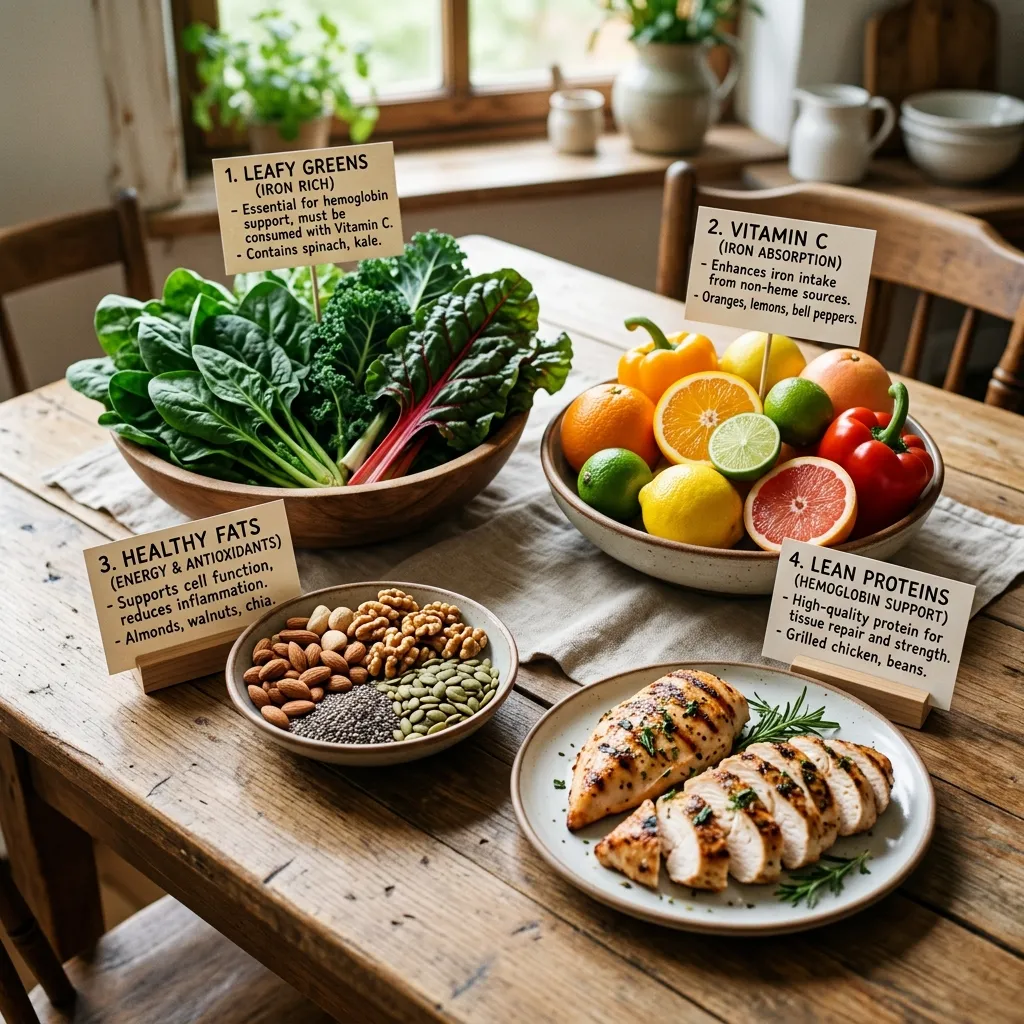
    Food categories that support thalassemia nutrition

    Grains and Legumes: Choosing the Right Carbohydrates

    Whole grains provide B vitamins, fiber, and minerals that support energy and digestion. However, because many commercial grain products are iron-fortified, choosing carefully matters.

    Choose these:

    • White rice, corn tortillas, and plain pasta (typically lower in iron than fortified alternatives)
    • Oats (naturally contain zinc and magnesium)
    • Quinoa (a complete protein with iron, but non-heme, which is less readily absorbed)

    Limit these:

    • Iron-enriched breakfast cereals and breads labeled “enriched” or “fortified”

    Legumes—lentils, chickpeas, and black beans—are valuable plant protein sources that also deliver folate and zinc. Soaking them overnight and cooking them thoroughly reduces both their phytate content and their overall iron bioavailability.

    Protein Sources: Balancing Needs Without Adding Excess Iron

    Protein supports tissue repair, immune function, and hemoglobin production. The challenge for thalassemia patients is that many high-protein foods also carry significant iron loads.

    Lean meats and poultry (in moderation):
    Skinless chicken breast and turkey are lower in iron than red meat and provide complete protein with zinc. A moderate portion of three to four ounces a few times per week is generally manageable for most patients, but individual limits vary based on ferritin levels and transfusion frequency.

    Plant-based protein alternatives:
    Tofu, tempeh, and edamame are excellent sources that carry non-heme iron—the type that the body absorbs less efficiently than the heme iron in meat. Pairing them with calcium-rich foods or tea further reduces absorption.

    Fish and omega-3 fatty acids:
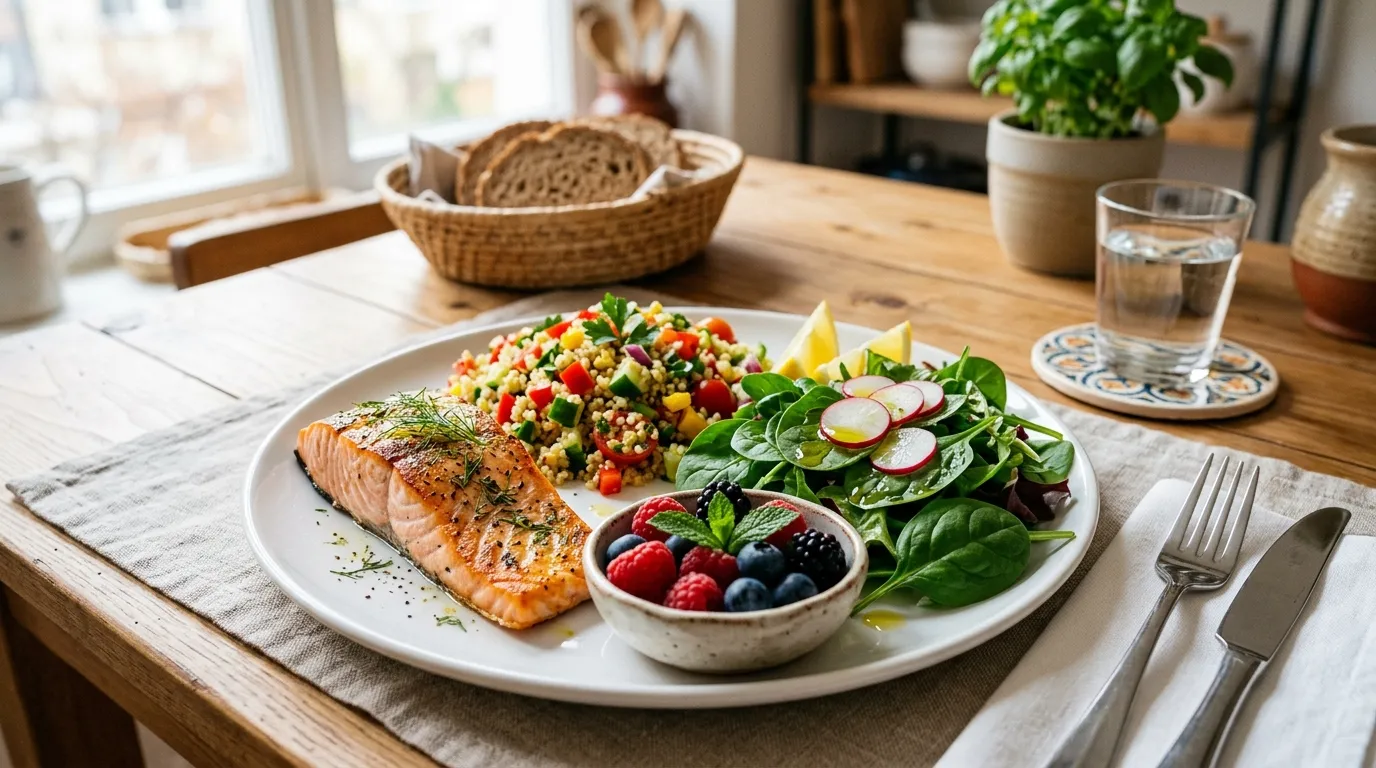
    White fish like cod, tilapia, and flounder are low in iron and rich in protein. Fatty fish like salmon and mackerel add omega-3 fatty acids, which support heart health—a priority given that iron overload can affect cardiac function. Aim for two to three servings of fish per week.

    Fats: Healthy Choices for Long-Term Health

    Healthy fats reduce inflammation, support hormone production, and help absorb fat-soluble vitamins like D and E.

    Best choices include:

    • Olive oil for cooking and dressing
    • Avocado on its own or blended into smoothies
    • Nuts in small, controlled portions

    Limit saturated and trans fats from processed foods, fried items, and fatty cuts of meat. These fats promote inflammation without providing meaningful nutritional benefits for thalassemia patients.

    Iron-Rich Foods for Anemia Patients vs. Iron Restriction in Thalassemia: An Important Distinction

    A common—and potentially dangerous—confusion arises here. Standard advice for iron-deficiency anemia tells patients to eat more iron rich foods for anemia patients: red meat, spinach, lentils, and fortified cereals. This advice is correct for iron-deficiency anemia, where the body truly lacks iron.

    Thalassemia is fundamentally different. Most thalassemia patients already have too much iron circulating in their bodies, especially those who receive regular transfusions. Giving these patients iron-rich foods—or worse, iron supplements—can accelerate iron overload and cause organ damage.

    The distinction is clear: iron-deficiency anemia requires more iron; most thalassemia patients require less.

    There is one exception. Some patients can have both thalassemia trait and true iron-deficiency anemia simultaneously. This can happen from blood loss, poor diet, or other causes. In these cases, a doctor will confirm iron deficiency through blood tests (ferritin, serum iron, TIBC) before recommending any supplementation. If you are unsure whether your anemia is iron-deficient, see our guide on the blood test differences between anemia and thalassemia.

    Foods to Avoid or Limit Strictly

    Understanding which foods to limit is just as important as knowing what to eat. For a detailed list of dietary restrictions and their clinical rationale, visit our dedicated guide on thalassemia diet foods to avoid.

    High-iron foods to limit:

    • Red meats: beef, lamb, and pork
    • Organ meats: liver and kidney are among the most iron-dense foods available
    • Shellfish: clams, oysters, and mussels
    • Iron-fortified cereals and breads

    Foods and substances that increase iron absorption:

    • Vitamin C consumed alongside iron-rich meals
    • Alcohol (also damages the liver, which is already vulnerable in thalassemia)

    Other foods to minimize:

    • Processed snack foods high in saturated fats and added sugars, which promote inflammation
    • Heavily salted foods, which strain the kidneys and cardiovascular system

    Thalassemia Diet Plan Foods: Sample Meal Plan
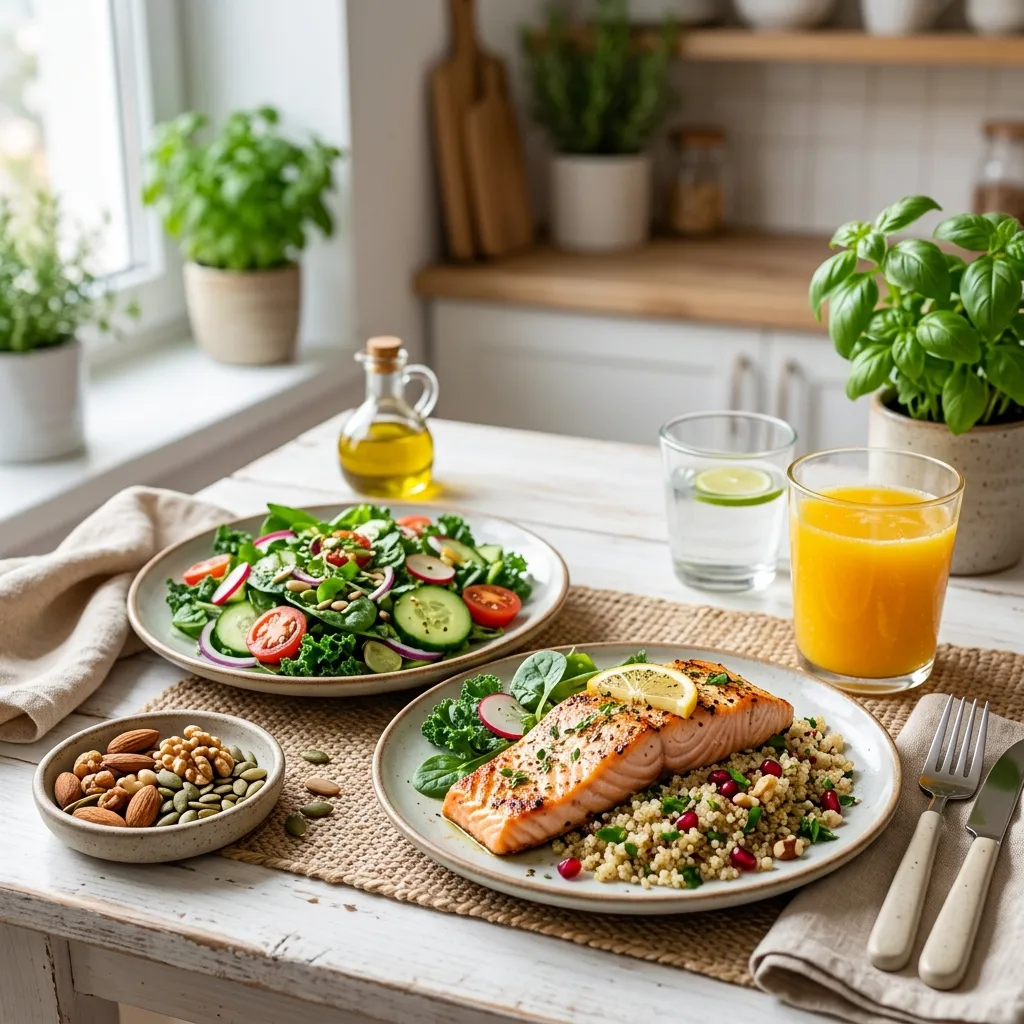
    Sample thalassemia diet meal planThe following sample meal plan provides a framework for a low-iron, nutrient-dense day. Individual adjustments are essential based on your ferritin levels, transfusion schedule, and specific nutritional deficiencies.

    Breakfast:
    Oatmeal made with fortified plant milk, topped with blueberries and a handful of walnuts. A cup of black or green tea with the meal to reduce iron absorption from the oats.

    Lunch:
    Grilled chicken breast on white rice with steamed bok choy, cucumber slices, and avocado. A small glass of milk or fortified plant milk on the side.

    Snack:
    Apple slices with a small portion of almond butter. Herbal tea or water.

    Dinner:
    Baked salmon with roasted sweet potato, steamed broccoli, and olive oil dressing. A glass of calcium-rich milk or yogurt as a side.

    Key meal prep tip: Cook in stainless steel or ceramic cookware. Acidic foods cooked in cast-iron pans can absorb significant amounts of iron from the cookware itself.

    Nutrition for Thalassemia Management: Beyond Food

    Good nutrition for thalassemia management extends beyond what is on the plate.

    Hydration: Staying well-hydrated supports circulation, kidney function, and the effectiveness of chelation therapy. Aim for eight glasses of water daily and increase intake during hot weather or illness.

    Meal timing and pairing: Eat iron-blocking foods—dairy, tea, coffee—alongside iron-containing meals. Keep vitamin C-rich foods for snacks between meals rather than with meals that include any iron sources.

    Regular monitoring: Ferritin levels, hemoglobin, and nutrient levels like zinc, vitamin D, and folate should be checked regularly. Diet adjustments should follow these results, not guesswork. For more on tracking your health between appointments, see our guide on how to monitor thalassemia at home.

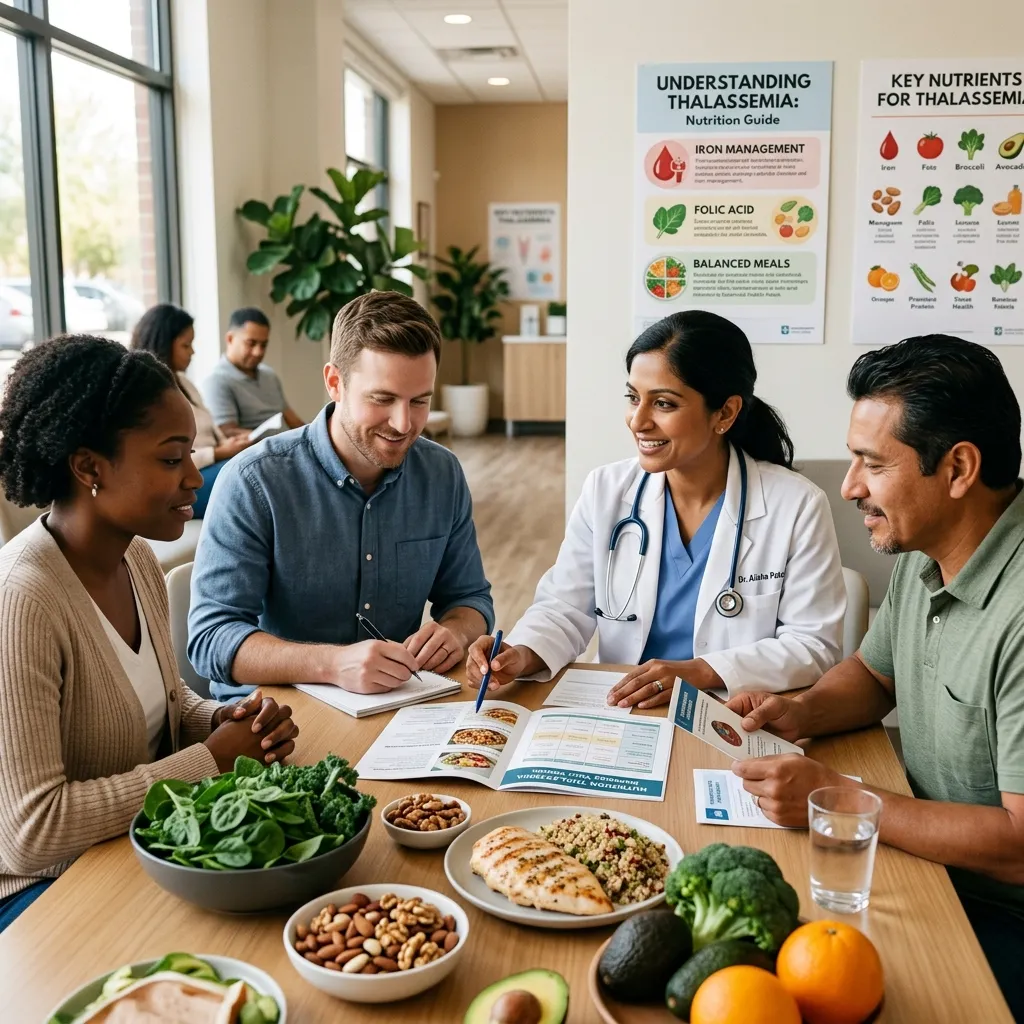
    Work with a registered dietitian: A dietitian who understands hemoglobin disorders can build a personalized plan that accounts for your transfusion frequency, chelation therapy, cultural food preferences, and current nutrient deficiencies.

    Exercise: Moderate, low-impact exercise improves circulation and bone density. Swimming, walking, and yoga are generally well-tolerated and support energy levels over time.

    Cooking Methods That Support Thalassemia Nutrition

    How you prepare food changes its nutritional profile.

    • Boiling or blanching iron-rich vegetables like spinach and then discarding the cooking water reduces their overall iron content.
    • Soaking legumes overnight and rinsing thoroughly before cooking lowers both phytate and iron levels.
    • Pairing calcium-rich foods (a glass of milk, yogurt) with meals that include any iron-containing ingredients slows absorption.
    • Switching cookware from cast iron to stainless steel or ceramic eliminates a hidden dietary iron source.
    • Steaming vegetables rather than boiling preserves more folate, zinc, and vitamin C.

    According to the World Health Organization (WHO), nutritional interventions in chronic inherited blood disorders should always be individualized and supervised by healthcare professionals.

    A Smarter Approach to Eating With Thalassemia
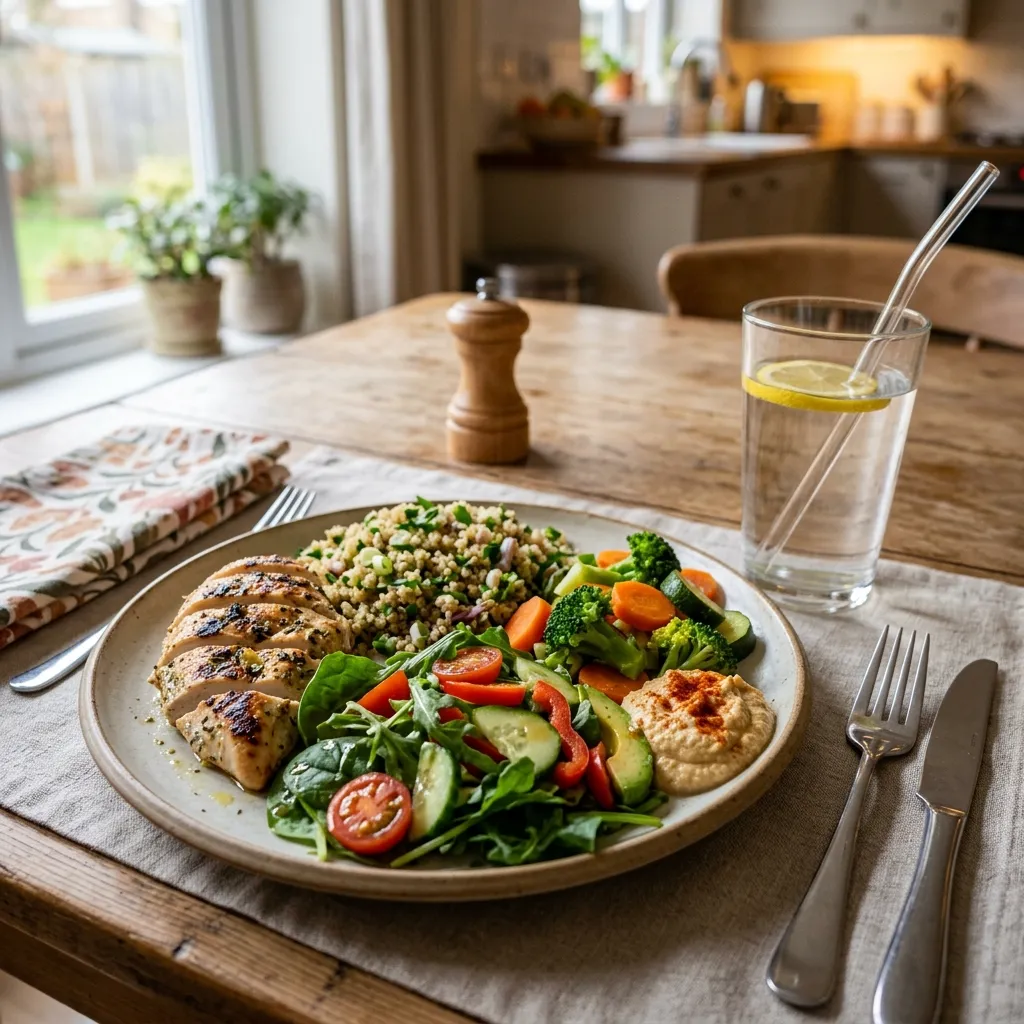
    Healthy eating approach for thalassemia patients

    Eating well with thalassemia is not about following a rigid elimination diet. The best foods for thalassemia patients are those that deliver folic acid, calcium, vitamin D, antioxidants, and zinc—while minimizing heme iron and avoiding practices that accelerate iron absorption.

    Small, consistent choices matter most. Swap iron-fortified cereal for plain oatmeal with tea. Reach for white fish instead of red meat. Add a glass of milk to a meal that includes legumes. These adjustments are manageable, and over time they support your treatment, protect your organs, and improve your energy.

    For a comprehensive foundation of daily thalassemia self-care, including lifestyle, medication adherence, and emotional well-being, explore our living well with thalassemia guide.

    Conclusion

    The best foods for thalassemia patients are those that support red blood cell production, protect bones, fight oxidative stress, and minimize new iron intake. A well-planned diet based on Thalassemia Diet Plan Foods—rich in folic acid, calcium, vitamin D, antioxidants, and zinc—works as a daily partner to your medical treatment. Effective Nutrition For Thalassemia Management can help improve energy levels, support immunity, and reduce the risk of nutrition-related complications. Always discuss dietary changes with your healthcare team, monitor your nutrient levels regularly, and remember that individualized advice from a registered dietitian is the safest and most effective approach to long-term Nutrition For Thalassemia Management.

    Frequently Asked Questions (FAQ)

    1. What are the best foods for thalassemia patients to eat every day?

    The best foods for thalassemia patients are those rich in folic acid, calcium, vitamin D, antioxidants, and zinc—while being low in heme iron. Good daily choices include low-iron fruits like apples and berries, dairy products, skinless poultry, white fish, eggs, and plain grains like white rice and oats. These foods support red blood cell production and bone health without worsening iron overload and are important components of Thalassemia Diet Plan Foods.

    2. Can thalassemia patients eat spinach and other leafy greens?

    Yes, in moderation. Spinach and other leafy greens contain non-heme iron, which the body absorbs less efficiently than the heme iron in meat. Pairing these foods with iron-blocking agents like milk or tea further reduces absorption. Leafy greens are also valuable sources of folic acid and support overall Nutrition For Thalassemia Management.

    3. Should thalassemia patients avoid all iron-rich foods?

    Not entirely. The goal is to limit high-heme-iron foods—red meat, organ meats, and shellfish—and iron-fortified processed products. Lower-iron plant foods can remain in the diet in moderate portions. Individual iron limits should be guided by regular ferritin testing and advice from a hematologist or dietitian when developing personalized Thalassemia Diet Plan Foods.

    4. Why is iron supplementation generally avoided in thalassemia?

    Most thalassemia patients already accumulate excess iron due to blood transfusions and increased intestinal absorption. Adding iron supplements to a system already dealing with iron overload can accelerate organ damage in the heart, liver, and endocrine glands. Iron supplements should only be taken if a confirmed iron deficiency is diagnosed through blood tests.

    5. What role does folic acid play in thalassemia nutrition?

    Folic acid is critical for thalassemia patients because the rapid turnover of red blood cells consumes folate quickly. Deficiency worsens anemia. Good dietary sources include dark leafy greens, lentils, broccoli, avocado, and eggs. Many thalassemia patients also benefit from folic acid supplementation under medical supervision as part of proper Nutrition For Thalassemia Management.

    6. Are dairy products safe for thalassemia patients?

    Yes. Dairy products—milk, yogurt, and cheese—are excellent choices for thalassemia patients. They are low in iron, rich in calcium and vitamin D, and actually help slow iron absorption from other foods when eaten together. They are a core component of most Thalassemia Diet Plan Foods recommendations.

    7. What is the difference between Iron Rich Foods For Anemia Patients and thalassemia dietary needs?

    Iron Rich Foods For Anemia Patients are often recommended for people with iron-deficiency anemia and include foods such as red meat, fortified cereals, and liver. Thalassemia patients, however, often need to limit these foods because their bodies can accumulate excess iron. These are fundamentally different nutritional approaches.

    8. How does vitamin C affect iron absorption in thalassemia?

    Vitamin C significantly enhances iron absorption. Thalassemia patients should avoid eating vitamin C-rich foods—citrus fruits, bell peppers, tomatoes—at the same time as iron-containing foods. Instead, saving vitamin C foods for between-meal snacks supports balanced Nutrition For Thalassemia Management while still providing antioxidant benefits.

    9. What cooking methods help reduce iron intake for thalassemia patients?

    Boiling vegetables and discarding the water reduces their iron content. Soaking legumes overnight lowers phytate and iron levels. Switching from cast-iron to stainless steel or ceramic cookware eliminates hidden iron leaching. Drinking tea or milk with meals also naturally slows iron absorption and supports a safer Thalassemia Diet Plan Foods strategy.

    10. Should thalassemia patients take vitamin and mineral supplements?

    Supplementation should be guided by regular blood tests. Many thalassemia patients need folic acid and vitamin D supplements. Zinc levels should also be monitored, as chelation therapy can deplete this mineral. Iron supplements should be avoided unless a confirmed deficiency is diagnosed. A registered dietitian working alongside a hematologist can develop the most effective Nutrition for Thalassemia Management plan for individual needs.

    Blood Disorder Management Folic Acid Iron Overload Thalassemia Diet thalassemia nutrition
    Share. Facebook Twitter Pinterest LinkedIn Tumblr Telegram Email
    Sammy Willms
    Sammy Willms
    • Website

    Sammy Willms is an editor at ThalassemiaCareHub, focused on creating and refining content around health awareness, thalassemia education, and medical information. He simplifies complex healthcare and scientific concepts into clear, practical insights that help readers better understand blood disorders, treatment options, and modern approaches to patient care with ease.

    Related Posts

    Yoga for Thalassemia Patients: Move Better, Feel Better

    June 30, 2026

    Safe Exercise for Anemia Patients: A Complete Guide

    June 28, 2026

    Micronutrients for Blood Health: The Complete Guide

    June 27, 2026
    Leave A Reply Cancel Reply

    Top Posts

    Holistic Strategies for Thriving with Thalassemia

    May 14, 202616

    Nutritional Strategies for Thalassemia: A Guide to Better Health

    May 18, 20269

    Hemoglobin Electrophoresis Explained: A Complete Guide

    June 7, 20268

    Ultimate Guide to Diet & Wellness for Thalassemia Management

    May 16, 20268
    Don't Miss
    Thalassemia Awareness

    Yoga for Thalassemia Patients: Move Better, Feel Better

    By Sammy WillmsJune 30, 20261

    Yoga for thalassemia patients reduces stress, improves circulation, and supports liver health. Combined with exercise…

    Safe Exercise for Anemia Patients: A Complete Guide

    June 28, 2026

    Micronutrients for Blood Health: The Complete Guide

    June 27, 2026

    Vitamin Deficiency Anemia Causes: A Complete Guide

    June 25, 2026
    Stay In Touch
    • Facebook
    • Twitter
    • Pinterest
    • Instagram
    • YouTube
    • Vimeo
    © 2026 Thalassemiacarehub. All Rights Reserved.
    • About us
    • Contact us
    • Privacy Policy
    • Terms & Conditions

    Type above and press Enter to search. Press Esc to cancel.