


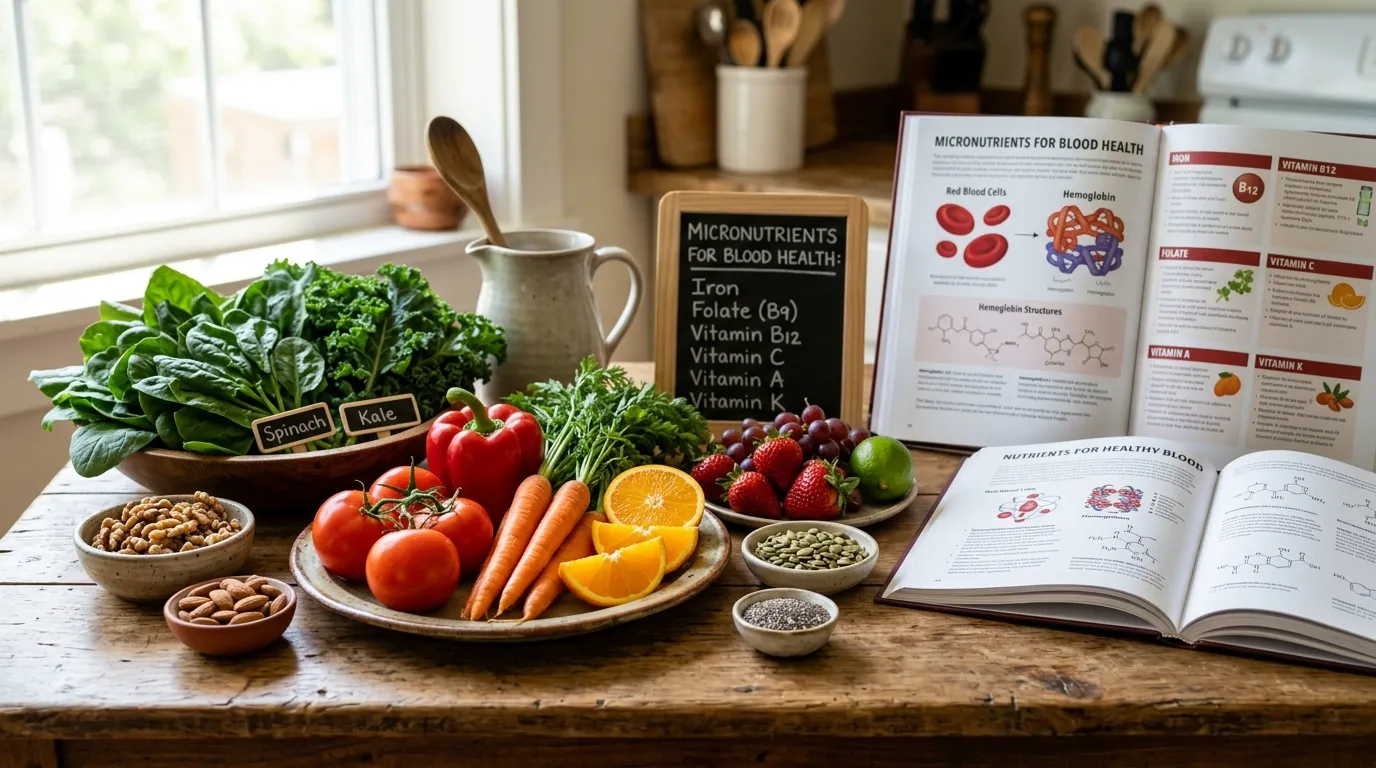
Learn how micronutrients for blood health support red blood cell production, oxygen transport, and overall well-being. Discover the essential vitamins and minerals, their benefits, food sources, deficiency signs, and practical tips for maintaining healthy blood naturally.
Micronutrients for blood health include iron, folate, vitamin B12, copper, vitamin C, and zinc. These essential nutrients for blood health support red blood cell production, oxygen transport, and clotting, helping prevent anemia and keep your blood working at its best.
Your blood is in constant motion, quietly carrying oxygen, fighting infection, and sealing wounds—every second of every day. Behind this nonstop work sits a small but mighty group of nutrients that most people rarely think about. Without them, the whole system falters.
Micronutrients for blood health are the vitamins and minerals your body needs in small amounts to build healthy blood. When they run short, fatigue, weakness, and anemia often follow. The good news? A balanced, nutrient-rich diet can provide most of the vitamins and minerals your body needs to maintain healthy blood and overall wellness.
These nutrients work together rather than independently. For example, vitamin C helps the body absorb iron more efficiently, while folate and vitamin B12 are essential for producing healthy red blood cells and supporting normal DNA synthesis. Copper and zinc also play important roles in iron metabolism, immune function, and maintaining healthy blood cell development. Even a mild deficiency in one of these nutrients can affect blood formation and reduce the body’s ability to transport oxygen effectively.
Although diet is the primary source of these nutrients, certain health conditions, medications, pregnancy, aging, or restrictive eating patterns can increase the risk of deficiencies. Recognizing the early warning signs and making informed dietary choices can help prevent nutritional anemia and support long-term health.
This guide breaks down the most important vitamins for healthy blood, the key minerals for red blood cell production, and the essential nutrients for blood health that work together behind the scenes. You’ll learn what each nutrient does, where to find it, common deficiency symptoms, and practical ways to build meals that support strong, healthy blood for every stage of life.
What Are the Building Blocks of Healthy Blood?
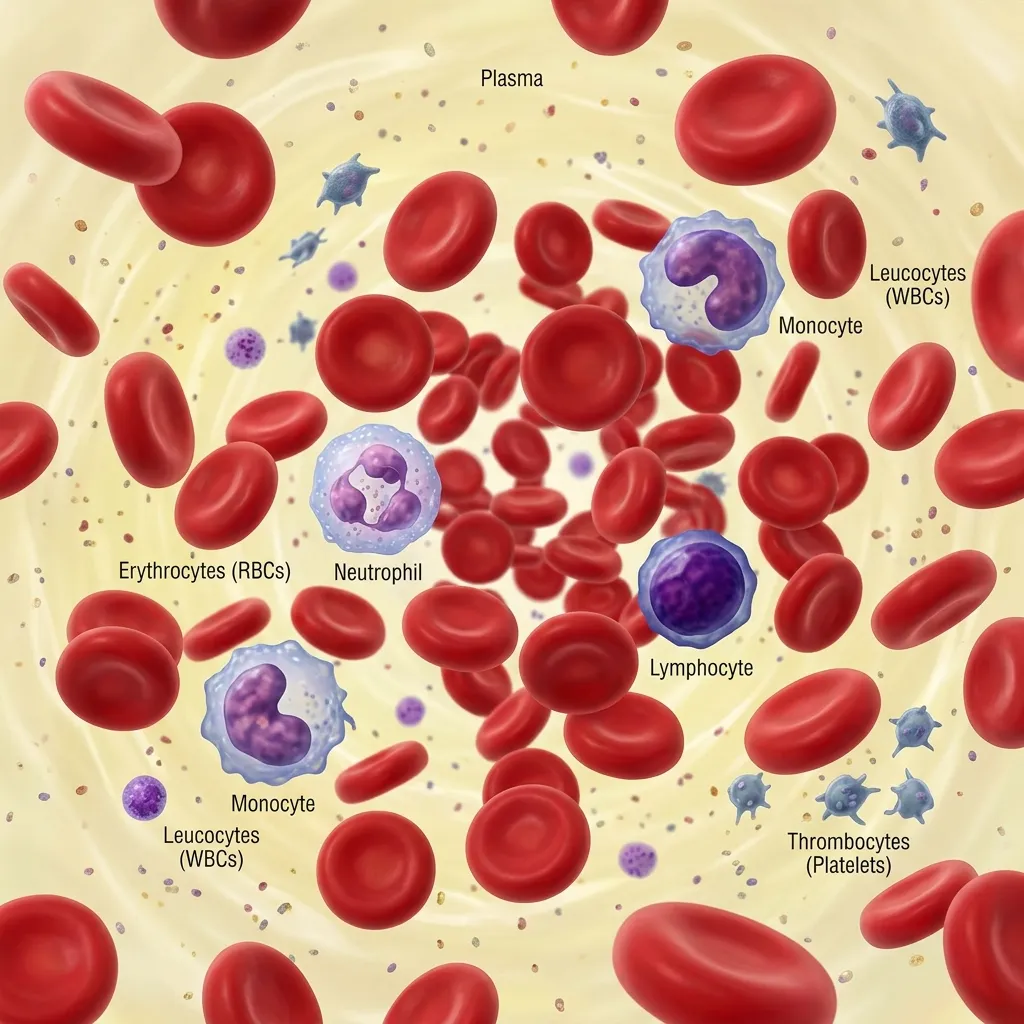 Blood is far more than a red liquid. It’s a living tissue made of four main components, each with its own essential role—and each one depends on micronutrients for blood health to function properly. Together, these components transport oxygen, fight infections, remove waste products, regulate body temperature, and protect the body from excessive bleeding. When key vitamins and minerals are lacking, one or more of these functions can become less efficient, affecting overall health.
What Are the Four Main Components of Blood?
Red blood cells (RBCs):
These oxygen carriers contain hemoglobin, an iron-rich protein that transports oxygen from the lungs to every tissue in the body while carrying carbon dioxide back to the lungs for removal. Healthy red blood cell production depends on adequate supplies of iron, folate, vitamin B12, vitamin B6, and copper.
White blood cells (WBCs):
As the body’s immune defenders, white blood cells identify and destroy bacteria, viruses, fungi, and other harmful microorganisms. They also help coordinate immune responses and support recovery from illness or injury. Nutrients such as zinc, vitamins A, C, D, E, selenium, and folate are important for maintaining healthy immune cell function.
Platelets:
Platelets are tiny cell fragments that respond quickly to blood vessel injury. They clump together to form a clot, helping stop bleeding and supporting wound healing. Their normal function depends on nutrients involved in clotting, including vitamin K, vitamin C, and adequate protein intake.
Plasma:
Plasma is the straw-colored liquid that makes up more than half of your blood volume. It transports blood cells, nutrients, hormones, electrolytes, antibodies, and waste products throughout the body while helping regulate blood pressure, hydration, and body temperature.
How Do Micronutrients Affect Each Blood Component?
Every blood component relies on specific essential nutrients for blood health to perform its job efficiently. Iron, folate, vitamin B12, and copper are crucial for producing healthy red blood cells and maintaining normal hemoglobin levels. Vitamin C enhances iron absorption, making it easier for the body to build red blood cells.
White blood cells require nutrients such as zinc, vitamins A, C, D, E, and selenium to support immune function and protect the body against infections. Platelets depend on vitamin K for normal blood clotting, while vitamin C helps strengthen blood vessels and supports tissue repair after injury.
These nutrients do not work in isolation—they interact to support every stage of blood cell development, oxygen transport, immune defense, and clot formation. Even a mild deficiency can reduce blood cell production, weaken immunity, delay healing, or contribute to anemia. Maintaining a balanced diet rich in micronutrients for blood health helps ensure that every component of your blood functions effectively, supporting overall health and well-being.
Which Micronutrients Are Essential for Red Blood Cell Production?
Red blood cells turn over constantly, with your body producing millions every second. That relentless pace demands a steady supply of several key nutrients.
Why Is Iron the Cornerstone of Hemoglobin?
Iron sits at the center of every hemoglobin molecule—the protein that binds and carries oxygen. Without enough iron, your body cannot make enough hemoglobin, and iron deficiency anemia follows. This is why iron tops the list of essential nutrients for blood health.
There are two types of dietary iron, and they behave differently:
- Heme iron comes from animal foods like red meat, poultry, and fish. Your body absorbs it easily.
- Non-heme iron comes from plants like beans, lentils, and leafy greens. It’s harder to absorb, so pairing it smartly matters.
Best food sources of iron include:
- Red meat, liver, and poultry
- Lentils, chickpeas, and beans
- Spinach, kale, and other leafy greens
- Fortified cereals, pumpkin seeds, and tofu
One important factor is absorption. Vitamin C dramatically boosts how much non-heme iron your body takes in. On the other hand, tannins in tea and coffee, calcium in dairy, and phytates in grains can block it. Timing your meals around these factors makes a real difference. For a deeper look at building iron into your diet, see our guide on foods to increase hemoglobin.
How Does Folate Support Cell Division?
Folate, also known as vitamin B9, drives DNA synthesis and cell division. Because red blood cells multiply so rapidly, folate is one of the most important vitamins for healthy blood. A shortage leads to megaloblastic anemia, where the bone marrow produces large, immature cells that cannot function properly.
Folate is especially critical during pregnancy, when it supports rapid fetal growth and helps prevent neural tube defects. Good food sources include dark leafy greens, lentils, asparagus, broccoli, avocado, and fortified grains.
Why Do Red Blood Cells Need Vitamin B12?
Vitamin B12 works hand in hand with folate to mature red blood cells. It also protects the nervous system by maintaining the myelin sheath around your nerves. When B12 runs low, you face two problems at once: vitamin B12 deficiency anemia and neurological symptoms like numbness, tingling, and balance issues.
Because vitamin B12 comes almost exclusively from animal products—meat, eggs, dairy, and fish—vegans and vegetarians face a higher risk of deficiency. Fortified foods and supplements help fill the gap. Absorption can also be an issue, especially with conditions like pernicious anemia, where the body lacks the intrinsic factor needed to absorb B12. To learn more about how these shortfalls develop, read our guide on vitamin deficiency anemia causes.
What Role Does Copper Play in Blood Health?
Copper is an often-overlooked helper among the minerals for red blood cell production. It helps your body absorb and use iron effectively. Without enough copper, iron simply cannot do its job, no matter how much you consume. You’ll find copper in nuts, seeds, shellfish, and whole grains.
Which Vitamins Support Healthy Blood Beyond Red Blood Cells?
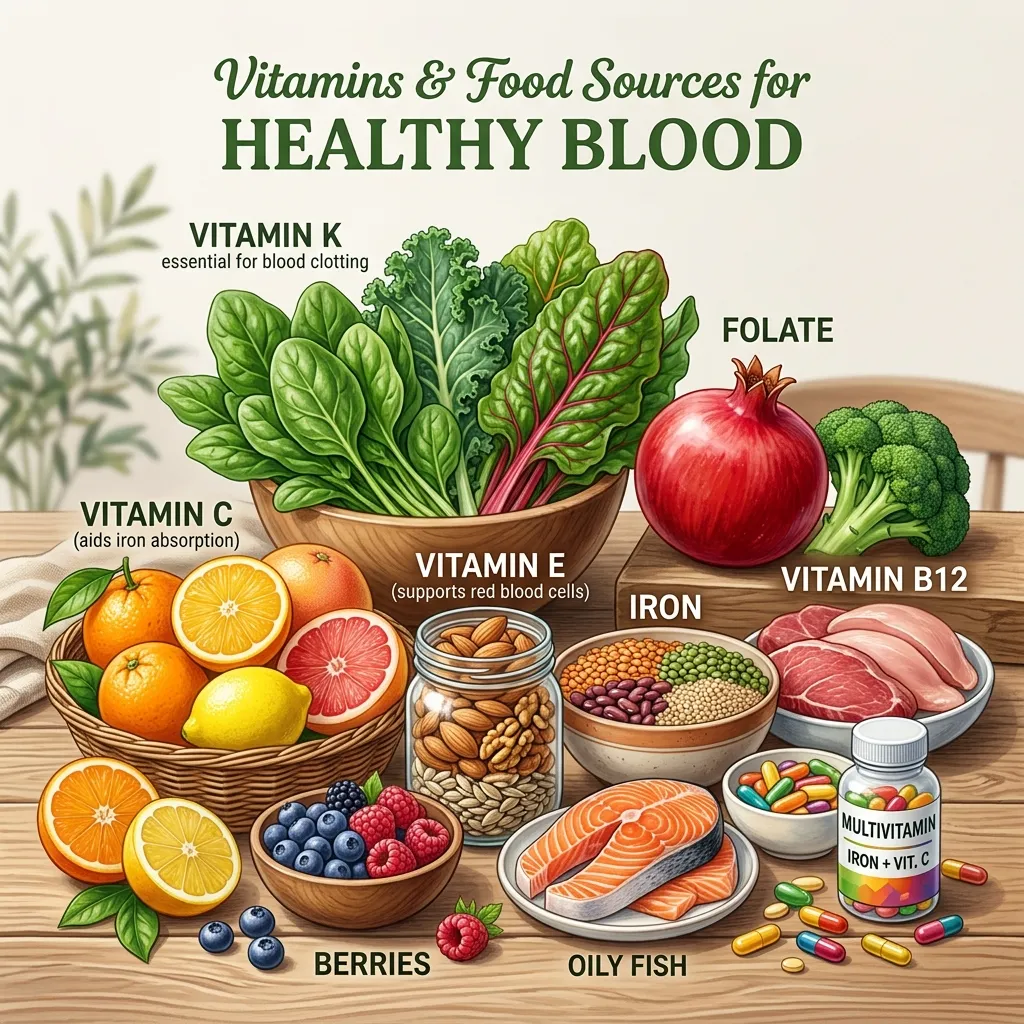 Red blood cells get most of the attention, but several vitamins for healthy blood support immunity, protect cells from damage, and keep clotting on track.
How Does Vitamin C Boost Iron Absorption?
Vitamin C is the single most effective way to improve non-heme iron absorption. It converts iron into a form your body takes up more easily, sometimes multiplying absorption several times over. A simple squeeze of lemon over a lentil salad can make a measurable difference.
Beyond iron, vitamin C acts as a powerful antioxidant, protecting cells from damage. Find it in citrus fruits, bell peppers, strawberries, broccoli, and tomatoes.
Why Is Vitamin A Important for Blood?
Vitamin A supports cell differentiation, the process that helps stem cells mature into functional red blood cells. It also strengthens immune function. Good sources include sweet potatoes, carrots, leafy greens, and liver.
How Does Vitamin E Protect Blood Cells?
Vitamin E is a powerful antioxidant that shields red blood cell membranes from oxidative damage. This protection helps cells survive longer and function better. You’ll find vitamin E in almonds, sunflower seeds, spinach, and olive oil.
What Does Vitamin K Do for Clotting?
Vitamin K is the conductor of the clotting cascade. Without it, your blood cannot form clots properly, leaving you vulnerable to excessive bleeding. There are two main types: vitamin K1, found in leafy greens like kale and spinach, and vitamin K2, found in fermented foods and some animal products.
Which Minerals Support Red Blood Cell Production and Blood Health?
Minerals do quiet, essential work in your blood. These three deserve a place in any list of essential nutrients for blood health.
How Does Zinc Support Blood and Immunity?
Zinc powers hundreds of enzymes involved in cell growth and immune defense. It supports white blood cell function and helps the body fight infection. Solid food sources include lean poultry, pumpkin seeds, oats, quinoa, and well-cooked beans.
Why Is Selenium Important for Blood Cells?
Selenium is part of your antioxidant defense system, protecting blood cells from oxidative stress. This is especially important in conditions where cells break down rapidly. Brazil nuts, fish, eggs, and whole grains are reliable sources.
What Role Does Manganese Play?
Manganese supports several enzyme systems, including those involved in antioxidant defense and connective tissue formation. Whole grains, nuts, leafy greens, and tea all supply this trace mineral.
How Do Micronutrients Prevent Anemia?
Anemia happens when your blood lacks enough healthy red blood cells or hemoglobin to carry adequate oxygen. According to the World Health Organization, anemia affects roughly 1.92 billion people worldwide, making it one of the most common health conditions on the planet.
Different nutrient shortfalls cause different types of anemia:
- Iron deficiency anemia results from too little iron and is the most common type worldwide.
- Megaloblastic anemia stems from low folate or vitamin B12, producing large, dysfunctional red blood cells.
- Anemia linked to copper deficiency can occur when low copper impairs iron use.
The takeaway is clear: balanced intake of the right vitamins for healthy blood and minerals for red blood cell production is your best defense against most nutritional anemias. No single nutrient works alone—they form a team. For help spotting the early warning signs, our guide on vitamin deficiency anemia causes walks through the symptoms to watch for.
What Dietary Strategies Support Optimal Blood Health?
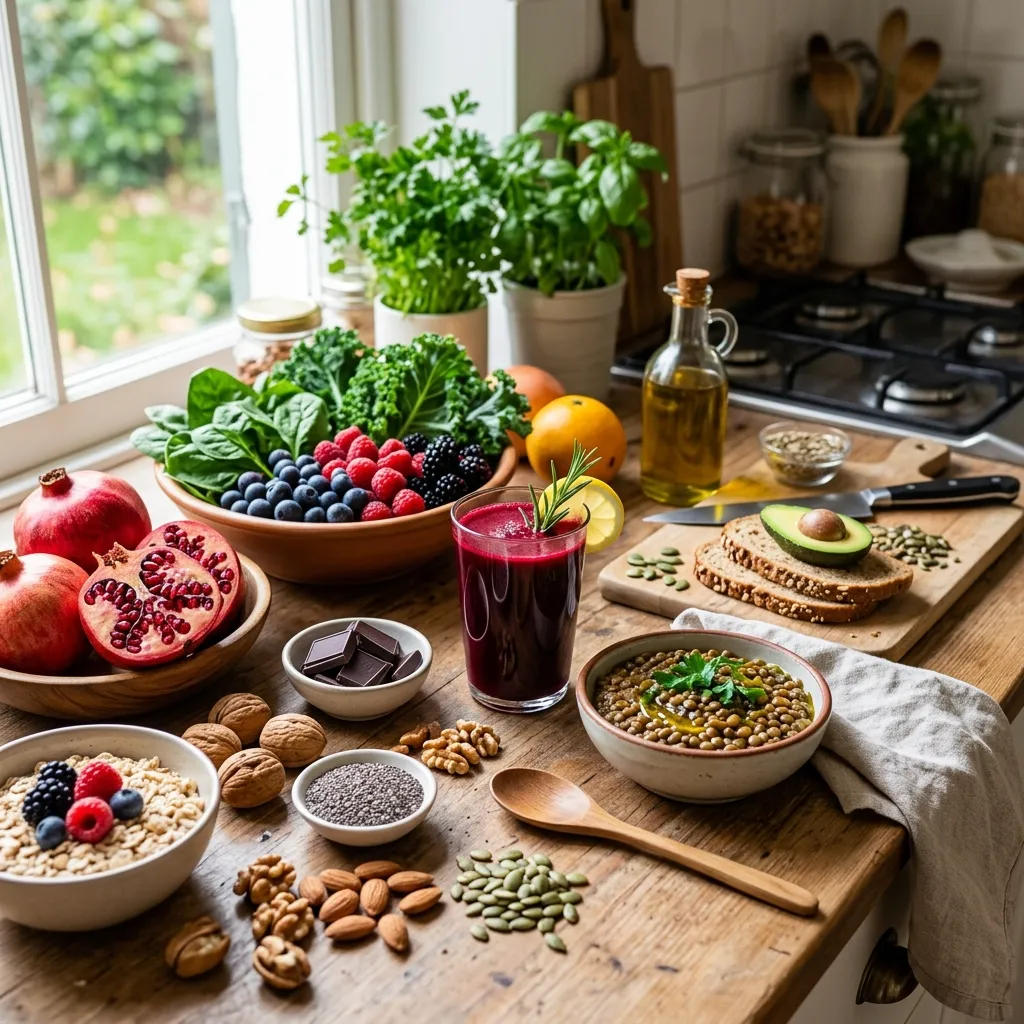 Knowing the nutrients is one thing. Putting them on your plate is another. Here’s how to turn this knowledge into real meals.
Why Is a Balanced Diet the Foundation?
No supplement can replace a varied, whole-food diet. Eating a wide range of colorful fruits, vegetables, lean proteins, legumes, and whole grains naturally delivers most of the micronutrients for blood health your body needs. Variety is the simplest insurance against deficiency.
Which Food Groups Should You Prioritize?
- Lean proteins and legumes: for iron, B12, zinc, and protein
- Dark leafy greens: for folate, iron, vitamin A, and vitamin K
- Citrus fruits and berries: for vitamin C to boost iron absorption
- Nuts and seeds: for copper, vitamin E, zinc, and manganese
- Whole grains: for folate, selenium, and trace minerals
How Do You Combine Foods to Maximize Absorption?
Three simple habits make a real difference:
- Pair non-heme iron with a vitamin C source at the same meal.
- Save tea and coffee for between meals, not with them.
- Keep calcium-rich dairy separate from your main iron-rich meals.
A balanced diet supports more than just your blood—it fuels your energy too. If low blood levels leave you drained, our fatigue management in anemia guide offers practical strategies to protect your energy.
Conclusion
Healthy blood is a team effort. Iron, folate, vitamin B12, copper, vitamin C, vitamin K, zinc, and a handful of other micronutrients for blood health each play a role you cannot afford to ignore. When they work together, your blood carries oxygen efficiently, defends against infection, and heals wounds without missing a beat.
Start small this week. Add a citrus fruit to your iron-rich lunch, swap a refined grain for a whole one, or include a handful of nuts as an afternoon snack. These minor changes compound over time into meaningful improvements in your blood health and energy.
One final reminder: nutritional needs vary from person to person. If you suspect a deficiency, feel persistently tired, or live with a blood disorder, talk to your healthcare provider before making major changes. For trusted, accessible health information, the Centers for Disease Control and Prevention offers reliable resources worth bookmarking.
Frequently Asked Questions
1. What are the most important micronutrients for blood health?
The most important micronutrients for blood health are iron, folate, vitamin B12, and copper for red blood cell production, plus vitamin C for iron absorption, vitamin K for clotting, and zinc and selenium for immune support and antioxidant defense. Together, these essential nutrients for blood health keep your blood working properly.
2. Which vitamins are best for healthy blood?
The best vitamins for healthy blood are vitamin B12 and folate, which build red blood cells, and vitamin C, which boosts iron absorption. Vitamin K supports clotting, vitamin A aids cell development, and vitamin E protects blood cells from damage. A varied diet usually supplies all of these.
3. What minerals are needed for red blood cell production?
The key minerals for red blood cell production are iron, which forms hemoglobin, and copper, which helps the body use iron. Zinc, selenium, and manganese support immune function and antioxidant defense. Getting enough of these minerals through diet helps prevent anemia and supports healthy blood.
4. Can diet alone provide enough micronutrients for blood health?
For most healthy people, a balanced and varied diet provides enough micronutrients for blood health. However, vegans, pregnant women, older adults, and people with absorption issues may need supplements. Always confirm with a doctor before supplementing, since too much of certain nutrients—like iron—can be harmful.
5. How does vitamin C improve iron absorption?
Vitamin C converts non-heme iron from plant foods into a form your body absorbs more easily, sometimes increasing absorption several times over. Eating vitamin C foods like oranges, bell peppers, or strawberries alongside iron-rich meals is one of the simplest ways to boost your iron intake naturally.
6. What happens when you lack essential nutrients for blood health?
A shortage of essential nutrients for blood health usually leads to anemia, causing fatigue, weakness, pale skin, and shortness of breath. Low B12 can also cause numbness and tingling, while low vitamin K can lead to easy bruising and bleeding. Symptoms often develop gradually.
7. Are micronutrient needs different for people with thalassemia?
Yes. People with thalassemia often accumulate too much iron and should not load up on iron-rich foods or supplements. They typically need extra folate and careful nutritional management instead. If you have thalassemia, always work with a hematologist before changing your diet or taking any supplements.
8. Which foods are richest in blood-building micronutrients?
Leafy greens, lentils, lean meats, fortified cereals, nuts, seeds, citrus fruits, and shellfish are among the richest sources of blood-building micronutrients. Combining iron-rich foods with vitamin C foods maximizes absorption, while a varied diet covers the broader range of vitamins and minerals your blood needs.
9. How long does it take to correct a micronutrient deficiency?
Many people feel more energetic within a few weeks of correcting a deficiency, but fully rebuilding nutrient stores can take two to three months. Neurological symptoms from B12 deficiency may take longer and, if severe, may not fully reverse. Consistency and medical guidance matter.
10. Who is most at risk of micronutrient deficiencies affecting blood?
Those most at risk include vegans and vegetarians, pregnant women, older adults, people with digestive disorders like celiac or Crohn’s disease, and anyone taking medications that block nutrient absorption. These groups should pay close attention to their intake of essential nutrients for blood health.
