

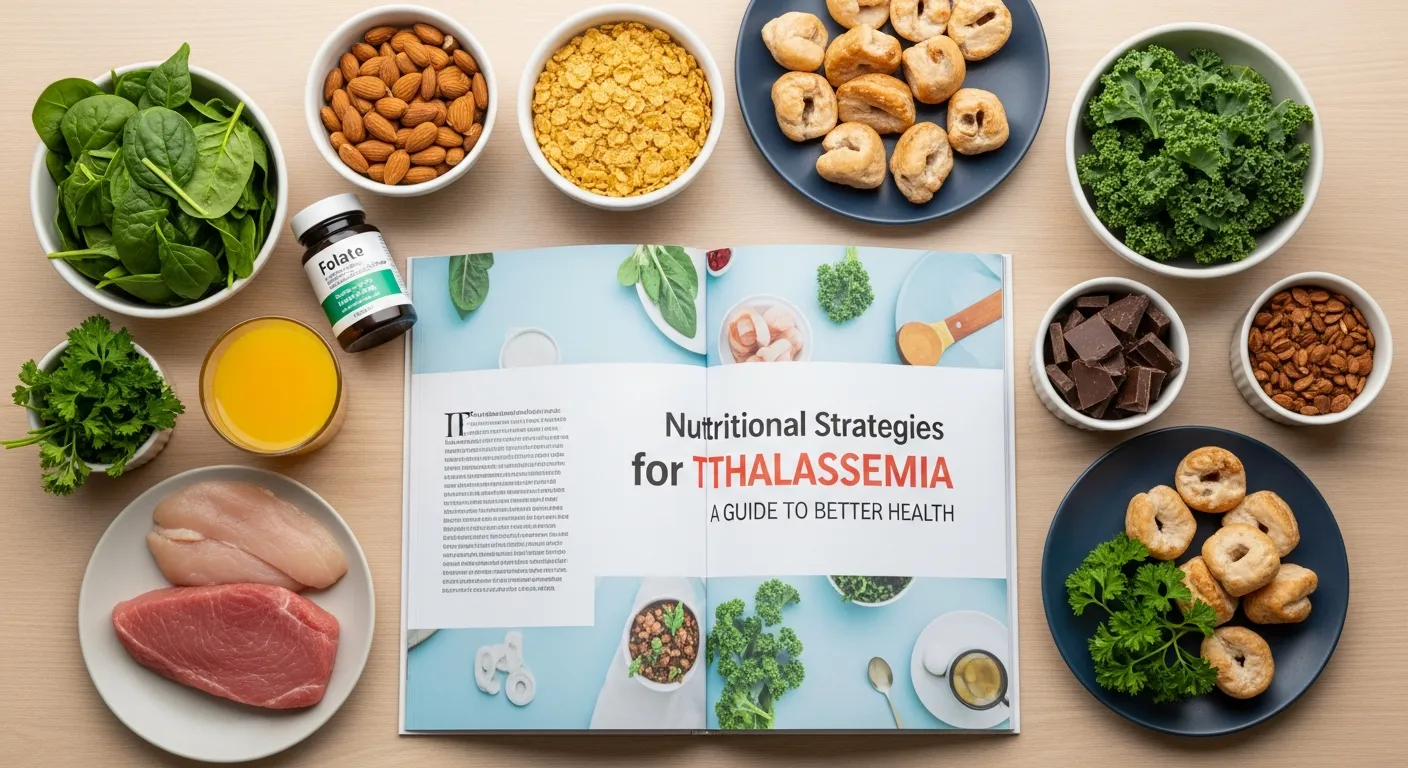
Nutritional strategies for thalassemia focus on maintaining a balanced diet that supports blood health while carefully managing iron intake. Patients are often advised to avoid excess iron-rich foods, include folic acid and essential vitamins, and follow a well-planned diet to support red blood cell production and overall well-being. Proper nutrition plays a key role in improving energy levels and supporting medical treatment outcomes for thalassemia patients.

Micronutrients act as the spark plugs for your body’s cellular machinery. In the context of Nutritional Strategies for Thalassemia, paying close attention to specific vitamins and minerals is where dietary planning becomes highly specialized.
Iron Overload Management: Foods to Avoid and Dietary Considerations
Iron management is the most complex and critical aspect of eating well with this condition. While iron is necessary for blood production, patients receiving frequent blood transfusions face a high risk of iron overload. The human body cannot naturally excrete excess iron efficiently, causing it to accumulate in the heart, liver, and endocrine glands. Over time, this buildup can lead to life-threatening complications.
If you are at risk for iron overload, strictly limit foods high in heme iron. Heme iron is easily absorbed by the body and is found in red meats like beef, lamb, and organ meats such as liver. You should also avoid heavily fortified breakfast cereals and iron-enriched breads. Drinking black tea or green tea during meals is a highly effective strategy, as the natural tannins in the tea block iron absorption in the digestive tract. Always consult resources like the CDC’s thalassemia guidelines and your hematologist to align your diet with your specific transfusion schedule.
Folic Acid and Vitamin B: Importance and Sources
Folic acid, or Vitamin B9, is a non-negotiable component of Nutritional Strategies for Thalassemia. Your bone marrow requires folate to manufacture new red blood cells. Since the condition causes rapid cell turnover, your folate requirement is significantly higher than that of the average person.
Load your plate with dark, leafy greens such as spinach, kale, and Swiss chard. Lentils, black beans, and chickpeas are also fantastic natural sources. Vitamin B12 works closely with folate to maintain healthy nerve function and support red blood cell maturation. You can find Vitamin B12 in fish, poultry, eggs, and fortified plant-based milk alternatives.
Vitamin D and Calcium: Bone Health in Thalassemia
Bone marrow expansion is a common physical complication of this blood disorder, making bones brittle and more prone to fractures over time. Protecting your skeletal structure requires a combination of Vitamin D and Calcium.
Calcium directly builds bone density, while Vitamin D acts as the key that allows your body to absorb that calcium. Since dairy products can inhibit the absorption of dietary iron, incorporating milk or cheese into your meals serves a dual purpose: building bone strength and safely managing iron uptake. If you avoid dairy, look for calcium-fortified orange juice or almond milk, and try to get moderate, safe sun exposure to boost your natural Vitamin D levels.
Zinc and Other Trace Elements
Chronic illness and ongoing chelation therapy can deplete your body’s zinc reserves. Zinc is necessary for wound healing, strong immune defense, and DNA synthesis. Including zinc-rich foods like roasted pumpkin seeds, chickpeas, and cashews helps replenish these critical stores. Selenium is another trace element that acts as a powerful antioxidant, protecting your cells from oxidative stress. You can easily meet your selenium needs by eating just one or two Brazil nuts a day.
Hydration and Fluid Balance
 Water is the unsung hero of any wellness routine. Proper hydration is essential for maintaining healthy circulation and optimal blood viscosity, ensuring that oxygen and nutrients are efficiently delivered throughout your body.
Importance of Adequate Fluid Intake
Proper hydration helps your kidneys flush out the toxins targeted by your medications and chelation therapy. Dehydration can quickly worsen feelings of fatigue, trigger headaches, and cause dizziness—symptoms that individuals with low oxygen levels already struggle to manage. Aim to drink at least eight large glasses of water every day. Increase this amount during hot weather, illness, or periods of physical activity.
Electrolyte Balance Considerations
When you increase your fluid intake, you must also consider electrolyte balance. Electrolytes like sodium, potassium, and magnesium help regulate nerve and muscle function. Coconut water, bananas, and naturally watery fruits like watermelon and cucumber are excellent ways to hydrate while replenishing these vital minerals without resorting to sugary sports drinks.
Meal Planning and Dietary Guidelines
Translating nutritional knowledge into daily practice requires consistent meal planning. Organizing your kitchen habits reduces stress and ensures you stick to your long-term wellness goals.
Balanced Meal Ideas and Portion Control
Use the visual “plate method” to structure your meals. Fill half your plate with colorful vegetables. Fill one-quarter with a lean, iron-conscious protein. Fill the remaining quarter with a complex carbohydrate. This visual cue guarantees a balanced intake of macronutrients without the need for strict calorie counting. For more detailed strategies on building a supportive diet, explore our guide on Thalassemia Diet and Wellness.
Special Considerations for Different Age Groups
Nutritional Strategies for Thalassemia must adapt as a patient grows. Children require higher calorie and protein intakes to support their physical growth and development. Parents should focus on nutrient-dense snacks like nut butters and yogurt to ensure kids meet their energy needs without filling up on empty calories. Adults should focus heavily on maintaining bone density and managing the cumulative effects of iron overload through strict dietary adherence and portion control.
Tips for Managing Appetite and Energy Levels
Chronic fatigue can severely suppress your appetite. If eating three large meals feels overwhelming, switch to eating five or six smaller meals throughout the day. Nutrient-dense smoothies blending spinach, berries, Greek yogurt, and flaxseeds can deliver high-quality calories and micronutrients in an easy-to-consume format. Keep healthy snacks readily available to prevent energy dips between these smaller meals.
Lifestyle and Dietary Synergy
Diet alone cannot bear the entire weight of your health. A true wellness plan integrates positive lifestyle habits to support your body physically and emotionally.
Exercise and Physical Activity
Moderate, low-impact exercise strengthens your heart, improves circulation, and boosts your mood. Activities like brisk walking, swimming, and stationary cycling are highly recommended. Movement triggers the release of endorphins, acting as natural mood elevators and making your body’s oxygen delivery systems more efficient over time. Always listen to your body and scale back your intensity on days when your energy is exceptionally low.
Stress Management and Its Impact on Nutrition
Living with a chronic genetic disorder generates significant mental stress. Chronic stress triggers the release of cortisol, a hormone that can disrupt sleep, impair digestion, and negatively alter your appetite. Incorporate relaxation techniques into your daily schedule to calm your nervous system. Deep diaphragmatic breathing, mindfulness meditation, and gentle stretching routines like yoga can drastically improve your emotional resilience. Proper stress management is a core component of overall Thalassemia Management.
Regular Monitoring and Professional Guidance
Your Nutritional Strategies for Thalassemia must be consistently evaluated against objective medical data. Regular blood tests ensure your dietary choices are genuinely supporting your hemoglobin and iron levels. Never skip your scheduled hematology appointments, and communicate openly with your doctors about any lifestyle changes you make. Trust global health standards outlined by organizations like the World Health Organization (WHO) to stay informed on the best long-term care practices.
Common Nutritional Challenges and Solutions
Adopting a new way of eating comes with hurdles, especially when dealing with the physical constraints of a blood disorder. Anticipating these challenges makes them much easier to overcome.
Anemia Management Through Diet
For individuals with non-transfusion-dependent thalassemia, managing anemia through diet requires careful balance. You want to support red blood cell production without accidentally accumulating too much iron. Focus heavily on folic acid, Vitamin B12, and antioxidants. These elements support healthy blood cells without carrying the iron risks associated with red meats.
Addressing Growth and Development Issues
Delayed growth is a common concern for children with severe forms of the condition. To combat this, parents should focus on maximizing the nutrient density of every bite. Adding healthy fats like avocado or olive oil to vegetables, using fortified milk in oatmeal, and offering protein-rich snacks can help bridge the gap between a small appetite and high caloric needs.
Overcoming Dietary Restrictions and Food Aversions
Medication side effects, such as nausea or changes in taste, can lead to strong food aversions. If certain textures or smells trigger nausea, experiment with different cooking methods. Roasting vegetables instead of steaming them changes their flavor profile, and drinking cold or room-temperature foods (like smoothies or pasta salads) often produces fewer strong odors than hot meals. Finding creative ways to enjoy your meals is a crucial part of your daily Thalassemia Self-Care routine.