



Fatigue management in anemia starts by treating the root cause—iron, B12, or folate deficiency—then layering in pacing, sleep, and gentle activity. Effective anemia fatigue treatment combines medical correction of low hemoglobin with daily habits that protect energy and reduce exhaustion.
Tiredness is the symptom people with anemia describe most. It is not the ordinary tiredness that a good night’s sleep fixes. Anemia-related fatigue sits deeper, draining your focus, mood, and physical stamina even on days when you have rested well. For millions of people living with low hemoglobin, this exhaustion shapes everything from work performance to relationships.
The good news is that fatigue management in anemia is both achievable and well understood. Once a doctor identifies why your blood is not carrying enough oxygen, targeted treatment can restore much of your lost energy. Managing anemia symptoms also involves smart lifestyle choices—how you eat, move, sleep, and pace your day.
This guide walks through how anemia causes fatigue, how doctors diagnose it, and which medical and lifestyle strategies bring real relief. You will also find practical tips for iron deficiency fatigue management and a detailed FAQ section. Always confirm any treatment plan with your healthcare provider, since the right approach depends on your specific type of anemia.
What Is Anemia and Why Does It Cause Fatigue?
Anemia is a condition in which the blood lacks enough healthy red blood cells or hemoglobin to carry adequate oxygen to the body’s tissues. According to the World Health Organization (WHO), anemia affects roughly 1.92 billion people worldwide, making it one of the most common health conditions on the planet.
Fatigue is the hallmark symptom of anemia. When oxygen delivery drops, your cells cannot produce energy efficiently, and your whole body slows down. This is why fatigue management in anemia matters so much—it directly improves quality of life, mood, and the ability to function day to day.
Anemia-related fatigue is not a minor inconvenience. Studies show that chronic fatigue from low hemoglobin can affect concentration, productivity, and emotional well-being. Recognizing the impact is the first step toward effective anemia fatigue treatment.
Why Does Anemia Make You So Tired? The Mechanisms Explained
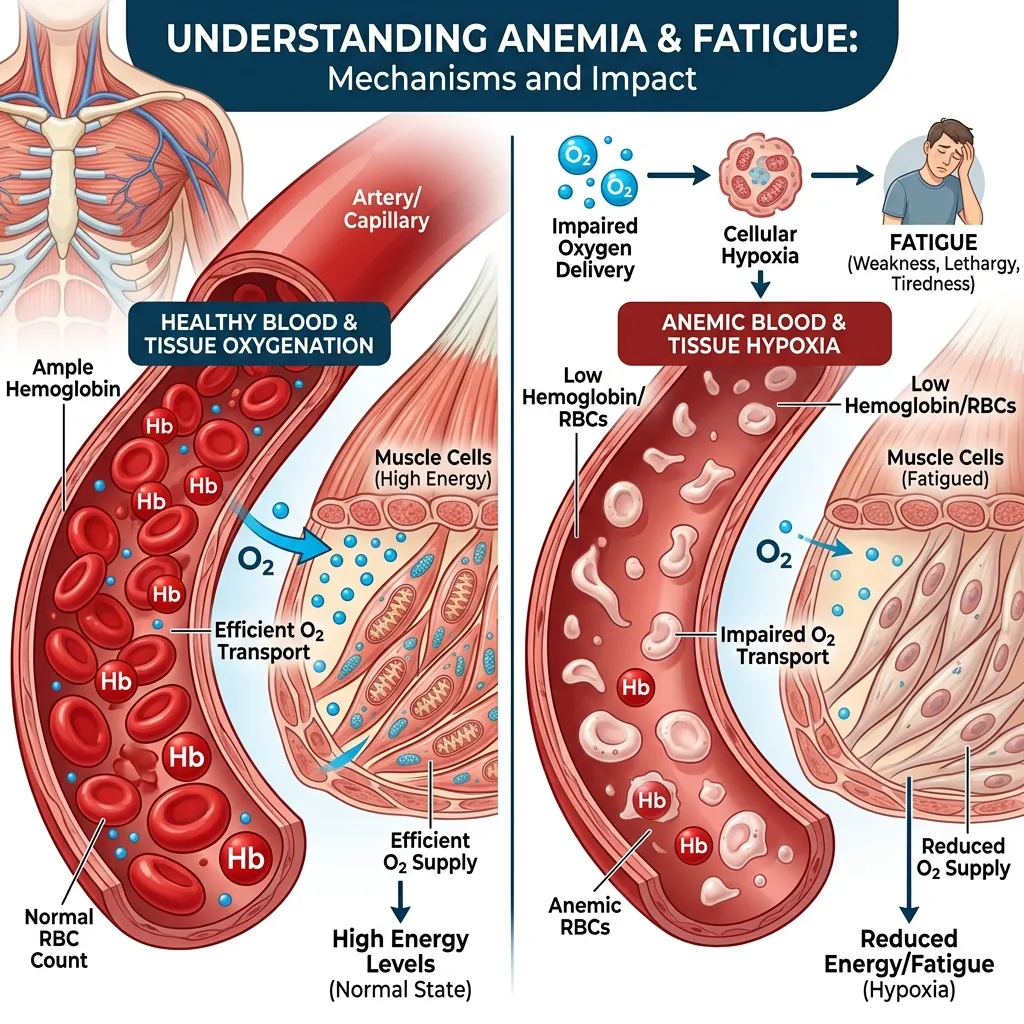 Understanding the biology behind the exhaustion helps explain why fatigue management in anemia requires more than just rest.
Reduced Oxygen Transport
Hemoglobin is the protein in red blood cells that carries oxygen. In anemia, there is less hemoglobin available, so muscles and organs receive less oxygen. Your heart works harder to compensate, which leaves you feeling breathless and drained even during light activity.
Cellular Energy Impairment
Every cell in your body relies on oxygen to produce energy. With less oxygen reaching the tissues, your cells generate energy less efficiently. This cellular shortfall is a major reason why managing anemia symptoms feels so difficult without treating the underlying cause.
Inflammatory Pathways
Some types of anemia, particularly anemia of chronic disease, involve ongoing inflammation. Inflammatory signals interfere with how the body uses iron and produces red blood cells, deepening both the anemia and the fatigue.
How Is Anemia Fatigue Different From General Tiredness?
Ordinary tiredness improves with rest. Anemia fatigue often does not. People describe it as a heavy, persistent exhaustion that lingers despite sleep. It can come with extra clues—pale skin, shortness of breath, dizziness, cold hands, and a racing heart.
Recognizing this difference is essential. If you feel constantly drained no matter how much you rest, it may signal an underlying issue that needs a blood test rather than another nap. Confusing anemia with simple fatigue can delay proper anemia fatigue treatment.
Chronic fatigue also carries a psychological weight. Living with relentless tiredness can lead to frustration, low mood, and even anxiety. Acknowledging the emotional side of fatigue management in anemia is part of caring for the whole person, not just the blood count.
How Do Doctors Diagnose Anemia and Measure Fatigue?
Accurate diagnosis is the foundation of fatigue management in anemia. Without knowing the cause, treatment becomes guesswork.
Key Diagnostic Blood Tests
Doctors rely on several tests to identify and classify anemia:
- Complete Blood Count (CBC): This first-line test measures hemoglobin, red blood cell count, and cell size (MCV). It confirms anemia and offers early clues about its type.
- Iron Studies: Serum iron, ferritin, total iron-binding capacity (TIBC), and transferrin saturation reveal whether iron levels are low. Low ferritin strongly points to iron deficiency.
- Vitamin B12 and Folate Levels: These rule out vitamin-deficiency anemia, which can mimic iron deficiency.
Because some inherited conditions look similar to iron deficiency on a CBC, your doctor may also compare results carefully. For more detail, see our guide on the blood test differences between anemia and thalassemia, and learn how to read a CBC.
Tools That Measure Fatigue Severity
Fatigue is subjective, so clinicians use validated tools to track it:
- Fatigue Severity Scale (FSS): A short questionnaire that rates how fatigue affects daily life.
- Visual Analog Scale (VAS): Patients mark their fatigue level on a simple line, making changes easy to track over time.
- Patient-Reported Outcome Measures (PROMs): Broader surveys that capture how fatigue influences mood, work, and overall quality of life.
These tools turn a vague complaint into measurable data, helping doctors fine-tune anemia fatigue treatment.
How Do You Treat the Underlying Cause of Anemia?
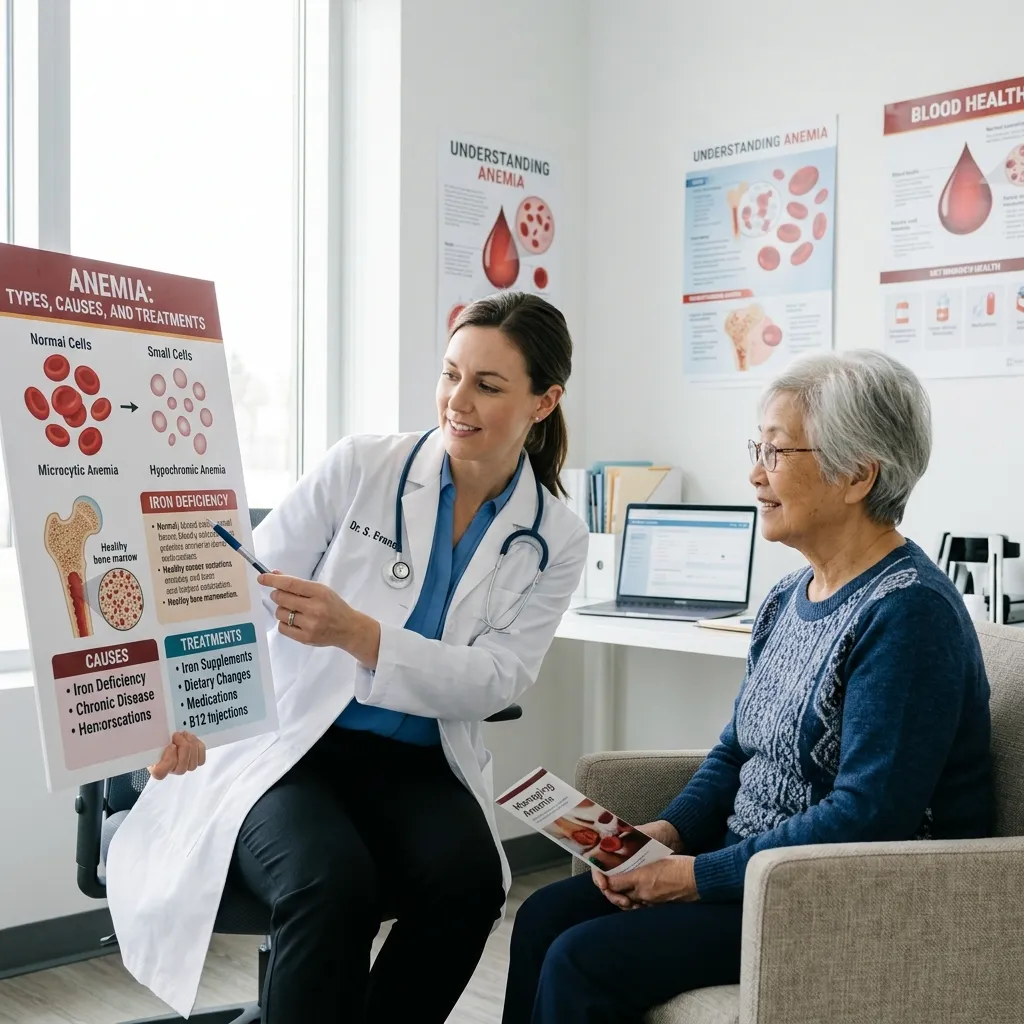 The most effective fatigue management in anemia targets the root cause. Once the type of anemia is clear, treatment can begin.
Iron Deficiency Anemia (IDA)
Iron deficiency is the most common cause of anemia worldwide. Restoring iron levels is central to iron deficiency fatigue management.
- Oral Iron Supplementation: Ferrous sulfate and ferrous gluconate are standard first-line treatments. They are affordable and effective, though some people experience stomach upset or constipation. Taking iron with vitamin C can improve absorption.
- Intravenous (IV) Iron Therapy: When oral iron is poorly tolerated, ineffective, or iron stores need rapid replenishment, IV iron delivers iron directly into the bloodstream. It often improves fatigue faster than oral options.
Vitamin Deficiency Anemia (B12 and Folate)
When low B12 or folate causes anemia, supplementation usually brings clear improvement.
- B12 Supplementation: This can be oral for mild cases or injectable when absorption is impaired, such as in pernicious anemia.
- Folic Acid Supplementation: Folic acid corrects folate-deficiency anemia and supports healthy red blood cell production.
Anemia of Chronic Disease (ACD)
This type develops alongside long-term illnesses like kidney disease, autoimmune conditions, or chronic infections.
- Treating the Underlying Condition: Controlling the root disease often improves the anemia and the fatigue.
- Erythropoiesis-Stimulating Agents (ESAs): These medications encourage the bone marrow to produce more red blood cells and are commonly used in chronic kidney disease.
Other Anemia Types
Inherited anemias such as thalassemia and sickle cell anemia require specialized care.
- Specific Treatments and Supportive Care: Folic acid, careful monitoring, and managing complications form the backbone of care. People with thalassemia must be especially cautious with iron, since they often accumulate too much.
- Blood Transfusions: Severe anemia—whether from inherited disorders or acute blood loss—may require transfusions to quickly restore oxygen-carrying capacity and relieve crushing fatigue.
If you live with an inherited blood disorder, our comprehensive thalassemia care guide explains daily management in detail.
Which Lifestyle Strategies Help With Managing Anemia Symptoms?
 Medical treatment does the heavy lifting, but daily habits play a powerful supporting role in fatigue management in anemia. These strategies help you conserve and rebuild energy.
Pace Your Energy With Activity Management
Trying to push through fatigue often backfires. Instead, break large tasks into smaller chunks and rest before you hit exhaustion. Prioritize what matters most each day and let go of what can wait. This pacing approach is one of the most practical tools for managing anemia symptoms.
Eat to Support Healthy Blood
Nutrition matters, but the right diet depends on your type of anemia. People with iron deficiency benefit from iron-rich foods paired with vitamin C. People with thalassemia, however, often need to limit iron. This is a critical distinction—what helps one person can harm another.
For tailored eating guidance, explore our nutritional strategies for thalassemia. Always match your diet to your diagnosis.
Prioritize Quality Sleep
Restorative sleep helps the body recover and use energy efficiently. Keep a consistent sleep schedule, limit screens before bed, and create a calm sleep environment. While sleep alone cannot fix anemia fatigue, poor sleep makes it noticeably worse.
Move Gently and Regularly
It sounds counterintuitive, but light exercise can ease fatigue over time. Walking, swimming, and yoga improve circulation and stamina without overtaxing the body. Start slowly, listen to your limits, and build up gradually once your hemoglobin improves.
Stay Hydrated and Manage Stress
Dehydration worsens tiredness and dizziness, so aim for steady water intake through the day. Chronic stress also drains energy, so techniques like deep breathing and mindfulness can support both mental and physical resilience.
What Is the Psychological Impact of Chronic Anemia Fatigue?
Persistent fatigue caused by anemia affects far more than just the physical body—it also has a significant psychological and emotional impact. When individuals struggle daily with low energy, dizziness, and weakness, it can gradually affect their confidence, motivation, and overall outlook on life. Many people begin to feel frustrated when simple tasks become exhausting, and this ongoing struggle can lead to emotional stress, anxiety, and in some cases, symptoms of depression.
Over time, chronic fatigue may also strain personal relationships and social interactions. People may withdraw from activities they once enjoyed, cancel plans frequently, or feel misunderstood by others who cannot see their internal struggle. This can create feelings of isolation and emotional burden. Additionally, many individuals experience guilt or self-blame for not being able to perform at their usual level, which further worsens mental fatigue.
That is why addressing mental health is a crucial part of fatigue management in anemia. Emotional well-being is just as important as physical treatment. Support groups, therapy, and open communication with family and friends can significantly reduce emotional stress. According to the World Health Organization (WHO), mental health is an essential component of overall health and should always be treated as part of a complete care plan, not as an afterthought.
Incorporating stress management techniques such as mindfulness, breathing exercises, gentle physical activity, and adequate rest can also help improve emotional resilience during recovery. Treating anemia effectively means caring for both body and mind together.
How Long Does It Take to Feel Better?
 The recovery timeline for anemia-related fatigue varies widely depending on the underlying cause, severity, and treatment approach. For individuals with iron deficiency anemia, noticeable improvements in energy levels often begin within two to four weeks after starting iron supplementation or dietary changes. However, restoring full iron stores in the body can take several months, which is why consistent treatment is essential even after symptoms begin to improve.
In cases of vitamin deficiencies such as B12 or folate deficiency, patients may experience improvement in fatigue within a few weeks of proper supplementation. Energy levels, concentration, and overall well-being often improve relatively quickly once the deficiency is corrected. However, neurological symptoms may take longer to fully resolve depending on how severe the deficiency was.
For anemia of chronic disease, recovery can be more complex and gradual. Since this type of anemia is linked to underlying health conditions such as infections, inflammation, or chronic illnesses, improvement in fatigue depends largely on how well the primary condition is managed.
Patience and consistency are key during recovery. It is important to follow the prescribed treatment plan, attend regular follow-up appointments, and monitor progress over time. Tracking fatigue levels using a simple daily scale or journal can also help patients recognize gradual improvements that may not be immediately noticeable.
Ultimately, recovery from anemia is a step-by-step process. With proper treatment, medical guidance, and lifestyle support, most individuals can gradually regain energy, improve mental clarity, and return to a better quality of life.
Conclusion
Fatigue management in anemia is essential for improving daily energy levels and overall quality of life. By addressing the underlying cause of anemia, such as iron, vitamin, or chronic disease deficiencies, individuals can significantly reduce tiredness and weakness. A combination of proper nutrition, medical treatment, regular monitoring, and healthy lifestyle habits plays a key role in managing symptoms effectively. With the right approach, patients can restore energy, improve productivity, and maintain better long-term health.
For broader, day-to-day support, explore our comprehensive thalassemia care guide, and always partner with your healthcare team to build a plan that fits your specific needs. To learn more about anemia from a trusted source, visit the World Health Organization or the Centers for Disease Control and Prevention.
Frequently Asked Questions (FAQ)
1. What is the fastest way to improve fatigue from anemia?
The fastest anemia fatigue treatment is correcting the underlying cause. For iron deficiency, IV iron can lift energy faster than oral supplements. For severe anemia, a blood transfusion provides rapid relief. Most people feel more energetic within two to four weeks of starting the right treatment.
2. Why am I still tired after taking iron supplements?
Several reasons exist. Iron stores take months to fully rebuild, so energy returns gradually. You may also have poor absorption, a different cause of anemia, or another condition entirely. If fatigue persists, ask your doctor to recheck your levels and reassess your iron deficiency fatigue management plan.
3. Can diet alone fix anemia-related fatigue?
It depends on the cause. Mild iron-deficiency anemia may improve with iron-rich foods, but moderate to severe cases usually need supplements. For inherited anemias like thalassemia, diet supports treatment but cannot replace medical care. Always match your diet to your specific diagnosis.
4. How do I know if my tiredness is from anemia or something else?
Anemia fatigue often comes with pale skin, shortness of breath, dizziness, and a racing heart, and it does not improve with rest. The only way to confirm anemia is a blood test, starting with a CBC. See a doctor if your tiredness is persistent or worsening.
5. Is exercise safe when you have anemia fatigue?
Gentle, low-impact exercise like walking, swimming, or yoga is generally safe and can improve stamina over time. Avoid pushing to exhaustion, especially when your hemoglobin is very low. Get medical clearance before starting a new routine, particularly with severe anemia.
6. What foods help with iron deficiency fatigue management?
For iron-deficiency anemia, lean red meat, poultry, lentils, beans, and leafy greens help, and pairing them with vitamin C boosts absorption. Important caution: people with thalassemia should not load up on iron, since they often have too much. Tailor food choices to your diagnosis.
7. Why does anemia of chronic disease cause such stubborn fatigue?
Anemia of chronic disease involves inflammation that disrupts iron use and red blood cell production. Because the fatigue stems from both low hemoglobin and the underlying illness, it often improves only when the root condition is well controlled, sometimes with the help of erythropoiesis-stimulating agents.
8. Can chronic anemia fatigue affect mental health?
Yes. Living with relentless tiredness can lead to frustration, low mood, and anxiety. The emotional toll is a real part of fatigue management in anemia. Support groups, counseling, and open communication with loved ones can help you cope alongside medical treatment.
9. Do blood transfusions cure anemia fatigue?
Transfusions relieve severe fatigue quickly by restoring oxygen-carrying capacity, but they treat the symptom rather than the cause. They are typically reserved for severe anemia or inherited disorders like thalassemia major. The underlying cause still needs ongoing management.
10. When should I see a doctor about fatigue?
See a doctor if your tiredness is constant, does not improve with rest, or comes with pale skin, breathlessness, dizziness, or a rapid heartbeat. These can signal anemia or another condition that needs proper testing and treatment rather than guesswork.
