


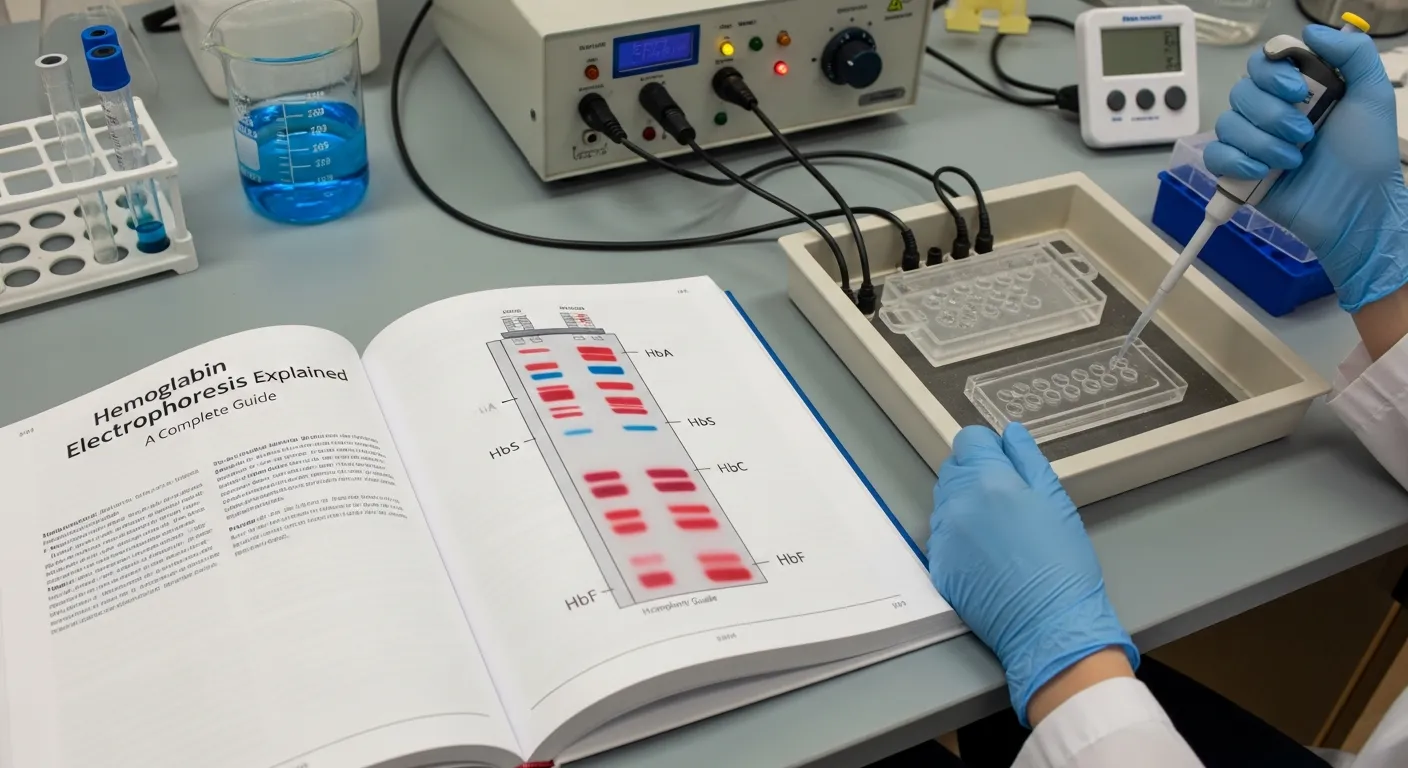
Hemoglobin electrophoresis has limitations and may miss rare or complex genetic variants, so DNA testing is often needed for confirmation. Combined testing improves diagnosis accuracy, helps identify carriers, and supports better understanding and management of inherited blood disorders.
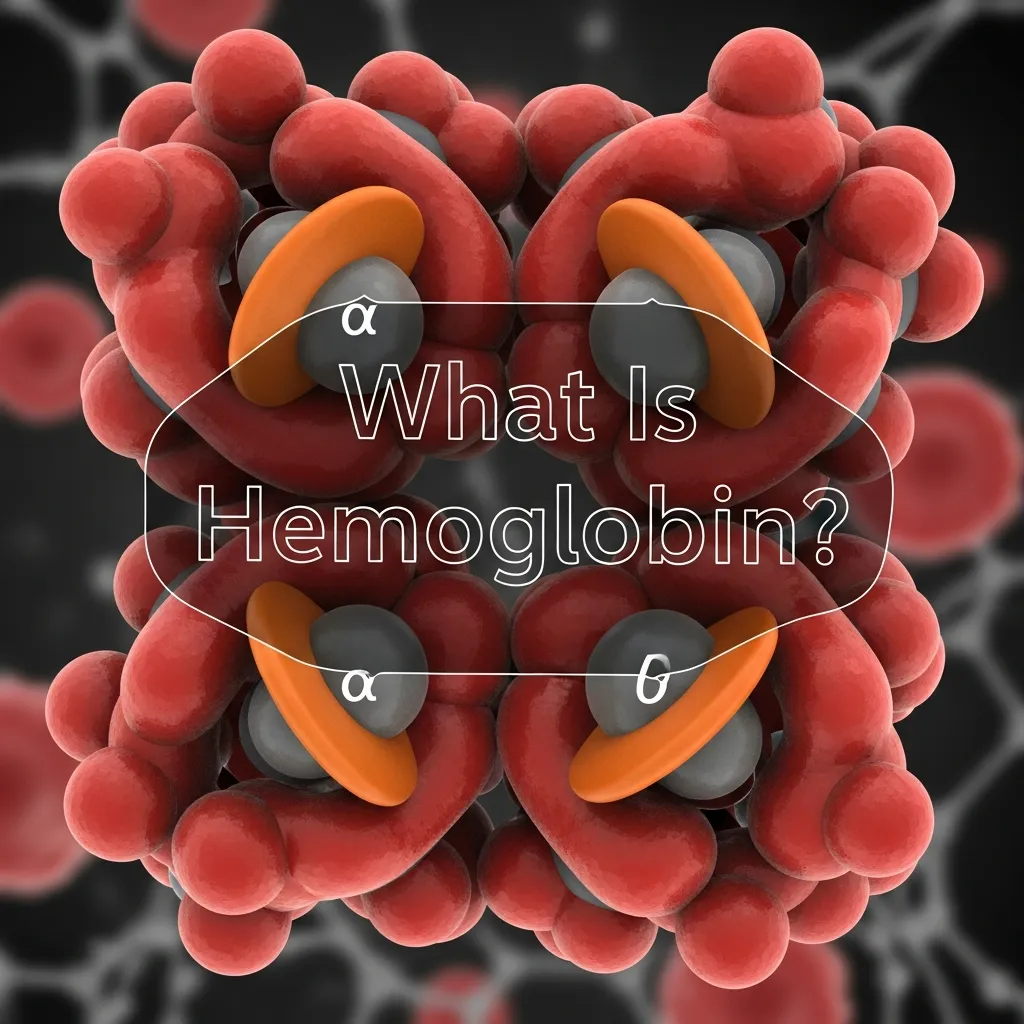
Interpreting the Results
A specialist reviews your results against established reference ranges. They look at which hemoglobin types appear and whether any percentages fall outside the normal range. This analysis helps confirm or rule out specific blood disorders. Because your CBC and electrophoresis work together, your doctor often reviews both. If you want to understand the blood-count side of the picture, our guide on how to read CBC for thalassemia explains the key values to watch.
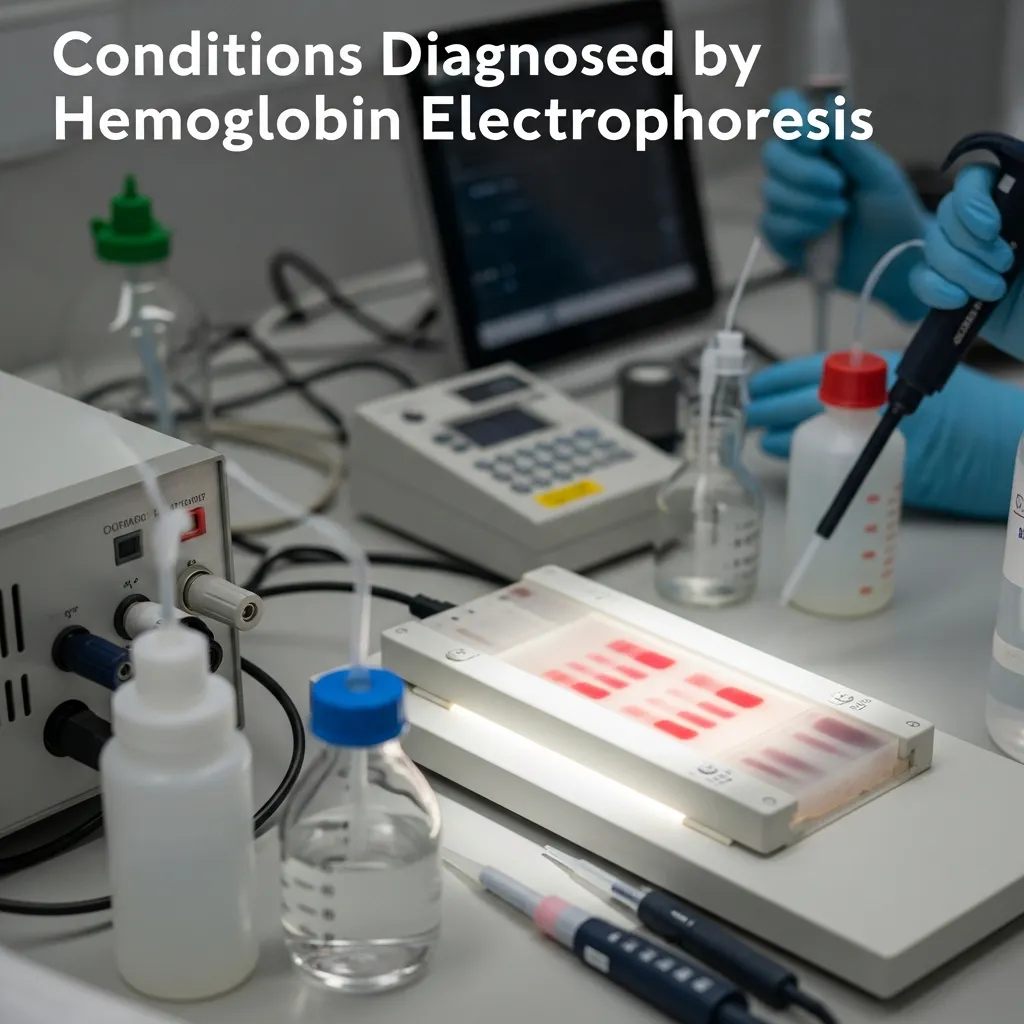
Conditions Diagnosed by Hemoglobin Electrophoresis
Thalassemia Syndromes
Thalassemia is a group of inherited disorders where the body makes too little normal hemoglobin. Hemoglobin electrophoresis helps classify the type and severity.
Alpha-Thalassemia
Alpha-thalassemia results from problems producing the alpha globin chains. Severity ranges from a silent carrier state to serious conditions detectable through abnormal hemoglobin patterns like Hemoglobin H or Hemoglobin Barts.
Beta-Thalassemia (Minor, Intermedia, Major)
Beta-thalassemia affects the beta globin chains and appears in three main forms. Beta-thalassemia minor often causes mild anemia, while beta-thalassemia major can require lifelong blood transfusions. An elevated HbA2 level is a classic sign of beta-thalassemia. To prepare for testing, see our guides on how to read CBC for thalassemia and when to get thalassemia screening.
Sickle Cell Anemia and Sickle Cell Trait
Sickle cell disease occurs when a person inherits two copies of the HbS gene, causing red blood cells to take on a rigid, crescent shape. People with sickle cell trait carry one copy and usually have few symptoms. Hemoglobin electrophoresis clearly distinguishes between the disease and the trait by measuring the amount of HbS present.
Hemoglobin C, D, and E Diseases and Traits
Variants like HbC, HbD, and HbE cause their own range of disorders and traits. These are more common in certain regions and ethnic groups. Hemoglobin electrophoresis identifies these variants and helps doctors plan appropriate care.
Hereditary Persistence of Fetal Hemoglobin (HPFH)
HPFH is a benign condition where the body continues producing fetal hemoglobin (HbF) into adulthood. While usually harmless, it can affect how other blood disorders present, so identifying it matters for accurate diagnosis.
Understanding Your Results: A Detailed Guide
Normal Hemoglobin Electrophoresis Pattern
A normal adult result typically shows HbA at 95–98%, HbA2 at 2–3%, and HbF at less than 1%. These values indicate balanced, healthy hemoglobin production.
Abnormal Patterns and Their Significance
When percentages fall outside normal ranges, the pattern points toward specific conditions:
- Elevated HbA2: A strong indicator of beta-thalassemia trait.
- Elevated HbF: May suggest beta-thalassemia, HPFH, or other conditions.
- Presence of HbS, HbC, or HbE: Confirms the corresponding hemoglobin variant, helping distinguish between disease and trait based on the percentages.
Clinical Applications and Patient Management
Newborn Screening
Many countries include hemoglobin disorders in routine newborn screening. Early detection allows doctors to begin monitoring and treatment before serious complications develop.
Prenatal Diagnosis
For couples who are known carriers, prenatal testing can determine whether a baby has inherited a serious blood disorder. Hemoglobin electrophoresis supports these decisions by confirming carrier status in parents.
Diagnostic Work-up for Anemia
When anemia does not improve with iron supplements, hemoglobin electrophoresis helps reveal whether an inherited disorder is the true cause. This prevents years of misdiagnosis and unnecessary iron therapy.
Monitoring Treatment for Hemoglobinopathies
The test also helps track how patients respond to treatment over time. Alongside regular check-ups and lifestyle support, it forms part of a broader care plan. Our guide on comprehensive thalassemia care covers the daily habits that complement medical monitoring.
Limitations and Complementary Tests
Limitations of Electrophoresis
Hemoglobin electrophoresis is a highly valuable diagnostic tool, but it is not without limitations. While it effectively identifies many common hemoglobin variants, it may not detect every rare or complex mutation. In some cases, results can overlap or appear borderline, making interpretation more challenging for healthcare providers.
Another important limitation is that certain conditions, particularly some forms of Alpha Thalassemia, may show a completely normal electrophoresis pattern. This means a person can still carry a genetic blood disorder even when the test appears normal. Because of this, hemoglobin electrophoresis alone is sometimes not enough for a full diagnosis.
Additionally, factors such as recent blood transfusions or mixed clinical conditions can temporarily affect test accuracy, potentially masking underlying hemoglobin abnormalities. This is why doctors always interpret results in the context of the patient’s full medical history and other laboratory findings.
Role of DNA Analysis and Other Molecular Tests
To overcome these limitations, doctors often combine hemoglobin electrophoresis with advanced molecular testing. DNA analysis provides a deeper level of insight by identifying the exact genetic mutation responsible for the hemoglobin disorder.
This is especially important in cases where results are unclear, or when precise genetic information is needed for family planning. Genetic testing can determine whether a person is a carrier, identify the specific type of thalassemia, and estimate the risk of passing the condition to children.
According to the Centers for Disease Control and Prevention (CDC), identifying the exact genetic mutation improves diagnostic accuracy, helps predict disease severity, and supports more effective genetic counseling for families.
In many modern healthcare systems, a combination of hemoglobin electrophoresis, complete blood count (CBC), iron studies, and DNA-based testing provides the most complete and reliable diagnosis.
Taking the Next Step With Your Results
 Hemoglobin electrophoresis explained in plain terms is essentially a detailed look at the different types of hemoglobin in your blood. It helps doctors understand whether your body is producing normal hemoglobin or whether there are inherited variations such as thalassemia traits or sickle cell disease.
However, the most important step is not just taking the test—but understanding what the results mean in context. A single abnormal result does not automatically indicate a serious condition. Many people with abnormal findings are healthy carriers who live completely normal lives without any symptoms.
If your results come back abnormal, it is important not to panic. Instead, discuss them with your healthcare provider or a hematology specialist. They can explain whether the pattern suggests a benign carrier state or whether further testing, such as genetic analysis, is needed for confirmation.
Carriers of hemoglobin disorders often remain healthy throughout life. The real value of early testing lies in awareness—especially for family planning, early diagnosis in children, and preventing confusion with conditions like iron deficiency anemia.
Trusted global health organizations such as the World Health Organization (WHO) and the Centers for Disease Control and Prevention (CDC) emphasize the importance of accurate diagnosis and informed counseling for inherited blood disorders.
