

Living with thalassemia means making careful choices every day—and food sits at the center of those choices. Most thalassemia patients accumulate too much iron over time, both from increased intestinal absorption and from regular blood transfusions. Excess iron quietly damages the heart, liver, and endocrine glands, which is why the best diet for thalassemia patients looks very different from standard advice given for other types of anemia.
This guide breaks down the core principles of an iron-balanced diet for thalassemia patients, explains which foods to embrace and which to limit, and offers a practical sample meal plan. You will also find detailed nutrition guidance, cooking strategies, and a full FAQ section built to answer the questions patients and caregivers ask most.
One important note before we begin: this article offers general nutritional education, not personalized medical advice. Always work with your hematologist or a registered dietitian before making major dietary changes.
What Is Thalassemia, and Why Does Diet Matter So Much?
 Thalassemia is an inherited blood disorder in which the body produces too little normal hemoglobin—the protein in red blood cells that carries oxygen. Depending on the type and severity, thalassemia can cause chronic anemia, fatigue, bone changes, and organ damage from iron overload.
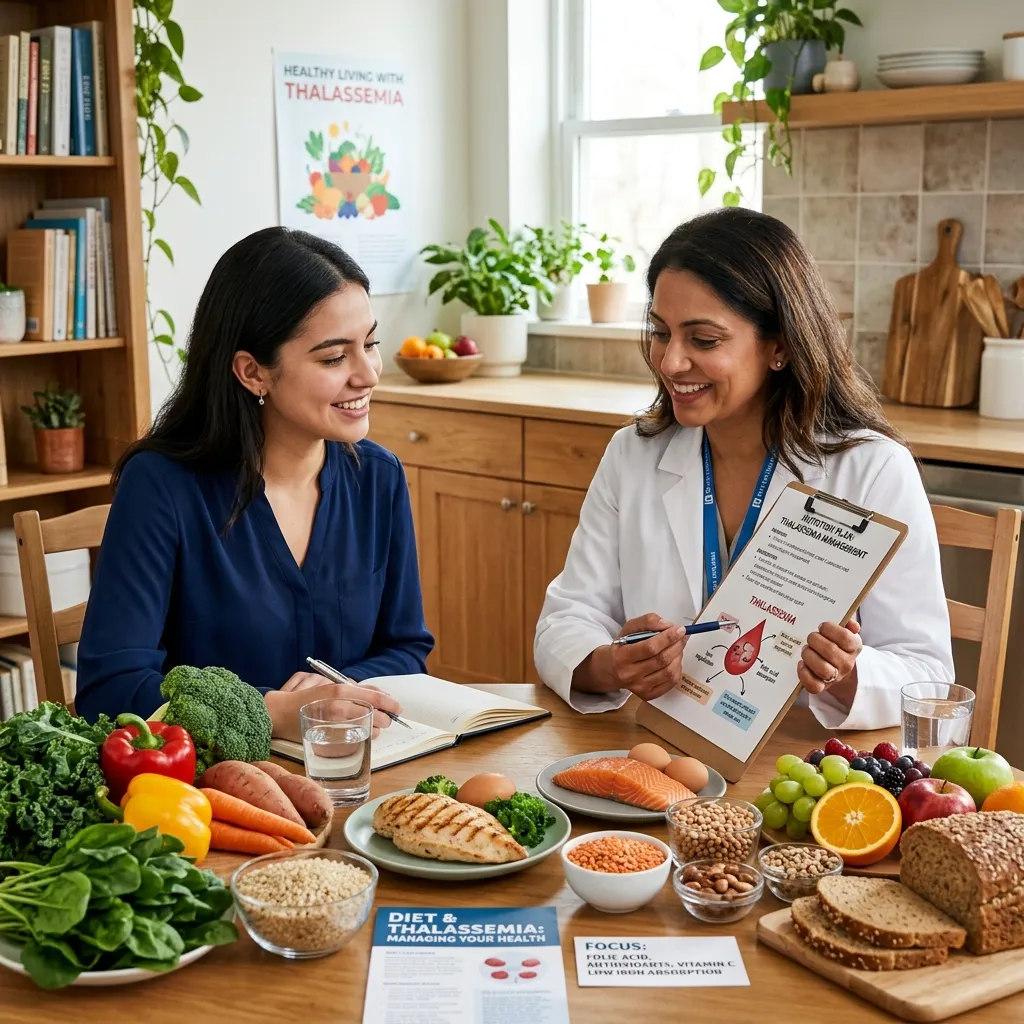
Diet matters because it directly influences how much new iron enters the body. Diet alone cannot remove stored iron—that requires chelation therapy—but a smart eating plan reduces fresh iron intake while supplying nutrients that thalassemia patients often lack. Think of it as turning down the tap while medication drains the tub.
The best diet for thalassemia patients pursues three goals at once: managing iron intake, supporting healthy red blood cell production, and protecting bones, organs, and immunity. Each goal addresses a specific vulnerability that comes with the condition.
What Are the Core Principles of a Thalassemia Diet?
A successful thalassemia diet plan—foods to eat and avoid—rests on a few key ideas. Master these, and the daily choices become far easier.
Why Is Iron Management the Central Challenge?
Iron overload is the biggest dietary threat in thalassemia. The body absorbs heme iron (found in animal products) far more efficiently than non-heme iron (found in plants), so limiting heme-iron foods has the largest impact.
Foods to avoid due to high iron content include:
- Red meats such as beef, pork, and lamb
- Organ meats like liver and kidney are the most iron-dense foods available
- Shellfish, including clams, oysters, and mussels
- Iron-fortified or “enriched” cereals and breads
Strategies for limiting iron absorption:
- Drink tea or coffee with meals, since their tannins block iron uptake
- Pair iron-containing foods with calcium-rich dairy
- Soak and thoroughly cook legumes to reduce phytate and iron levels
- Cook with stainless steel or ceramic cookware instead of cast iron
How Do You Boost Red Blood Cell Health?
Because thalassemia causes rapid red blood cell turnover, the body burns through certain nutrients quickly. Folic acid (vitamin B9) supports red blood cell production and is essential for most patients. Antioxidants matter too. The breakdown of abnormal red blood cells releases iron ions that drive oxidative stress, so antioxidant-rich foods help neutralize free radicals and protect cells.
What About Overall Nutritional Support?
A balanced plate still needs macronutrients—lean proteins, complex carbohydrates, and healthy fats—for energy and tissue repair. Micronutrients beyond iron, including calcium, vitamin D, zinc, and vitamin E, protect bones, immunity, and cell membranes. The right mix supports stamina and strengthens the body’s defenses.
Foods to Eat: Building a Healthy Thalassemia Diet Plan
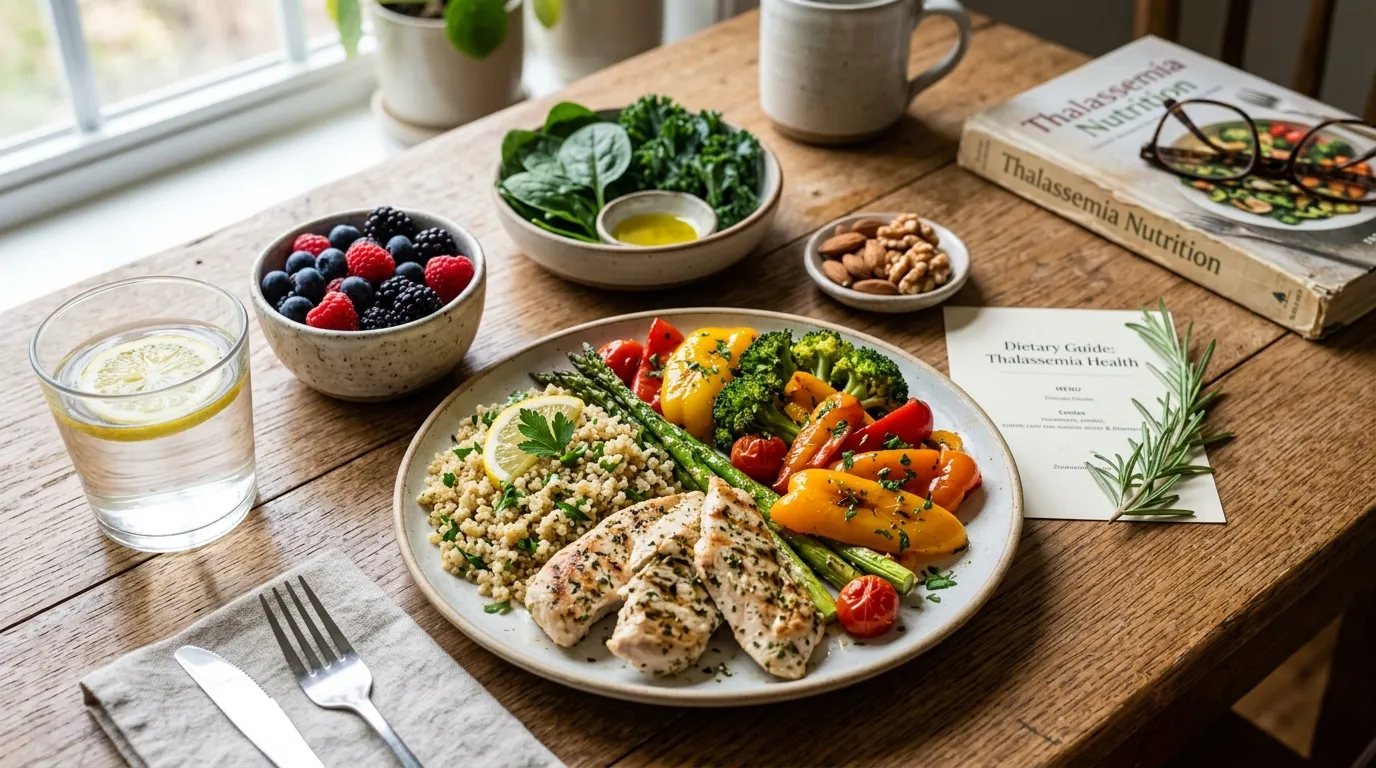
Knowing what to put on your plate is the heart of any iron-balanced diet for thalassemia patients. The following categories deliver real nutritional value without piling on iron.
Which Fruits and Vegetables Are Best?
Color signals nutrition. Antioxidant-rich produce helps fight the oxidative stress thalassemia patients face.
- Berries: blueberries, strawberries, and raspberries
- Apples and pears
- Carrots, sweet potatoes, and beets
- Tomatoes and bok choy
Vitamin C deserves special attention. It significantly boosts iron absorption, so save citrus fruits, bell peppers, and broccoli for snacks between meals rather than eating them alongside iron-containing foods. You still get the antioxidant benefits without amplifying iron uptake.
What Whole Grains and Legumes Should You Choose?
Whole grains supply B vitamins, fiber, and minerals. Choose naturally low-iron options like white rice, plain pasta, oats, and quinoa over “enriched” or “fortified” products. Legumes such as lentils and chickpeas offer plant protein, folate, and zinc—just soak them overnight and cook them thoroughly to lower their phytate content and improve their iron bioavailability.
How Should You Approach Lean Proteins?
Protein supports hemoglobin production and tissue repair, but many high-protein foods carry heavy iron loads. Plant-based options like tofu, tempeh, and edamame contain less-absorbable non-heme iron. If your doctor allows animal protein, skinless chicken, turkey, and white fish such as cod and tilapia are lower-iron choices. A moderate portion of three to four ounces a few times per week works for many patients, though individual limits vary with ferritin levels.
Why Do Dairy and Dairy Alternatives Matter?
Bone disease is a well-documented complication of thalassemia. Dairy products—milk, yogurt, and cheese—deliver calcium and vitamin D while actually slowing iron absorption when eaten with meals. Fortified plant milks like almond, oat, and soy offer similar benefits for those who avoid dairy.
Which Healthy Fats Should You Include?
Healthy fats reduce inflammation and help absorb fat-soluble vitamins. Olive oil, avocado, and small portions of nuts are excellent choices. Fatty fish like salmon and mackerel provide omega-3 fatty acids that support heart health—a priority given that iron overload can affect cardiac function.
Foods to Avoid: Navigating the Thalassemia Diet Plan
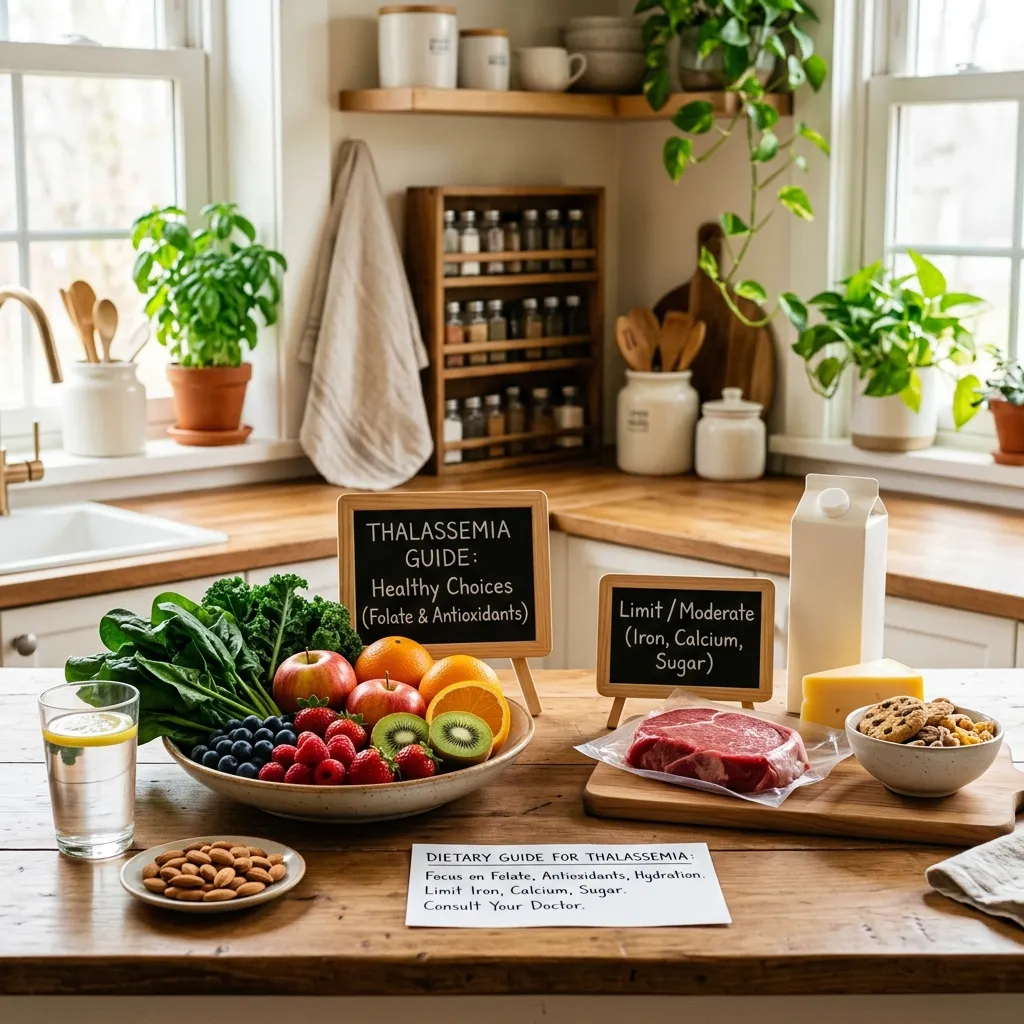 Knowing what to leave off your plate is just as important. These are the foods that work against an iron balance diet for thalassemia patients.
Which High-Iron Foods Should You Strictly Limit?
- Red meat and organ meats: beef, lamb, pork, liver, and kidney top the list for heme-iron content
- Iron-fortified cereals and breads: some fortified cereals pack a full day’s worth of iron in a single bowl
- Iron supplements and multivitamins containing iron: avoid these unless a doctor confirms a true iron deficiency through blood tests
How Do Alcohol and Absorption-Blocking Foods Fit In?
Alcohol damages the liver, an organ already vulnerable in thalassemia, and should be limited or avoided. On the helpful side, tannins in tea and coffee reduce iron absorption when consumed with meals, and phytates in whole grains and legumes do the same. Use these natural blockers to your advantage at mealtimes.
What Does a Sample Thalassemia Meal Plan Look Like?
This sample day offers a low-iron, nutrient-dense framework. Adjust portions and choices based on your ferritin levels and your dietitian’s guidance.
- Breakfast: Oatmeal made with fortified plant milk, topped with blueberries and a handful of walnuts, served with a cup of green tea to reduce iron absorption.
- Lunch: Grilled chicken breast on white rice with steamed bok choy, cucumber slices, and avocado, plus a small glass of milk.
- Snack: Apple slices with a small portion of almond butter and herbal tea.
- Dinner: Baked salmon with roasted sweet potato, steamed broccoli, and an olive oil dressing, with a side of calcium-rich yogurt.
A quick tip: cook in stainless steel or ceramic cookware. Acidic foods prepared in cast iron can absorb significant iron from the pan itself.
Nutrition for Thalassemia Anemia Management: Key Nutrients
Effective nutrition for thalassemia anemia management centers on a handful of nutrients that the condition tends to deplete.
Why Is Folate So Critical?
Folate (folic acid) is one of the most important nutrients for thalassemia patients because rapid red blood cell turnover consumes it quickly. Low folate worsens anemia and fatigue. Dietary sources include leafy greens (in moderation), lentils, broccoli, avocado, and eggs. Many patients also take folic acid supplements under medical supervision.
How Does Zinc Support the Body?
Zinc deficiency is common in thalassemia, partly because chelation therapy depletes it. Low zinc impairs immune function, slows wound healing, and can affect growth in children. Lean poultry, pumpkin seeds, oats, quinoa, and well-cooked beans are solid sources.
What Role Does Vitamin E Play?
Vitamin E protects red blood cell membranes from oxidative damage. Good sources include almonds in small portions, sunflower seeds, and olive oil.
Why Are Vitamin D and Calcium Essential?
Both nutrients protect against osteoporosis and fractures common in thalassemia. Calcium comes from dairy, fortified plant milks, and canned fish with bones. Vitamin D comes from sunlight, fatty fish, egg yolks, and fortified products. Many patients are deficient and may need testing and supplementation.
What Practical Strategies Support an Iron Balance Diet?
Beyond choosing the right foods, how you prepare and combine them shapes your iron intake.
- Use iron-reducing cooking methods. Boil or blanch iron-rich vegetables and discard the cooking water. Steam vegetables to preserve folate and vitamin C while keeping iron low.
- Pair foods strategically. Combine any iron-containing meal with calcium, tea, or coffee to slow absorption. Keep vitamin C foods for between-meal snacks.
- Stay hydrated. Aim for around eight glasses of water daily. Good hydration supports circulation, kidney function, and the effectiveness of chelation therapy.
What Lifestyle Factors Round Out a Thalassemia Diet?
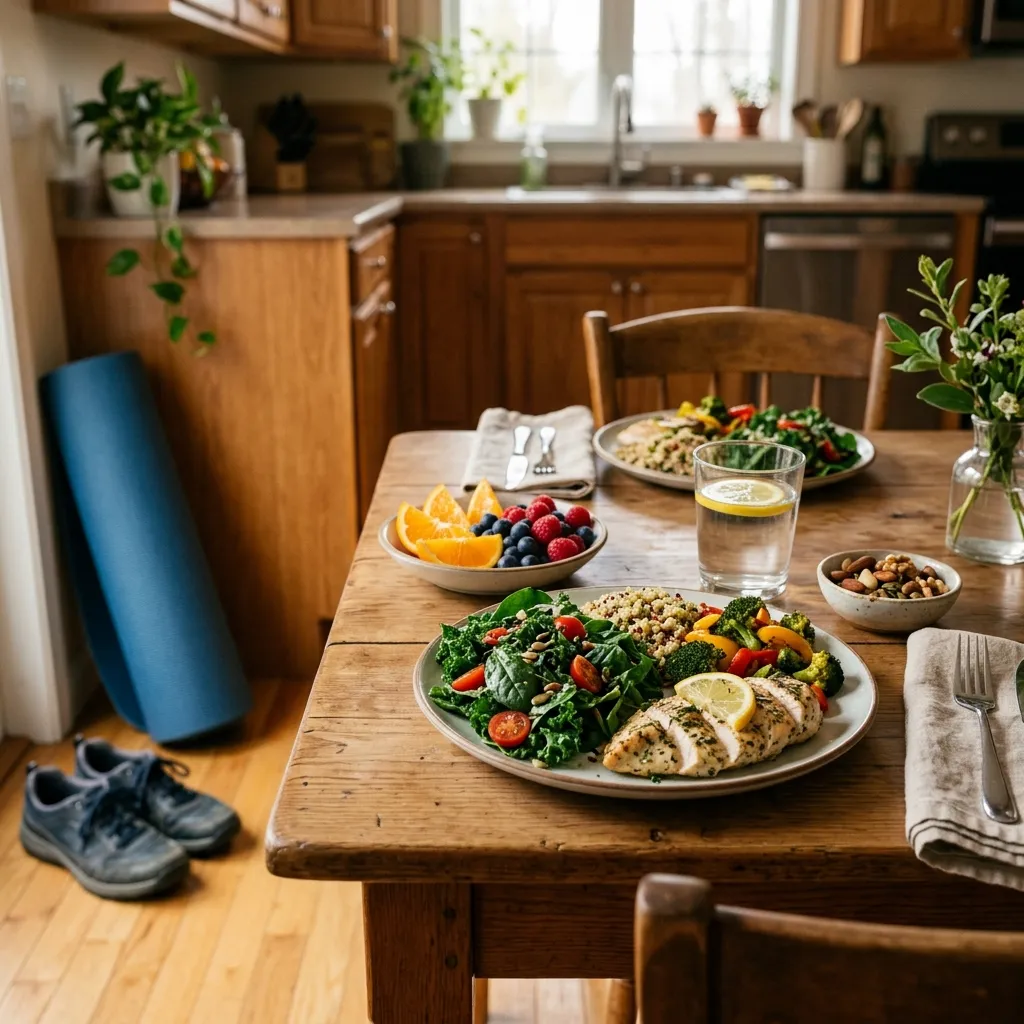 Food works best as part of a broader care plan. A few habits make the biggest difference.
Regular monitoring matters. Ferritin, hemoglobin, and nutrient levels like zinc, vitamin D, and folate should be checked regularly, with diet adjustments following test results rather than guesswork.
Professional guidance is key. Work with a hematologist and a registered dietitian who understand hemoglobin disorders. They can tailor a plan to your transfusion schedule, chelation therapy, and cultural food preferences.
Movement supports the whole plan. Low-impact activity improves circulation and bone density. For safe routines, see our guide on how to exercise safely with thalassemia. And because tiredness is a daily reality for many patients, our fatigue management in anemia guide offers practical energy strategies.
For deeper dives into specific foods, explore our best foods for thalassemia patients guide and our detailed breakdown of thalassemia diet foods to avoid.
Conclusion
The best diet for thalassemia patients is not about rigid restriction—it is about smart, consistent choices. A well-planned thalassemia diet plan with foods to eat and avoid should focus on folic acid, calcium, vitamin D, antioxidants, and zinc while minimizing heme iron and avoiding habits that increase iron absorption. Swap red meat for white fish, choose plain oatmeal over fortified cereal, and consider tea with meals to help maintain an iron balance diet for thalassemia patients.
Start small this week. Replace one high-iron meal with a lower-iron alternative, and pair every dietary change with guidance from your healthcare team. Effective nutrition for thalassemia anemia management should always be individualized and medically supervised. Over time, these practical adjustments can help protect vital organs, support healthy hemoglobin levels, improve energy, and enhance overall quality of life.
Frequently Asked Questions
1. What is the best diet for thalassemia patients?
The best diet for thalassemia patients is low in excess iron and rich in folic acid, calcium, vitamin D, antioxidants, and zinc. Foods such as fruits, vegetables, dairy products, eggs, and lean proteins are often recommended. A balanced diet supports overall health and healthy blood production.
2. Why do most thalassemia patients need to limit iron?
Many patients develop iron overload due to increased absorption or regular blood transfusions. Excess iron can accumulate in vital organs and cause complications over time. Limiting unnecessary iron intake helps reduce these risks.
3. Can thalassemia patients eat leafy greens like spinach?
Yes, leafy greens can be part of a healthy diet. They provide folic acid, antioxidants, and other essential nutrients that support red blood cell production. Eating them in moderation is generally beneficial.
4. How does vitamin C affect iron absorption in thalassemia?
Vitamin C helps the body absorb more iron from food. Because of this, patients with iron overload may need to be mindful of consuming vitamin C with iron-rich meals. It is still an important nutrient for overall health.
5. Should thalassemia patients take iron supplements?
Iron supplements should only be taken if a doctor confirms iron deficiency. Most thalassemia patients do not need extra iron and may already have high iron levels. Always seek medical advice before taking supplements.
6. Which cooking methods reduce iron in a thalassemia diet?
Using stainless steel or ceramic cookware instead of cast iron can reduce added iron in foods. Boiling certain vegetables and discarding the water may also help lower iron content. These strategies support an iron balance diet for thalassemia patients.
7. What nutrients are most important for nutrition for thalassemia anemia management?
Key nutrients include folic acid, calcium, vitamin D, zinc, and vitamin E. These nutrients support blood cell production, bone health, and immune function. Proper nutrition for thalassemia anemia management helps improve overall well-being.
8. How is a thalassemia diet different from a typical anemia diet?
Most anemia diets encourage iron-rich foods, while thalassemia diets often focus on limiting excess iron. The goal is to manage iron levels while maintaining proper nutrition. Dietary recommendations depend on the patient’s condition.
9. Can diet cure thalassemia or remove stored iron?
No, diet cannot cure thalassemia or remove excess iron already stored in the body. Medical treatments such as iron chelation therapy are needed for that. However, a healthy diet helps prevent further iron accumulation.
10. Should I see a dietitian for a thalassemia diet plan?
Yes, a dietitian can create a personalized thalassemia diet plan with foods to eat and avoid based on your health needs. Professional guidance ensures balanced nutrition while managing iron intake. This can improve long-term health outcomes.
