


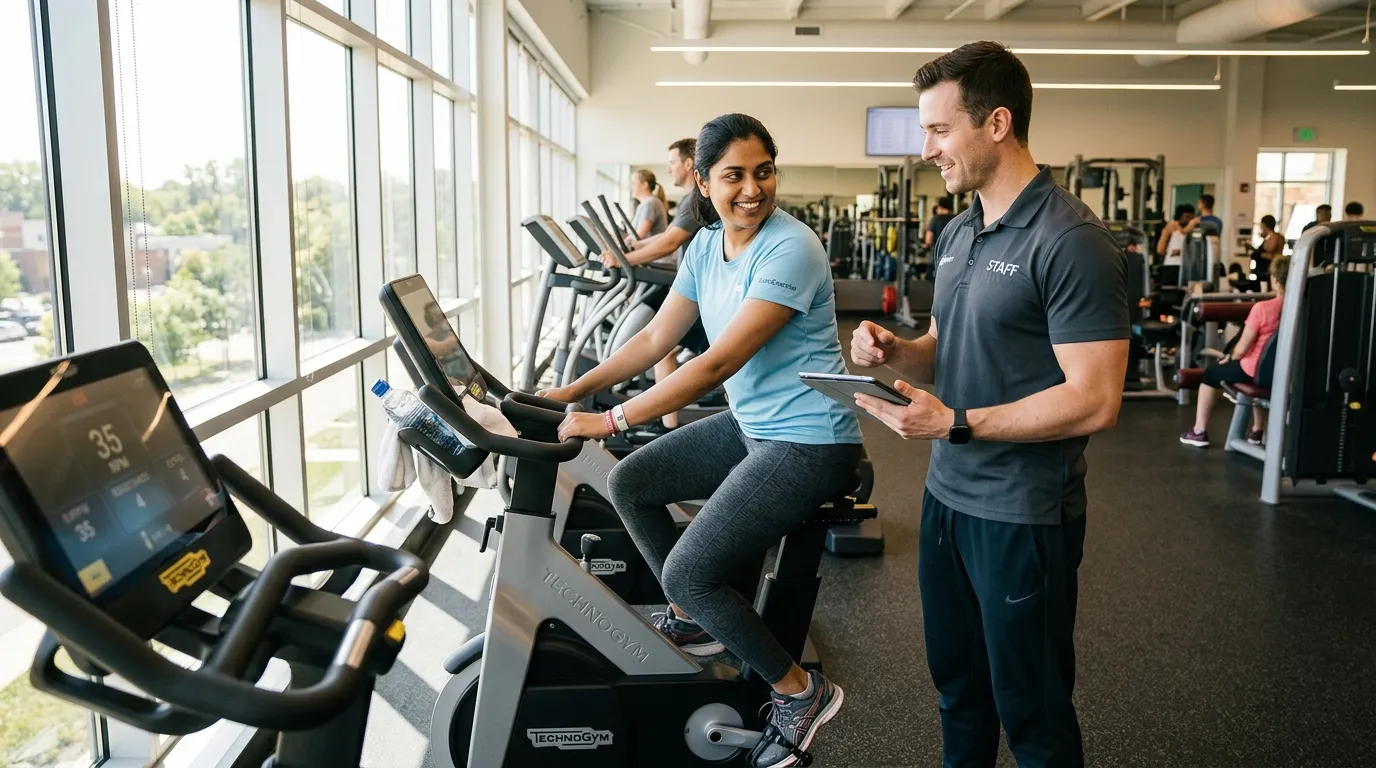

Medical clearance gives your healthcare team the opportunity to assess your current hemoglobin levels, iron burden, cardiac function, bone health, and spleen status. Each of these factors directly influences how much physical stress your body can safely handle.
What should you discuss with your doctor before starting an exercise program?
When you meet with your doctor, bring a clear picture of what you want to do—and be ready to cover the following:
Current health status and thalassemia type. Beta-thalassemia major, intermedia, and alpha-thalassemia present very differently. Your doctor will calibrate exercise recommendations based on your specific diagnosis, transfusion frequency, and current hemoglobin levels. A hemoglobin of 7 g/dL calls for a very different approach than one of 10 g/dL.
Iron overload and heart health. Excess iron, a common complication in transfusion-dependent thalassemia, can accumulate in the heart muscle and affect cardiac function. Before engaging in any aerobic activity, it is worth confirming that your heart is coping well. Your doctor may recommend an echocardiogram or ECG if this has not been checked recently. You can also track early cardiac symptoms at home—our guide on how to monitor thalassemia at home covers this in detail.
Splenectomy status. Patients who have had their spleen removed face a higher risk of infection, particularly from certain bacteria. This affects both the types of exercise recommended and hygiene precautions during outdoor or group activities.
Bone health and osteoporosis risk. Thalassemia is associated with reduced bone mineral density due to hormonal disruptions from iron overload and bone marrow expansion. High-impact activities that stress the skeleton—jumping, running on hard surfaces—may not be appropriate for all patients. Your doctor may want to review your bone density before giving the all-clear.
Joint health and pain. Joint discomfort is common in thalassemia, partly due to iron deposition and partly from chelation therapy effects. If you experience regular joint pain, your exercise plan should be tailored to minimize aggravation.
What Are the Best Types of Safe Exercise for Thalassemia Patients?
Not all exercise is created equal for people with thalassemia. The goal is to find activities that build cardiovascular fitness, muscle strength, and flexibility—without overtaxing a system that already works under stress. Low-impact aerobic activities, light strength training, and flexibility exercises are the three categories that generally work best.
Which low-impact aerobic activities are safe for thalassemia patients?
Walking is the most accessible starting point. It requires no equipment, can be done anywhere, and allows you to control pace and duration precisely. Start with 10–15 minutes on flat terrain and build gradually. Walking improves circulation and supports energy levels over time, which directly helps with fatigue management—a priority for most thalassemia patients. For more on managing energy with this condition, see our fatigue management in anemia guide.
Swimming and water aerobics are among the most widely recommended activities for thalassemia patients. Water supports body weight, reduces joint stress, and allows you to work at your own pace. The resistance of water also provides a gentle strength-building element. The cool environment helps prevent overheating, which is particularly useful in warm climates.
Stationary cycling or cycling on flat terrain offers a controlled, low-impact cardiovascular workout. Stationary bikes let you adjust resistance and stop immediately if you feel unwell, making them a safer option than outdoor cycling on uneven or hilly ground.
Dancing delivers aerobic benefits in an enjoyable, social format. Low-intensity styles like ballroom or gentle contemporary dance can improve coordination, mood, and cardiovascular health. The key is choosing styles that do not require jumping, sharp pivoting, or sustained high intensity.
What strength training is appropriate for thalassemia patients?
Bodyweight exercises such as modified push-ups, seated squats, and wall sits build functional strength without heavy loads on bones or joints. These are ideal for beginners or for periods when hemoglobin levels are lower.
Resistance bands offer adjustable resistance without the risks associated with free weights. They strengthen muscles through a full range of motion and can be used safely at home or in a therapy setting.
Light weights can be incorporated once you have established a baseline level of fitness. Focus on controlled movements, moderate repetitions, and avoiding breath-holding (the Valsalva maneuver), which temporarily raises blood pressure.
Which flexibility and balance exercises benefit thalassemia patients?
Stretching maintains joint mobility, reduces stiffness, and helps prevent injury. Daily stretching—particularly of the hips, hamstrings, and lower back—supports overall physical comfort, especially for patients who spend long periods sitting during transfusion appointments.
Modified yoga is well-suited to thalassemia patients. Restorative and gentle yoga styles improve flexibility, breathing capacity, and stress reduction. Avoid inversions (poses where the head is lower than the heart) if you have cardiac concerns, and tell your instructor about your condition so modifications can be made.
Tai chi combines slow, deliberate movement with balance and breath control. Research consistently shows tai chi benefits balance, falls prevention, and psychological well-being in people with chronic health conditions.
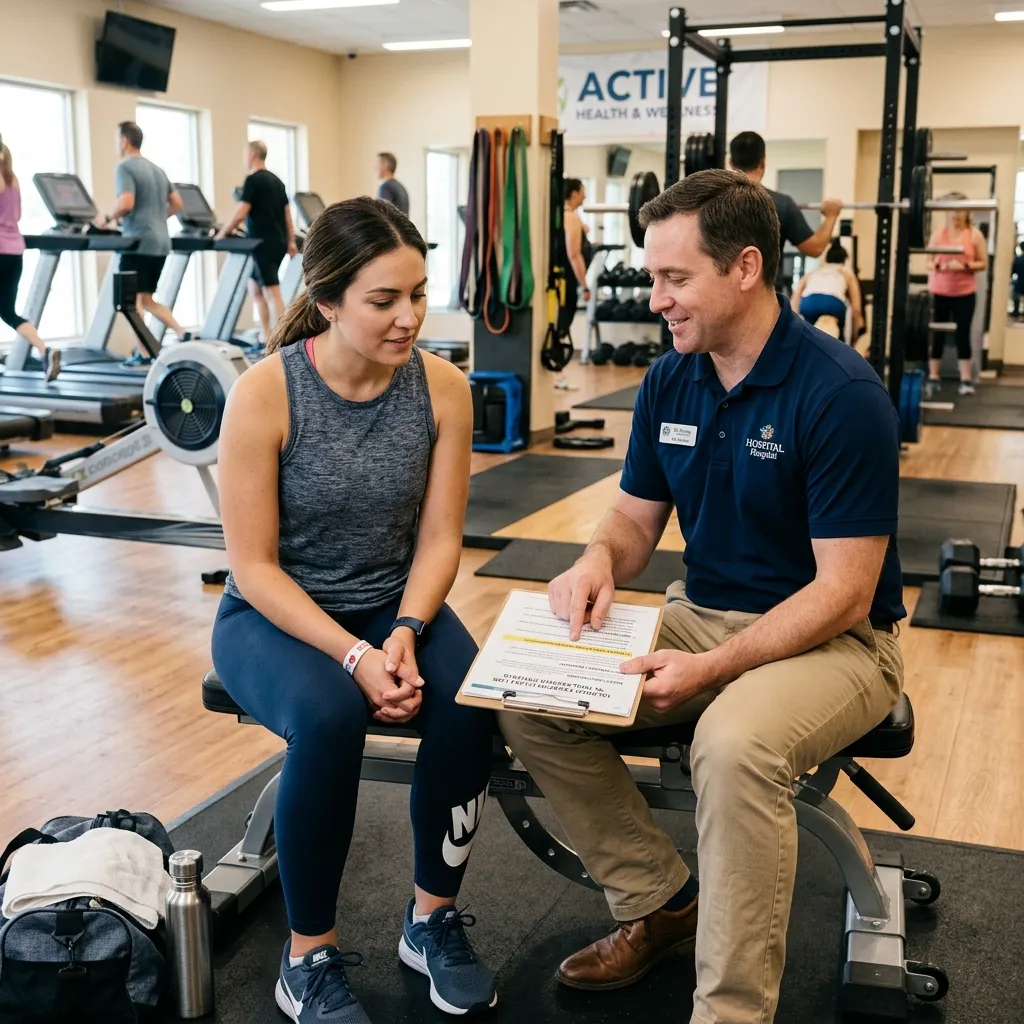 Understanding thalassemia exercise guidelines means knowing the boundaries as clearly as the possibilities within physical activity in thalassemia.
How should thalassemia patients monitor their bodies during exercise?
The most important thalassemia exercise guideline is also the simplest: listen to your body. Your symptoms communicate what your hemoglobin levels and oxygen delivery are doing in real time.
Pace yourself deliberately. Use a method like the “talk test”—you should be able to hold a conversation while exercising. If you cannot get a sentence out, you are working too hard.
Recognize warning signs. Stop exercising immediately and rest if you experience any of the following:
- Unusual shortness of breath
- Chest tightness or palpitations
- Dizziness or lightheadedness
- Sudden severe fatigue
- Nausea or visual changes
These symptoms can indicate that your hemoglobin is too low for the activity level, or that your heart is under excessive strain. Contact your doctor if they persist after rest.
Track your resting heart rate and oxygen saturation. A pulse oximeter is an affordable tool that measures your SpO2 (blood oxygen saturation). A reading below 94% at rest or during light activity warrants medical attention. Keeping a daily log lets you spot patterns before they become problems.
How does hydration and nutrition support safe exercise in thalassemia?
Dehydration worsens fatigue, raises heart rate, and impairs coordination—all things thalassemia patients are already managing carefully. Drink water before, during, and after physical activity. In hot weather or during longer sessions, increase intake further.
Nutrition plays a critical supporting role. Folic acid supports red blood cell production and is especially important when your body’s turnover rate is already high due to thalassemia. Calcium and vitamin D protect the bones you are putting to work. Specific guidance on what to eat—and what to avoid—is covered in detail in our best foods for thalassemia patients guide and our thalassemia diet foods to avoid guide.
Why are warm-up and cool-down essential for thalassemia patients?
Jumping straight into activity without warming up forces your cardiovascular system to ramp up abruptly—a significant strain when your blood oxygen capacity is already limited. Spend at least 5–10 minutes warming up with gentle movement before any exercise session.
The cool-down is equally important. Stopping suddenly can cause blood to pool in the lower limbs, leading to dizziness. Gradually reduce intensity over 5–10 minutes and follow with light stretching to help your heart rate return to baseline.
How do environment and timing affect exercise safety for thalassemia patients?
Avoid extreme temperatures. Exercising in intense heat places extra demand on your circulatory system. Choose air-conditioned environments during summer months, or exercise during the cooler parts of the day—early morning or evening.
Time exercise relative to transfusions. Many patients find they have more energy and better exercise tolerance in the days following a transfusion, when hemoglobin levels are at their highest. If you notice a significant energy dip in the days before your next transfusion is due, reduce exercise intensity accordingly.
Group vs. solo exercise. Group settings provide motivation and social support, but choose groups where you can work at your own pace without competitive pressure. Inform instructors about your condition so they can accommodate your needs.
How Can Thalassemia Patients Build a Sustainable Exercise Routine?

Consistency matters far more than intensity. A gentle 20-minute walk three times a week, sustained over months, delivers more long-term benefit than an intense session once a week that leaves you exhausted and unable to repeat it.
Start with one or two low-impact activities and build from there. Keep a journal of how you feel before and after each session—energy levels, any symptoms, and recovery time. Share this log with your healthcare team at appointments. It provides far more useful clinical information than trying to describe how you feel from memory.
If you experience a period of illness, a low hemoglobin reading, or a delayed transfusion, scale back immediately. Physical activity in thalassemia is not a fixed program—it is a responsive one that adapts to where your health is on a given week.
According to the Thalassemia International Federation, regular physical activity within appropriate limits can improve quality of life, cardiovascular fitness, and psychological well-being in thalassemia patients, and should be encouraged as part of a comprehensive care plan.
The World Health Organization (WHO) recommends that adults with chronic conditions aim for at least 150 minutes of moderate-intensity activity per week, adjusted for individual capacity and always with medical guidance.
Conclusion
Exercising with thalassemia is not only possible but can also play an important role in improving overall health when done safely and consistently. Because thalassemia affects hemoglobin levels and reduces oxygen delivery in the body, patients may experience fatigue more easily than others. This makes it essential to choose low to moderate-intensity activities and avoid overexertion.
With proper guidance from healthcare professionals, activities such as walking, stretching, light cycling, or gentle aerobic exercises can help improve blood circulation, support heart health, and gradually increase stamina. The key is to understand personal limits and adjust exercise intensity based on daily energy levels.
Frequently Asked Questions (FAQ)
1. Can thalassemia patients exercise every day?
Daily gentle activity—such as short walks or light stretching—is generally safe for many thalassemia patients when hemoglobin levels are stable and medical clearance has been given. Higher-intensity sessions should include rest days between them to allow adequate recovery. Always adjust based on how you feel and your current hemoglobin level.
2. What is the safest type of exercise for someone with beta-thalassemia major?
Swimming, walking, stationary cycling, and modified yoga are generally considered the safest forms of physical activity for patients with beta-thalassemia major. These activities are low-impact, controllable in intensity, and place minimal stress on bones and joints. Medical clearance remains essential before starting any new program.
3. Is it safe to exercise when hemoglobin levels are low?
When hemoglobin is significantly below your personal baseline—or below approximately 7–8 g/dL in many patients—exercise capacity is reduced, and the risk of symptoms like breathlessness, dizziness, and fatigue increases. Rest during these periods and resume activity gradually once hemoglobin improves after transfusion. Your doctor can advise on your specific safe threshold.
4. Can exercise improve bone density in thalassemia patients?
Weight-bearing exercise—walking, gentle resistance training, and yoga—can support bone density over time. Thalassemia patients have a higher risk of osteoporosis due to iron overload and hormonal disruptions, so regular, appropriate weight-bearing activity is beneficial. High-impact activities, however, may not be suitable until bone health is assessed.
5. Why should thalassemia patients avoid contact sports?
Patients with an enlarged spleen face a serious risk of splenic rupture from abdominal impact. Even after splenectomy, contact sports carry a high infection risk. For these reasons, thalassemia exercise guidelines consistently recommend avoiding contact sports such as football, rugby, basketball, and martial arts.
6. How does exercise affect fatigue in thalassemia patients?
Paradoxically, gentle regular exercise can reduce fatigue over time by improving cardiovascular efficiency and muscle endurance. However, exercising beyond your body’s capacity—especially when hemoglobin is low—worsens fatigue. The key is gradual progression and pacing, not pushing through exhaustion.
7. What warm-up routine should thalassemia patients follow?
A 5–10 minute warm-up of gentle walking, arm circles, and slow dynamic stretching prepares the cardiovascular system gradually. This prevents the sudden demand increase that can cause dizziness or shortness of breath in people with reduced oxygen-carrying capacity.
8. Can children with thalassemia participate in school sports?
Many children with thalassemia can participate in physical education and modified sports with appropriate accommodations. Their hematologist should advise the school on activity restrictions based on the child’s specific type and severity. Low-impact team sports and swimming are often well-suited alternatives to high-impact activities.
9. Should thalassemia patients exercise before or after a blood transfusion?
Most patients find that their energy and exercise tolerance is best in the 24–48 hours following a transfusion, when hemoglobin levels are at their highest. Exercising in the days immediately before a transfusion—when hemoglobin is lowest—requires extra caution and lower intensity.
10. What should a thalassemia patient do if they feel unwell during exercise?
Stop immediately, sit or lie down in a safe position, and rest. If symptoms such as chest tightness, significant breathlessness, palpitations, or severe dizziness do not resolve within a few minutes of rest, seek medical attention. Do not continue exercising, and make a note of what you were doing when symptoms appeared to share with your healthcare team.
