


This guide explains how diet and wellness support thalassemia management. It highlights essential nutrients, foods to avoid, and healthy lifestyle habits that help control symptoms, improve energy, and reduce complications for better long-term health.
Living with a genetic blood disorder presents unique daily challenges, but establishing a strong foundation of health can dramatically improve your quality of life. When your body struggles to produce adequate healthy hemoglobin, you often experience chronic fatigue, weakness, and a host of other complications. Medical treatments like transfusions and chelation therapy are critical, yet they represent only one part of a comprehensive care plan. Taking an active role in your daily habits gives you significant power over your health outcomes.
A holistic approach is essential for managing this condition effectively. Thalassemia diet and wellness strategies work hand in hand with your medical treatments to support red blood cell production, protect vital organs, and boost your daily energy levels. Proper nutrition provides the exact building blocks your body requires, while mindful lifestyle habits help mitigate the physical stress caused by chronic anemia.
This comprehensive guide covers everything you need to know about creating an optimal environment for your body to thrive. We will explore the exact macronutrients and micronutrients that support blood health, identify which foods to embrace or limit, and break down effective meal planning techniques. Furthermore, we will examine the crucial lifestyle factors—such as sleep, exercise, and stress management—that complete a well-rounded thalassemia diet and wellness routine.
By understanding the direct relationship between your daily habits and your physical symptoms, you can make informed, proactive decisions. Implementing these evidence-based strategies will help you build physical resilience, minimize treatment side effects, and foster a highly active, fulfilling lifestyle.
The Cornerstone of Thalassemia Management: A Balanced Diet
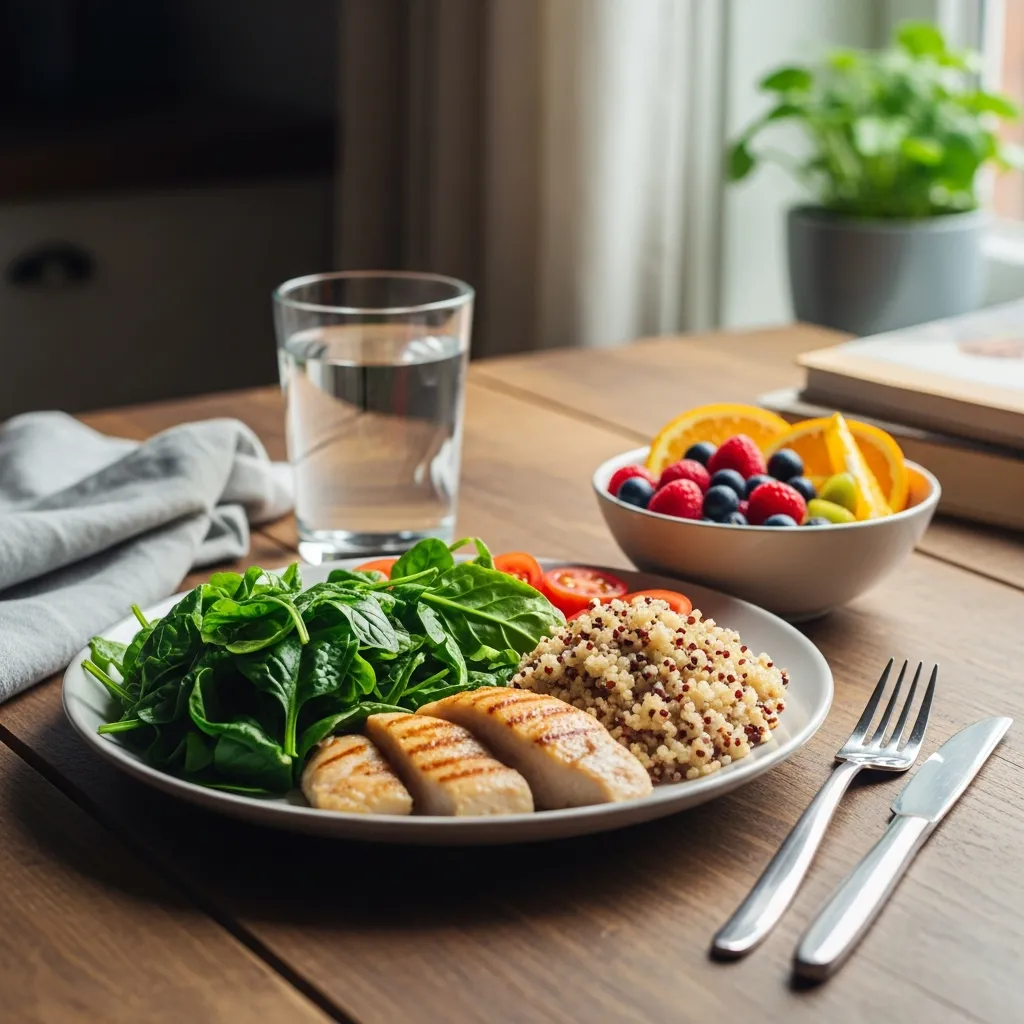 A thoughtfully structured diet is the absolute foundation of any effective thalassemia diet and wellness plan. Because your body works overtime to produce red blood cells and manage potential iron buildup, it requires a highly specific balance of nutrients.
Macronutrients for Thalassemia
Macronutrients supply the bulk of your daily energy. Balancing them correctly prevents fatigue and supports cellular repair.
Proteins: Sources and importance
Protein is indispensable for hemoglobin synthesis. Your body breaks down dietary protein into amino acids, which are then used to build and repair tissues, including red blood cells. Focus on high-quality, lean proteins that do not contribute excessive iron. Excellent sources include skinless poultry, egg whites, fish, tofu, and legumes. Consuming adequate protein ensures your body has the structural materials necessary to maintain muscle mass and support immune function.
Carbohydrates: Choosing complex over simple
Carbohydrates are your brain and body’s preferred energy source. For sustainable thalassemia diet and wellness, prioritize complex carbohydrates over simple sugars. Complex carbs—found in oats, brown rice, quinoa, and sweet potatoes—break down slowly in the digestive tract. This slow digestion provides a steady stream of glucose to the bloodstream, preventing the sharp energy crashes that worsen anemia-induced fatigue.
Healthy Fats: Essential for nutrient absorption
Healthy fats are critical for absorbing fat-soluble vitamins (like Vitamin D) and maintaining cell membrane integrity. Include monounsaturated and polyunsaturated fats in your daily meals. Avocados, olive oil, walnuts, almonds, and flaxseeds are exceptional choices. These fats also help reduce systemic inflammation, supporting your overall cardiovascular health.
Micronutrients: Special Considerations for Thalassemia
Micronutrients—vitamins and minerals—act as the spark plugs for your body’s cellular machinery. In thalassemia diet and wellness, specific micronutrients require careful attention.
Iron: The delicate balance
Iron management is the most complex aspect of this condition. While iron is necessary for blood production, patients receiving frequent transfusions face a high risk of iron overload. The body cannot naturally excrete excess iron, causing it to accumulate in the heart and liver. Managing dietary iron intake is vital. Always follow your hematologist’s guidance regarding iron consumption, as your needs depend heavily on your specific diagnosis and transfusion schedule.
Folic Acid: Crucial for red blood cell production
Folic acid (Vitamin B9) is a non-negotiable component of thalassemia diet and wellness. Your bone marrow requires folate to manufacture new red blood cells. Since thalassemia causes rapid red blood cell turnover, your folate requirement is significantly higher than average.
Vitamin D: Bone health and immune function
Bone marrow expansion is a common complication of thalassemia, making bones brittle and prone to fractures. Vitamin D helps your body absorb calcium, protecting your skeletal structure. Furthermore, Vitamin D plays a massive role in maintaining a strong immune system, which is crucial if you have an enlarged or surgically removed spleen.
Calcium: Partnering with Vitamin D
Calcium works directly with Vitamin D to fortify your bones. Since dairy products can also inhibit the absorption of dietary iron, incorporating milk, cheese, or fortified plant milks into your meals serves a dual purpose: building bone density and safely managing iron uptake.
Zinc: Immune support
Chronic illness and chelation therapy can deplete your body’s zinc reserves. Zinc is necessary for wound healing, immune defense, and DNA synthesis. Including zinc-rich foods like pumpkin seeds and chickpeas helps replenish these critical stores.
Vitamin C: Considerations for iron absorption
Vitamin C significantly increases the amount of non-heme iron your body absorbs from plant-based foods. If you are struggling with iron overload, you must carefully time your Vitamin C intake. Avoid drinking orange juice or eating citrus fruits at the exact same time as your main meals.
Foods to Embrace for Thalassemia Diet and Wellness
Building a grocery list that supports your health goals is a highly empowering step. A successful thalassemia diet and wellness approach focuses on nutrient density and safe ingredient pairing.
Iron-conscious choices: Foods low in iron
For those managing iron overload, focus on foods that provide robust nutrition without adding excess iron. Dairy products, egg whites, and certain fish (like cod and tilapia) are excellent, low-iron protein sources. Root vegetables, squash, and refined grains (in moderation) can also form the base of low-iron meals. If you are unsure if you are experiencing the initial physical impacts of the condition, learning about the 7 early signs of thalassemia can provide valuable context for your dietary choices.
Folic acid rich foods: Leafy greens, legumes, fortified grains
To meet your heightened folate needs, load your plate with dark, leafy greens such as spinach, kale, and Swiss chard. Lentils, black beans, and chickpeas are also fantastic sources. Many breads and cereals are fortified with folic acid, making them convenient additions to your morning routine.
Antioxidant powerhouses: Fruits and vegetables
Antioxidants protect your cells from oxidative stress, a common byproduct of rapid red blood cell destruction. Berries (blueberries, strawberries, raspberries), carrots, bell peppers, and tomatoes are packed with natural antioxidants. Eating a colorful variety of produce ensures you receive a wide spectrum of protective compounds.
Healthy fats: Avocados, nuts, seeds, olive oil
Incorporate healthy fats daily to support heart health and nutrient absorption. Drizzle extra virgin olive oil over your salads, add a slice of avocado to your sandwiches, or snack on a small handful of unsalted almonds. These fats keep you feeling full and satisfied.
Hydration: The unsung hero
Water is critical for optimal blood viscosity and kidney function. Proper hydration helps your kidneys flush out the toxins targeted by chelation therapy. Aim for at least eight large glasses of water daily, adjusting for hot weather or physical activity.
Foods to Approach with Caution (or Avoid)
 A comprehensive thalassemia diet and wellness plan requires knowing what to leave off your plate. Certain foods and beverages can actively interfere with your medical management.
High-iron foods: Red meat, fortified cereals
If you are at risk for iron overload, strictly limit red meats such as beef, lamb, and organ meats (like liver). These foods contain heme iron, which the body absorbs very easily. Additionally, avoid cereals and breads that have been highly fortified with extra iron. Always read nutrition labels carefully before purchasing packaged foods.
Foods that inhibit iron absorption
Interestingly, you can use certain foods to your advantage. Black tea, green tea, and coffee contain compounds called tannins that naturally block the absorption of iron. Drinking a cup of tea with your meals is a recognized strategy for reducing iron uptake. Phytates, found in bran and certain whole grains, also act as natural iron inhibitors. For comprehensive guidance on managing iron overload safely, refer to resources provided by the Centers for Disease Control and Prevention (CDC).
Highly processed foods, sugary drinks, and unhealthy fats
Fast food, sugary sodas, and baked goods loaded with trans fats offer empty calories that promote inflammation and weight gain. They provide zero support for blood production and can worsen the daily fatigue associated with anemia.
Meal Planning and Preparation for Thalassemia
Translating nutritional knowledge into daily practice requires consistent meal planning. Organizing your kitchen habits reduces stress and ensures you stick to your thalassemia diet and wellness goals.
Strategies for balanced meals
Use the “plate method” to visually structure your meals. Fill half your plate with colorful vegetables. Fill one-quarter with a lean, iron-conscious protein. Fill the remaining quarter with a complex carbohydrate. This visual cue guarantees a balanced intake of macros and micros without the need for strict calorie counting. For more broad lifestyle strategies, explore our comprehensive thalassemia management guide.
Cooking methods to minimize iron absorption
If you are attempting to minimize iron, never cook with cast-iron skillets. Cast iron actively leaches iron into your food during the cooking process. Instead, use stainless steel, glass, or ceramic cookware. Additionally, boiling vegetables and discarding the water can slightly reduce their iron content.
Snacking smart for sustained energy
Keep healthy snacks readily available to prevent energy dips between meals. Pair a complex carbohydrate with a protein or fat. Apple slices with almond butter, a small bowl of Greek yogurt with blueberries, or a handful of roasted pumpkin seeds are excellent choices that support a strong thalassemia diet and wellness routine.
Lifestyle and Wellness for Thalassemia Management
Diet alone cannot bear the entire weight of your health. A true thalassemia diet and wellness plan integrates positive lifestyle habits to support your body physically and emotionally.
Exercise: Benefits and considerations
Moderate, low-impact exercise strengthens your heart, improves circulation, and boosts your mood. Walking, swimming, and stationary cycling are highly recommended. Always listen to your body; if your hemoglobin is currently low, you may need to reduce your exercise intensity. Never push through severe fatigue or dizziness.
Stress management: Techniques for emotional well-being
Living with a chronic blood disorder generates significant mental stress. Chronic stress triggers cortisol release, which can disrupt sleep and digestion. Incorporate relaxation techniques into your daily schedule. Deep diaphragmatic breathing, mindfulness meditation, and gentle stretching routines like yoga can calm your nervous system and improve emotional resilience.
Adequate Sleep: Its impact on overall health
Sleep is the primary time your body repairs damaged tissues and consolidates memory. Aim for seven to nine quality hours per night. Establish a calming bedtime routine, keep your bedroom cool and dark, and avoid looking at bright screens for at least an hour before you go to sleep.
Regular Medical Check-ups and Monitoring
Your thalassemia diet and wellness routine must be consistently evaluated against objective medical data. Regular blood tests ensure your dietary choices are genuinely supporting your hemoglobin and iron levels. Never skip your scheduled hematology appointments, and communicate openly with your doctors about any lifestyle changes you make.
Supplements: When and What?
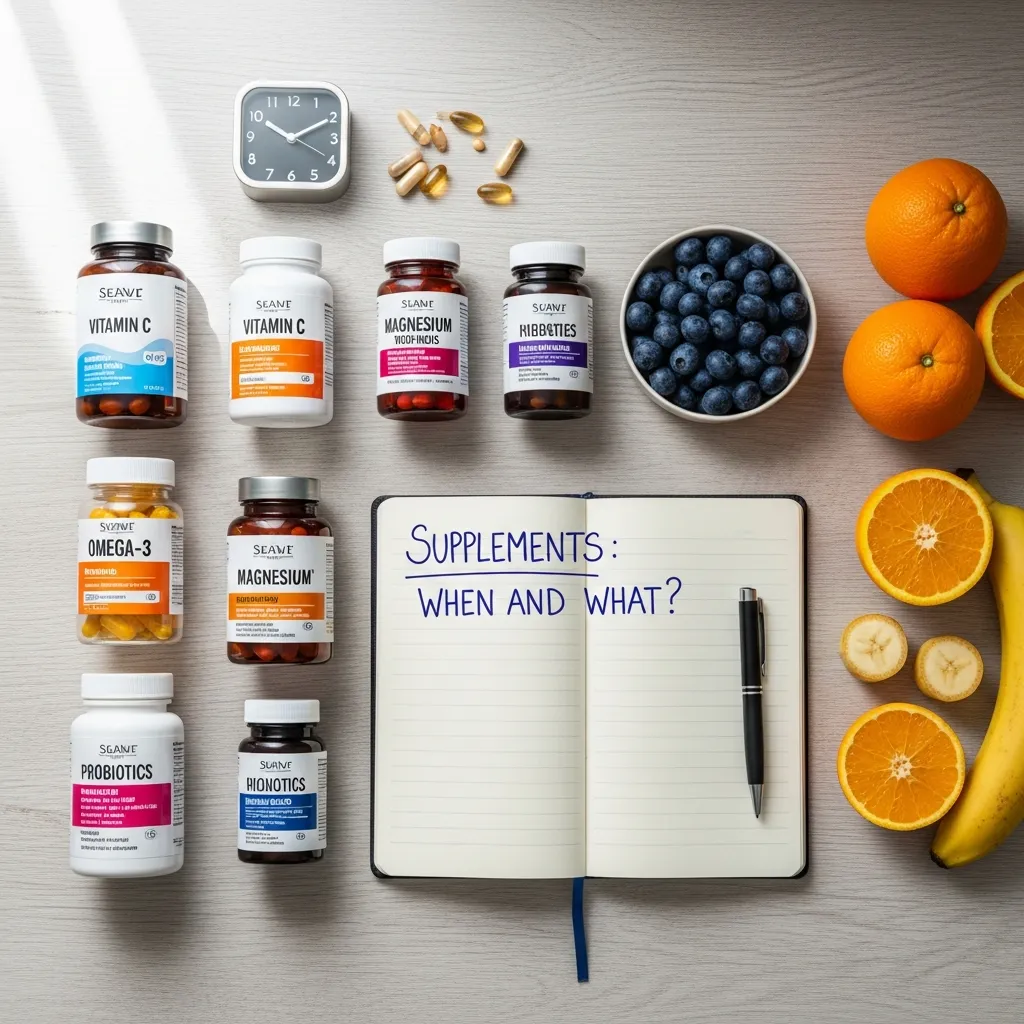
While getting nutrients from whole foods is always preferred, targeted supplementation is often necessary in thalassemia diet and wellness management.
Folic acid supplementation
Because of the rapid turnover of red blood cells, dietary folate is rarely enough. Most patients require a daily folic acid supplement prescribed by their doctor to prevent severe deficiency and support ongoing blood production.
Vitamin D and Calcium
If blood tests reveal low Vitamin D levels, a supplement is crucial for protecting your bone density. Your doctor may recommend a combined Vitamin D and Calcium supplement, particularly if you avoid dairy products. For more information on navigating the broader physical complications of the condition, review our resources on beta thalassemia symptoms.
Chelating agents
Chelating agents are not nutritional supplements; they are potent prescription medications designed to bind and remove excess iron from the body. Strict adherence to your prescribed chelation therapy is arguably the most vital component of preventing organ damage in transfusion-dependent patients.
Importance of physician consultation
Never start a new vitamin or herbal supplement without explicit approval from your hematology team. Certain over-the-counter supplements, particularly those containing Vitamin C or hidden iron, can be highly dangerous and actively disrupt your thalassemia diet and wellness progress.
Dispelling Myths and Addressing Common Concerns
Misinformation about chronic illness is rampant. Clearing up these misconceptions ensures you follow safe, evidence-based practices.
Misconceptions about iron in Thalassemia diet
A widespread myth is that all anemia should be treated with high-iron diets or iron pills. Because thalassemia is a genetic production issue, not a dietary deficiency, taking iron supplements without medical supervision is incredibly dangerous. It can rapidly accelerate fatal iron overload.
The role of traditional remedies
Many cultures promote traditional herbal teas and tonics for “cleaning the blood.” While some herbal teas (like black tea) can safely inhibit iron absorption, others may interfere with your prescription medications or damage your liver. Always cross-reference traditional remedies with your physician or refer to global health standards outlined by organizations like the World Health Organization (WHO).
Living Well with Thalassemia: Practical Tips for Daily Life
Adopting a thalassemia diet and wellness lifestyle is an ongoing journey. Practical communication and self-advocacy make the process much smoother.
Communicating with healthcare providers
Keep a dedicated health journal. Record your daily energy levels, your dietary habits, and any side effects from your medications. Bring this journal to your appointments. Clear, detailed communication allows your doctors to provide highly personalized, effective care.
Advocating for your health
You are the foremost expert on your own body. If a specific treatment or dietary recommendation feels wrong or causes severe discomfort, speak up immediately. Ask questions until you fully understand the “why” behind every medical instruction you receive.
Building a support system
Surround yourself with family, friends, and peers who understand your thalassemia diet and wellness goals. Join local or online support groups to share recipes, exercise tips, and emotional encouragement. A strong community significantly lightens the psychological load of managing a chronic illness.
Empowering Your Thalassemia Diet and Wellness Journey
 Mastering your health requires patience, education, and consistent effort. By prioritizing a balanced diet, carefully managing your micronutrient intake, and adopting positive lifestyle habits, you actively protect your long-term health.
A dedicated thalassemia diet and wellness routine does more than just manage symptoms; it provides you with the sustained energy and physical resilience needed to pursue your personal and professional goals. Stay closely connected with your medical team, advocate for your needs, and trust in the power of your daily habits. With the right strategies in place, you can successfully navigate the complexities of this condition and enjoy a vibrant, active life.
