



Comprehensive thalassemia care involves daily wellness habits like balanced nutrition, regular medical checkups, exercise, and emotional support. These healthy lifestyle practices help manage symptoms, reduce complications, and improve overall quality of life for individuals living with thalassemia.

Translating nutritional knowledge into daily practice requires consistent planning. Use the “plate method” to balance your meals visually. Fill half your plate with vegetables, a quarter with lean protein, and a quarter with complex carbohydrates. For more detailed strategies on building a supportive diet, explore this comprehensive guide on thalassemia diet and wellness.
Physical Activity and Exercise Guidelines
Movement is a powerful tool for enhancing cardiovascular fitness, building bone density, and boosting your mood. While high-intensity workouts might not always be suitable, a tailored exercise routine provides massive benefits.
Benefits of Exercise for Thalassemia Patients
Regular physical activity strengthens your heart, improves circulation, and promotes joint health. It also triggers the release of endorphins, which act as natural mood elevators. Staying active helps combat the profound fatigue associated with chronic anemia by making your body’s oxygen delivery systems more efficient over time.
Recommended Low-Impact Activities
Low-impact exercises are generally the safest choices for Comprehensive Thalassemia Care. Brisk walking, swimming, and stationary cycling improve stamina without placing excessive stress on your skeletal system. Practicing yoga or Pilates can significantly improve your flexibility, balance, and posture.
Precautions and When to Avoid Exercise
You must always listen to your body. If you are experiencing a severe drop in hemoglobin levels or battling a current infection, you should prioritize rest. Never push through severe dizziness, shortness of breath, or joint pain. Modify your activity levels based on how you feel each day.
Incorporating Movement into Daily Routines
You do not need an expensive gym membership to stay active. Park further away from store entrances, take the stairs instead of the elevator, or commit to a fifteen-minute stretching routine before bed. Small, consistent movements compound over time to create substantial health improvements.
Managing Fatigue and Improving Sleep Quality
 Exhaustion is a frequent companion for anyone living with a blood disorder. Managing this symptom effectively is a cornerstone of Comprehensive Thalassemia Care.
Understanding Thalassemia-Related Fatigue
Thalassemia-related fatigue is a deep, cellular exhaustion caused by a lack of oxygen reaching your tissues. It is fundamentally different from normal tiredness. Recognizing this distinction helps you avoid feelings of guilt when you simply cannot maintain a highly demanding schedule. If you are noticing new or worsening patterns of exhaustion, reviewing common beta thalassemia symptoms can help you understand when to contact your doctor.
Strategies for Energy Conservation
Pacing yourself is crucial. Break large tasks into smaller, manageable steps. If you have a busy week ahead, schedule mandatory rest periods between activities. Delegate household chores when possible, and learn to say no to social obligations that drain your energy reserves.
Optimizing Your Sleep Environment
Sleep is the primary time your body repairs damaged tissues. Create a sanctuary that promotes deep rest. Keep your bedroom cool, dark, and quiet. Invest in blackout curtains and a comfortable mattress. Remove televisions and work materials from your sleeping space to train your brain to associate the room entirely with rest.
Relaxation Techniques for Better Sleep
Establish a calming routine to signal to your body that it is time to wind down. Avoid looking at bright screens for at least an hour before bed. Instead, try reading a book, practicing deep diaphragmatic breathing, or listening to gentle music.
Mental and Emotional Well-being
Managing a chronic condition requires immense psychological resilience. Emotional health is just as critical as physical stability in Comprehensive Thalassemia Care.
The Psychological Impact of Chronic Illness
The physical demands of the illness, combined with frequent hospital visits, can easily lead to stress, anxiety, or emotional exhaustion. Acknowledging these complex feelings is the first step toward better mental health. It is completely normal to feel overwhelmed or frustrated by the limitations your condition imposes.
Coping Mechanisms and Stress Reduction
Incorporate stress reduction techniques into your daily schedule. Mindfulness meditation, journaling, and progressive muscle relaxation can calm your nervous system and improve your emotional baseline. Dedicating just ten minutes a day to these practices yields significant psychological benefits.
The Importance of Support Networks
Cultivating a reliable support network provides practical assistance and deep emotional comfort. Educate your close friends and family about your condition so they can understand your energy limitations. Connecting with the broader patient community through local or online support groups offers a unique kind of empathy that only comes from shared experiences.
When to Seek Professional Help
Do not hesitate to seek professional counseling if you feel consistently overwhelmed. A therapist experienced in chronic illness can equip you with practical coping mechanisms tailored to your specific situation. Prioritizing your emotional health is a vital element of complete thalassemia self-care.
Adherence to Medical Treatments and Monitoring
While lifestyle habits are incredibly important, they must operate in tandem with clinical interventions. Strict adherence to your medical protocol prevents severe complications.
Regular Blood Transfusions and Chelation Therapy
For individuals with moderate to severe forms of the disorder, regular blood transfusions are a life-saving necessity. These transfusions replenish healthy red blood cells, allowing for normal growth and improved energy. Following your transfusion schedule closely is non-negotiable. Additionally, you must adhere strictly to your chelation therapy to remove excess iron and prevent fatal organ damage.
Importance of Routine Check-ups and Screenings
Routine check-ups with a specialized hematologist allow for the early detection of potential issues. These appointments involve comprehensive laboratory testing, including complete blood counts and serum ferritin tests. Annual bone density scans and specialized MRIs are also highly recommended to catch early signs of osteoporosis or organ iron deposition.
Understanding Your Medication Regimen
You are the primary manager of your health. Take the time to understand exactly what each medication does and what side effects to watch for. Keep a detailed log of your dosages and refill dates to avoid missing any treatments.
Communication with Your Healthcare Team
Clear, detailed communication allows your doctors to provide highly personalized care. Bring a health journal to your appointments, noting your daily energy levels and any new physical symptoms. For a broader perspective on establishing effective medical partnerships, review resources provided by the Centers for Disease Control and Prevention (CDC).
Preventive Measures and Infection Control
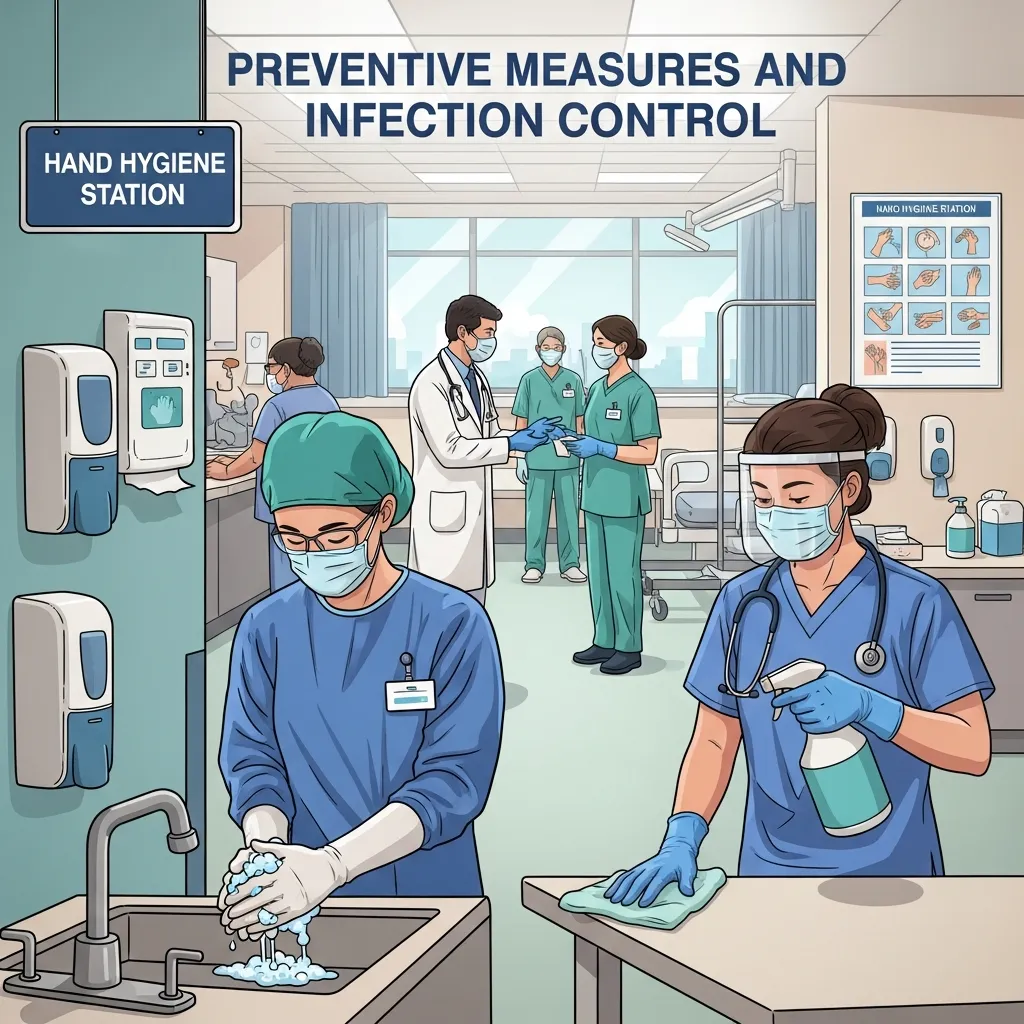 Because the condition and its treatments can compromise your immune system, proactive infection control is a vital pillar of Comprehensive Thalassemia Care.
Vaccinations for Thalassemia Patients
Staying up to date on all recommended vaccinations is critical. Annual flu shots, pneumococcal vaccines, and hepatitis immunizations provide an essential layer of defense against common pathogens.
Hand Hygiene and General Infection Prevention
Diligent handwashing is your first line of defense against illness. Use soap and warm water frequently, especially before eating and after using the restroom. Avoid crowded, enclosed spaces during peak cold and flu seasons, and respectfully ask sick friends or family members to delay their visits until they are fully recovered.
Recognizing Signs of Infection and When to Act
You must act quickly if you suspect an infection. A fever is often the first warning sign. If your temperature spikes, contact your healthcare provider immediately. Prompt treatment of minor infections prevents them from escalating into severe medical emergencies. Organizations like the World Health Organization (WHO) emphasize early intervention as a global standard for managing genetic blood disorders.
Living with Thalassemia: Practical Daily Tips
Integrating wellness strategies into your day-to-day life does not have to be overly complicated. Small adjustments make a massive difference.
Building a Thalassemia-Friendly Lifestyle
Create routines that support your physical boundaries. Prep your meals in advance on days when your energy is high. Keep healthy snacks readily available to prevent energy dips between meals. Organize your living space so that essential items are easy to reach, reducing unnecessary physical strain.
Empowering Self-Management
Taking ownership of your health builds confidence. Keep a dedicated medical binder with all your lab results, appointment summaries, and emergency contacts. This organized approach empowers you to make informed decisions and reduces the anxiety associated with medical emergencies.
Advocating for Your Health Needs
You are the foremost expert on your own body. If a specific treatment feels wrong or causes severe discomfort, speak up immediately. Ask questions until you fully understand every medical instruction you receive. Do not be afraid to request workplace or academic accommodations to ensure your health needs are respected.
