

Close Menu

    Subscribe to Updates

    Get the latest creative news from FooBar about art, design and business.

    What's Hot

    Thalassemia Diet Foods to Avoid: A Complete Guide to Managing Iron Intake and Nutrition

    June 11, 2026

    How to Monitor Thalassemia at Home: A Practical Guide

    June 10, 2026

    Blood Test for Anemia vs Thalassemia: Key Differences

    June 8, 2026
    Facebook X (Twitter) Instagram
    Trending
    • Thalassemia Diet Foods to Avoid: A Complete Guide to Managing Iron Intake and Nutrition
    • How to Monitor Thalassemia at Home: A Practical Guide
    • Blood Test for Anemia vs Thalassemia: Key Differences
    • Hemoglobin Electrophoresis Explained: A Complete Guide
    • When to Get Thalassemia Screening: A Complete Guide to Early Detection and Prevention
    • How Much Does a Thalassemia Test Cost?
    • How to read CBC for thalassemia: A complete monitoring guide
    • Living Well with Thalassemia Guide: Your Ultimate Path
    Facebook X (Twitter) Instagram
    My BlogMy Blog
    • Homepage
    • About us
    • Contact us
    My BlogMy Blog
    Home»Thalassemia Awareness»How to read CBC for thalassemia: A complete monitoring guide
    Thalassemia Awareness

    How to read CBC for thalassemia: A complete monitoring guide

    Sammy WillmsBy Sammy WillmsMay 20, 2026Updated:May 20, 2026No Comments5 Views
    Facebook Twitter Pinterest LinkedIn WhatsApp Reddit Tumblr Email
    How to read CBC for thalassemia
    Share
    Facebook Twitter LinkedIn Pinterest Email

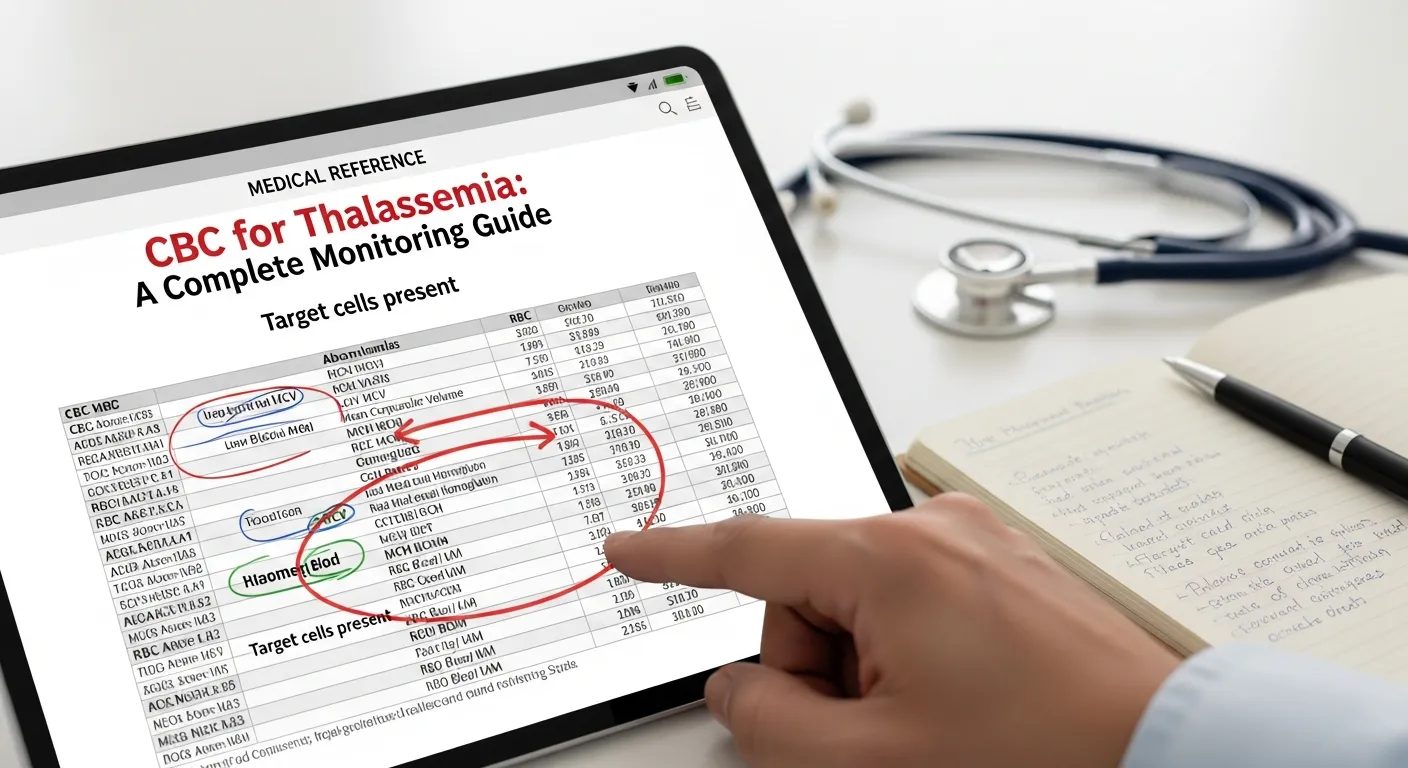
    Learning how to read CBC for thalassemia involves analyzing key blood parameters like low MCV, low MCH, and reduced hemoglobin levels. These indicators help identify microcytic anemia patterns and support early diagnosis and management of thalassemia.
    How to Read CBC for Thalassemia – Extended Guide

    If you want to know how to read CBC for thalassemia, look for low hemoglobin levels paired with a low Mean Corpuscular Volume (MCV), which indicates small red blood cells. Additionally, a normal or high Red Blood Cell (RBC) count alongside a normal or slightly elevated Red Cell Distribution Width (RDW) often helps differentiate thalassemia traits from standard iron deficiency anemia.

    Understanding your blood work is a critical step in managing chronic genetic disorders. When patients first receive a thalassemia diagnosis, the sheer volume of medical data can feel overwhelming. Healthcare providers frequently run a Complete Blood Count (CBC) to check the health of your red blood cells, white blood cells, and platelets. Learning how to read CBC for thalassemia empowers you to take an active role in your healthcare journey, allowing you to ask your hematologist more informed and confident questions.

    A CBC provides a snapshot of your current health. Because thalassemia affects how your body produces hemoglobin—the protein responsible for carrying oxygen throughout your system—your blood counts will look distinctly different from someone without the condition. By identifying patterns in your specific biomarkers such as MCV, MCH, RBC count, and hemoglobin levels, you can track the severity of your anemia and measure how well you respond to current therapies.

    Key CBC Patterns in Thalassemia

    When learning how to read CBC for thalassemia, it is important to focus on specific patterns rather than isolated values. Common findings include:

    • Low Hemoglobin (Hb): Indicates anemia severity
    • Low MCV: Shows microcytic (small) red blood cells
    • Low MCH: Suggests reduced hemoglobin per cell
    • Normal or High RBC Count: A compensatory response by the bone marrow
    • Normal RDW: Helps distinguish thalassemia from iron deficiency anemia

    Recognizing these patterns makes it easier to interpret results accurately and avoid confusion with other types of anemia.

    Importance of CBC Interpretation in Long-Term Care

    Knowing how to read CBC for thalassemia is not only useful for diagnosis but also essential for ongoing disease management. Regular monitoring helps detect changes in disease severity, response to treatment, and the need for interventions such as transfusions or iron chelation therapy. It also plays a key role in building a long-term blood monitoring plan tailored to individual patient needs.

    Empowering Patients Through Knowledge

    This guide breaks down the science of blood testing into clear, actionable steps. You will discover exactly how to read CBC for thalassemia, how to build a personalized long-term blood monitoring plan, and what modern technologies can simplify this process. Tools like digital health records, AI-based lab interpretation, and patient monitoring apps are making it easier than ever to understand complex blood reports.

    Armed with this knowledge, you can confidently navigate your laboratory results and collaborate effectively with your healthcare team while taking control of your thalassemia management journey.

    Why is a long-term blood monitoring plan important for thalassemia?

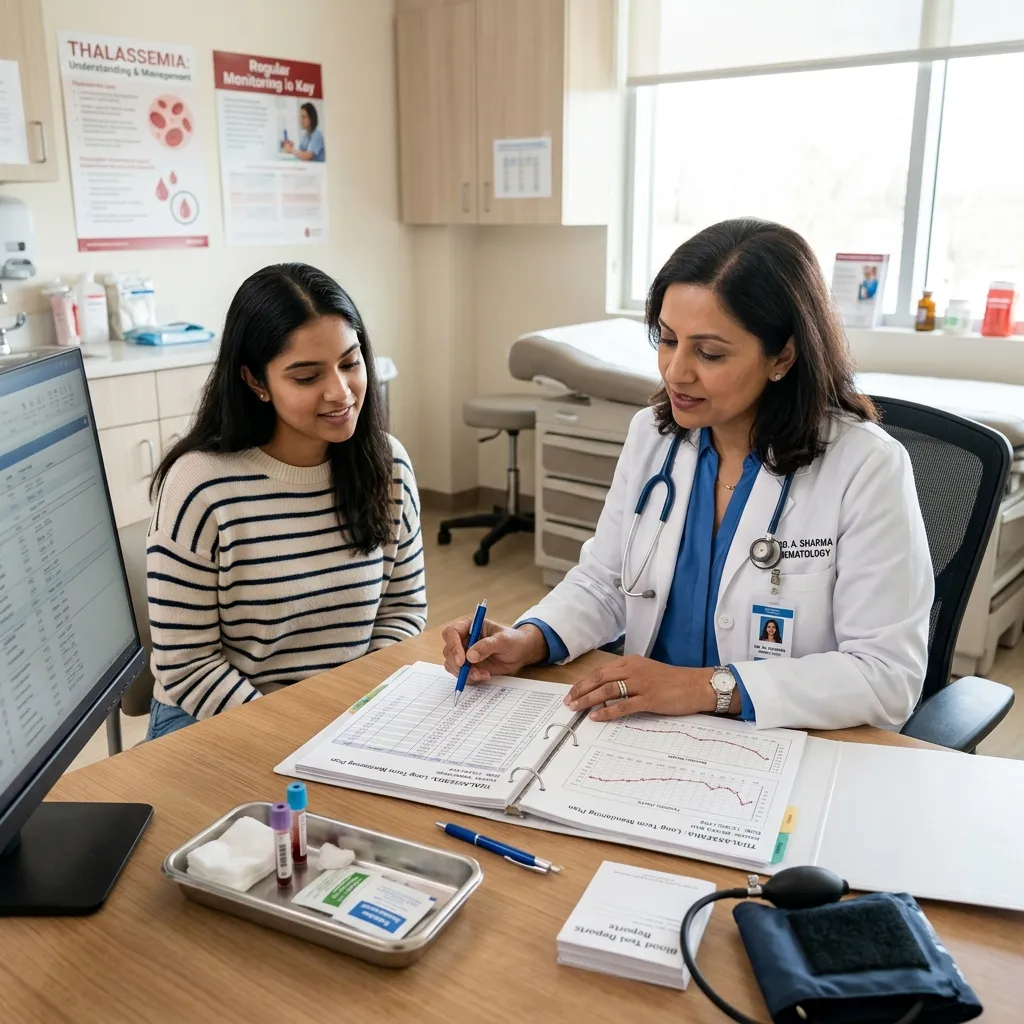
    Long-term blood monitoring for thalassemiaConsistent blood monitoring serves as the foundation for managing chronic hematological conditions. Regular testing ensures that healthcare providers catch subtle changes in blood chemistry before they develop into severe complications. For individuals with thalassemia, hemoglobin levels can fluctuate based on stress, infection, inflammation, or the timing of blood transfusions.

    A well-structured blood monitoring plan for thalassemia helps track these variations in a controlled and systematic way, ensuring timely intervention when needed. Without consistent follow-up, worsening anemia or iron overload may go unnoticed until symptoms become severe.

    Many chronic conditions demand strict, long-term blood monitoring. Patients with diabetes track HbA1c levels, while those with chronic kidney disease monitor creatinine and glomerular filtration rates. Similarly, for thalassemia patients, monitoring red blood cell indices, ferritin levels, and hemoglobin trends is essential to prevent complications such as severe anemia and iron overload.

    One of the biggest risks in thalassemia management is iron overload from repeated blood transfusions. Over time, excess iron can accumulate silently in vital organs such as the heart, liver, and endocrine glands, potentially leading to life-threatening conditions like heart failure, liver cirrhosis, or hormonal imbalance. A structured blood monitoring plan for thalassemia allows clinicians to detect iron buildup early and adjust iron chelation therapy accordingly.

    Importance of Personalized Monitoring

    Personalized monitoring plans remove guesswork from medical care. Instead of following a generic schedule, a blood monitoring plan for thalassemia is tailored to factors such as genetic type, age, transfusion history, and overall health status. For example, a patient with beta thalassemia major requires frequent monitoring, while a carrier of alpha thalassemia trait may only need periodic checkups.

    This individualized approach ensures patients receive the right level of care without unnecessary testing or missed complications. It also improves long-term outcomes by optimizing treatment timing and reducing disease-related risks.

    Role in Long-Term Disease Stability

    A structured blood monitoring strategy also helps evaluate treatment effectiveness. Physicians can assess how well transfusions are maintaining hemoglobin levels or whether iron chelation therapy is effectively controlling iron overload. Over time, this continuous feedback loop allows for better disease control and improved quality of life.

    Ultimately, a blood monitoring plan for thalassemia is not just about routine testing—it is a proactive strategy that supports early detection, personalized care, and long-term health stability.

    What are the key components of a comprehensive blood monitoring plan?

    A successful blood monitoring routine requires organization and a clear understanding of your specific medical targets. Establishing this plan involves identifying the correct biomarkers, setting a testing schedule, and learning how to interpret the data.

    Which specific biomarkers should you monitor?

    To effectively understand how to read CBC for thalassemia, you must identify the key biomarkers that define the condition. The Complete Blood Count evaluates several critical components:

    • Hemoglobin (Hb): This measures the total amount of oxygen-carrying protein in the blood. Thalassemia patients typically present with low hemoglobin levels.
    • Mean Corpuscular Volume (MCV): This indicates the average size of your red blood cells. A low MCV (microcytosis) is a primary indicator of thalassemia.
    • Red Blood Cell (RBC) count: This tallies the total number of red blood cells. Interestingly, individuals with a thalassemia trait often have a normal or slightly elevated RBC count, as the body attempts to compensate for the smaller cell size.
    • Red Cell Distribution Width (RDW): This measures the variation in red blood cell size. In thalassemia traits, RDW is usually normal, whereas it tends to be high in iron deficiency anemia.

    Beyond the CBC, thalassemia patients must frequently monitor their serum ferritin levels. According to the Centers for Disease Control and Prevention (CDC), monitoring ferritin helps doctors track iron accumulation in the body, which dictates the need for iron chelation therapy.

    How frequently should you schedule blood tests?

    The frequency of your blood tests depends entirely on the severity of your condition. Patients receiving regular blood transfusions may require a CBC every two to four weeks to determine their immediate need for donor blood. Those managing milder forms of the disease might only need testing every six to twelve months during their routine physical exams. Consult your hematologist to establish a schedule that adequately tracks your biomarkers without causing undue laboratory fatigue.

    How can you interpret blood test results effectively?

    Interpreting your laboratory results requires looking at the holistic picture rather than panicking over a single abnormal number. Laboratories provide a reference range next to your specific result. Because you have a genetic blood disorder, your “normal” baseline will likely fall outside the standard reference range. Keep a personal log of your past results. If your hemoglobin typically sits at 9.0 g/dL, a drop to 8.5 g/dL warrants a conversation with your doctor, whereas a patient without thalassemia would find both numbers alarmingly low.

    Which technologies and tools enhance long-term blood monitoring?
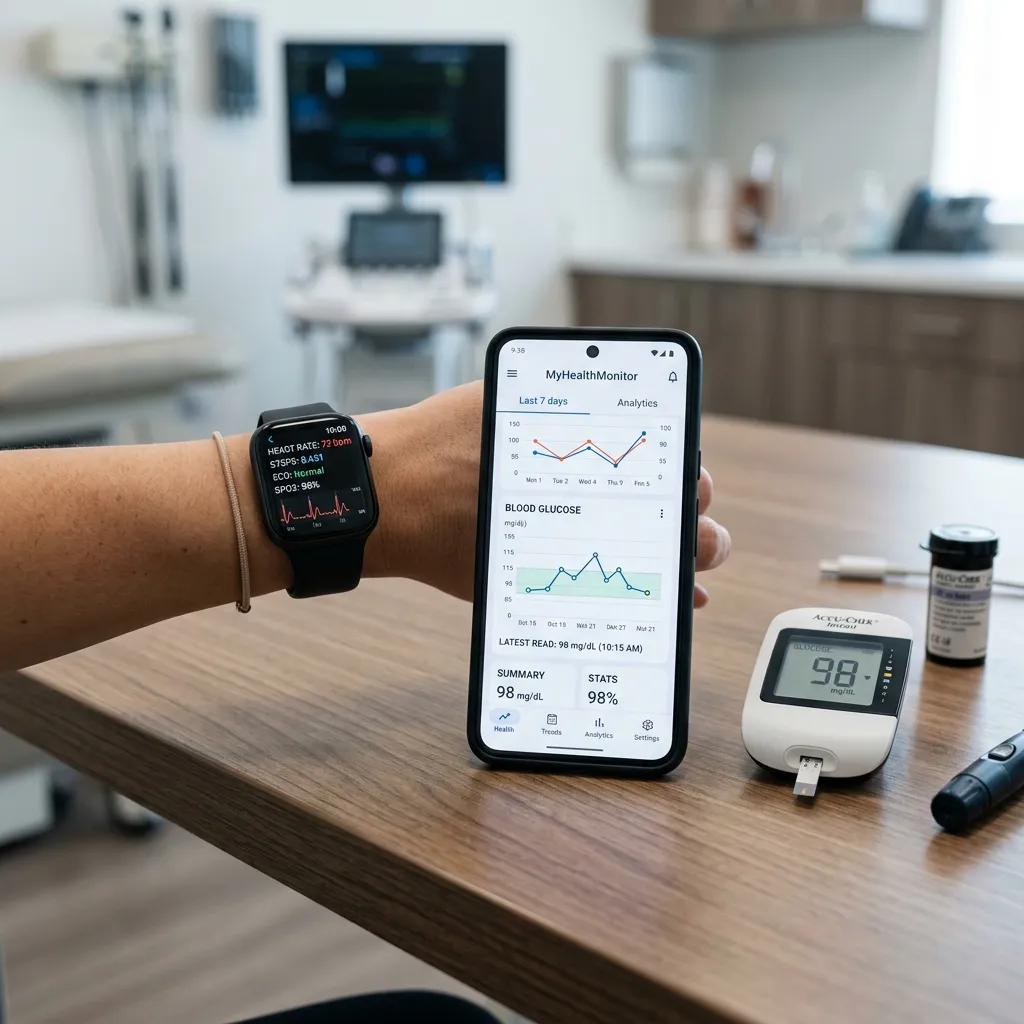
    Tools for blood monitoringMedical technology is advancing rapidly, providing patients with innovative ways to track their health data outside the traditional clinic setting.

    How do wearable devices and at-home testing kits help?

    Wearable fitness trackers and smartwatches now monitor resting heart rate, blood oxygen saturation (SpO2), and sleep quality. While a smartwatch cannot run a CBC, tracking a sudden drop in your blood oxygen saturation can serve as an early warning sign of worsening anemia. Additionally, FDA-approved at-home blood testing kits allow patients to collect a small capillary blood sample via a finger prick. You can mail this sample to a certified laboratory to check specific markers like ferritin or Vitamin D, reducing the frequency of hospital visits.

    Why use digital health platforms for data tracking?

    Managing years of paper laboratory records is highly inefficient. Digital health platforms and patient portals allow you to consolidate your medical history in one secure location. Applications like Apple Health or dedicated chronic disease management apps can automatically graph your hemoglobin and MCV levels over time. Visualizing your data on a chart makes it significantly easier to spot long-term trends and identify exactly how to read CBC for thalassemia based on your unique baseline.

    What is the future of AI in blood monitoring?

    Artificial intelligence is reshaping hematology. AI-driven diagnostic tools can now analyze blood smears with incredible precision, identifying abnormally shaped red blood cells faster than human technicians. In the near future, predictive AI algorithms will likely analyze your historical CBC data to forecast when you will require your next transfusion, optimizing your treatment schedule and preventing severe symptomatic episodes before they occur.

    What are the special considerations for specific concurrent conditions?

    Thalassemia rarely exists in a vacuum. Many patients manage concurrent health conditions that complicate their blood monitoring plans. Understanding how these diseases interact ensures comprehensive medical care.

    How does diabetes affect blood monitoring?

    Patients with thalassemia who develop diabetes—often as a secondary complication of iron overload in the pancreas—face unique monitoring challenges. The standard test for long-term glycemic control, HbA1c, measures glucose attached to hemoglobin. Because thalassemia alters the lifespan and structure of red blood cells, HbA1c results are frequently inaccurate for these patients. Endocrinologists must often rely on continuous glucose monitors (CGMs) or alternative markers like fructosamine to accurately measure blood sugar.

    What cardiovascular disease markers require tracking?

    Iron deposition severely damages the heart muscle, making cardiovascular monitoring a top priority. In addition to a standard CBC, your doctor will track lipid profiles (cholesterol and triglycerides) and inflammatory markers like High-Sensitivity C-Reactive Protein (hs-CRP). Elevated inflammatory markers indicate stress on the cardiovascular system.

    How do you track anemia and specific blood disorders?

    When monitoring chronic blood disorders, you must consistently evaluate your red blood cell indices. If you want to know how to read CBC for thalassemia, you must also understand how it differs from other anemias. Choose careful tracking of your MCV and RBC count if differentiating between thalassemia and iron deficiency matters for your treatment protocol. Be sure to review beta thalassemia symptoms with your doctor, as recognizing physical signs of fatigue and jaundice provides essential context for your laboratory results.

    Why are autoimmune diseases and inflammatory markers important?

    If a patient develops an autoimmune condition, their immune system mistakenly attacks healthy tissue. This creates systemic inflammation, which can temporarily suppress red blood cell production in the bone marrow. Monitoring Erythrocyte Sedimentation Rate (ESR) alongside your CBC helps distinguish between anemia caused by your thalassemia and anemia exacerbated by a sudden autoimmune flare-up.

    How is cancer surveillance integrated into blood testing?

    For patients with a history of cancer, long-term blood monitoring involves tracking specific tumor markers. Proteins like CA-125 or PSA are measured to ensure the cancer remains in remission. Your hematologist and oncologist must collaborate closely to ensure cancer treatments, which often suppress bone marrow function, do not dangerously compound your thalassemia-related anemia.

    How do you build a personalized long-term blood monitoring plan?

    Creating a functional monitoring plan requires proactive collaboration and a willingness to adapt as your health evolves over the years. A personalized blood monitoring plan for thalassemia helps ensure that patients receive the right tests at the right time while reducing the risk of complications associated with chronic anemia and iron overload.

    Why is collaboration with healthcare providers essential?

    You cannot manage a complex genetic disorder alone. Building a solid blood monitoring plan for thalassemia requires a multidisciplinary approach involving a hematologist, a primary care physician, and potentially an endocrinologist or cardiologist. Schedule an annual comprehensive review to discuss your testing schedule. Clear communication ensures all your specialists have access to your latest CBC results, preventing redundant testing and conflicting medical advice.

    Learning how to read CBC for thalassemia also improves communication with healthcare professionals by helping patients better understand changes in hemoglobin, MCV, RBC count, and other important blood markers.

    How do lifestyle factors influence blood test results?

    Your daily habits directly impact your laboratory results. Severe dehydration concentrates your blood, artificially inflating your hemoglobin and RBC numbers. High-intensity exercise right before a blood draw can temporarily elevate your white blood cell count. To ensure accurate results, maintain consistent hydration and avoid strenuous workouts 24 hours prior to your scheduled laboratory visit.

    Lifestyle consistency is an important part of maintaining an accurate blood monitoring plan for thalassemia because even temporary changes in hydration, nutrition, stress, or sleep can influence CBC values and overall blood chemistry.

    When should you adjust the plan based on evolving health needs?

    Updating blood monitoring plansA monitoring plan designed for a teenager will not serve a patient entering their forties. As you age, your risk for secondary complications increases. Pregnancy, menopause, or the introduction of a new medication all necessitate adjustments to your testing frequency. Adopting comprehensive thalassemia care means remaining flexible and allowing your medical team to update your protocols based on your most current health status.

    What are the main challenges and solutions in long-term blood monitoring?

    Committing to a lifetime of medical testing presents distinct logistical and psychological hurdles. Acknowledging these challenges helps you develop robust coping strategies while improving your overall blood monitoring plan for thalassemia.

    How can you improve adherence to testing schedules?

    Testing fatigue is a documented medical phenomenon where patients simply burn out from endless clinic visits. To improve adherence, integrate your blood tests into your existing routine. Schedule your laboratory visits on the same day of the week, or coordinate them with your regular pharmacy trips. Utilize calendar alerts and automated reminders from your patient portal to ensure you never miss a critical draw.

    A consistent blood monitoring plan for thalassemia becomes much easier to maintain when testing is incorporated into daily life habits and supported by digital scheduling tools.

    How do you manage anxiety related to results?

    “Scanxiety”—the fear of receiving bad medical news—can cause extreme distress in the days leading up to a blood test. Manage this anxiety by learning exactly how to read CBC for thalassemia. When you understand the science behind the numbers, the results feel less intimidating. Discuss your anxiety with your doctor; they can often provide results via a secure message with context, rather than forcing you to interpret raw data alone.

    Understanding how to read CBC for thalassemia also gives patients greater confidence and a stronger sense of control over their health journey.

    What are the best practices for ensuring data privacy?

    As you compile years of sensitive health data on digital platforms, privacy becomes a valid concern. Protect your information by using strong, unique passwords for your patient portals. Enable two-factor authentication (2FA) wherever possible. If you use third-party health tracking apps, read their privacy policies carefully to ensure they do not sell your medical data to outside advertisers.

    Protecting personal medical records is an essential part of maintaining a secure and reliable blood monitoring plan for thalassemia in the digital healthcare era.

    Why is a holistic approach vital for overall health management?

    Focusing entirely on your laboratory results creates a narrow view of your actual well-being. True health management requires addressing your physical, mental, and emotional needs simultaneously.

    How do you integrate blood monitoring with overall wellness strategies?

    Your CBC results represent a single piece of the puzzle. Integrating your medical data with holistic wellness strategies ensures a higher quality of life. For instance, if your blood tests reveal low Vitamin D levels—a common issue for thalassemia patients—you can immediately adjust your outdoor activities and supplementation. Embrace holistic strategies for thriving with thalassemia by treating your blood work as a guidepost rather than a definitive grade on your health.

    What role do nutrition, exercise, and stress management play?

    Nutrition directly influences your energy levels and organ health. Because you must avoid excess iron, adopting specific nutritional strategies for thalassemia is critical. Pair a balanced, low-iron diet with moderate, low-impact exercise like swimming or walking to support cardiovascular health. Finally, chronic stress elevates cortisol, which can negatively impact immune function. Incorporate mindfulness, deep breathing, or yoga into your daily routine to keep physiological stress at bay.

    How does proactive monitoring empower your long-term health?
    Proactive long-term health monitoringTaking charge of your medical data transforms you from a passive patient into an empowered health advocate. Knowing how to read CBC for thalassemia allows you to decipher the complex language of hematology, giving you a clear window into your body’s daily functions.

    A well-executed long-term blood monitoring plan for thalassemia protects your vital organs, optimizes your treatment schedule, and provides profound peace of mind. By collaborating closely with your healthcare providers, leveraging new digital health tools, and maintaining a holistic lifestyle, you can confidently navigate the challenges of chronic anemia. This type of blood monitoring plan for thalassemia ensures early detection of complications and supports better long-term outcomes.

    Stay engaged with your medical team, ask detailed questions about your laboratory results, and utilize resources from trusted organizations like the Mayo Clinic to continue expanding your health literacy.

    Conclusion

    Reading a CBC for thalassemia is an important skill in identifying characteristic patterns such as low hemoglobin, low MCV, and abnormal red blood cell indices. While CBC provides strong clues, it cannot confirm thalassemia on its own and must be combined with further diagnostic tests. Understanding these values helps in early detection, proper management, and better long-term care of patients with thalassemia.

    Frequently Asked Questions (FAQ)

    1. What is a CBC test and why is it used for thalassemia?

    A Complete Blood Count (CBC) is a standard blood test that measures the cells that make up your blood. For thalassemia patients, doctors use the CBC to measure hemoglobin levels, evaluate the size and shape of red blood cells, and determine the overall severity of the anemia.

    2. How do you read a CBC for thalassemia?

    To read a CBC for thalassemia, look specifically at the Hemoglobin (Hb), which will be low, and the Mean Corpuscular Volume (MCV), which will also be low, indicating small red blood cells. A high Red Blood Cell (RBC) count with a normal Red Cell Distribution Width (RDW) usually points toward a thalassemia trait.

    3. How often should I get a CBC if I have thalassemia?

    Testing frequency depends on your specific diagnosis. Patients with transfusion-dependent thalassemia may need a CBC every 2 to 4 weeks. Those with non-transfusion-dependent thalassemia or a carrier trait may only need testing once or twice a year during routine checkups.

    4. What is the difference between thalassemia and iron deficiency anemia on a CBC?

    Both conditions cause low hemoglobin and low MCV. However, choose to look at the Red Blood Cell (RBC) count and RDW. Iron deficiency typically presents with a low RBC count and a high RDW. Thalassemia traits typically present with a normal or high RBC count and a normal RDW.

    5. Can lifestyle changes improve my CBC results if I have thalassemia?

    Because thalassemia is a genetic disorder, lifestyle changes cannot cure the condition or drastically change your baseline CBC numbers. However, staying hydrated, managing stress, and eating a medically appropriate diet can prevent further complications and help maintain your energy levels.

    6. Which CBC parameter is most important for detecting thalassemia?

    The most important CBC parameters are Hemoglobin (Hb), Mean Corpuscular Volume (MCV), and Mean Corpuscular Hemoglobin (MCH), as all are typically reduced in thalassemia.

    7. Can CBC alone confirm thalassemia?

    No, CBC can suggest thalassemia but cannot confirm it. Hemoglobin electrophoresis or genetic testing is needed for a definitive diagnosis.

    8. Why is MCV low in thalassemia?

    MCV is low because thalassemia causes the production of smaller-than-normal red blood cells (microcytosis) due to defective hemoglobin synthesis.

    9. What does a high RBC count mean in thalassemia CBC results?

    A high RBC count in thalassemia often indicates the body is trying to compensate for low hemoglobin by producing more red blood cells.

    10. Can CBC results change over time in thalassemia patients?

    Yes, CBC values can fluctuate depending on treatment, transfusions, infection, or disease severity, so regular monitoring is important.

    Blood Test Interpretation CBC Test Hematology How to Read CBC for Thalassemia Thalassemia Diagnosis
    Share. Facebook Twitter Pinterest LinkedIn Tumblr Telegram Email
    Sammy Willms
    Sammy Willms
    • Website

    Sammy Willms is an editor at ThalassemiaCareHub, focused on creating and refining content around health awareness, thalassemia education, and medical information. He simplifies complex healthcare and scientific concepts into clear, practical insights that help readers better understand blood disorders, treatment options, and modern approaches to patient care with ease.

    Related Posts

    Thalassemia Diet Foods to Avoid: A Complete Guide to Managing Iron Intake and Nutrition

    June 11, 2026

    How to Monitor Thalassemia at Home: A Practical Guide

    June 10, 2026

    Blood Test for Anemia vs Thalassemia: Key Differences

    June 8, 2026
    Leave A Reply Cancel Reply

    Top Posts

    Holistic Strategies for Thriving with Thalassemia

    May 14, 202616

    Nutritional Strategies for Thalassemia: A Guide to Better Health

    May 18, 20269

    Ultimate Guide to Diet & Wellness for Thalassemia Management

    May 16, 20268

    Master Thalassemia Self-Care Strategies for Optimal Wellness

    May 13, 20268
    Don't Miss
    Thalassemia Awareness

    Thalassemia Diet Foods to Avoid: A Complete Guide to Managing Iron Intake and Nutrition

    By Sammy WillmsJune 11, 20262

    Discover thalassemia diet foods to avoid, including certain iron-rich foods and dietary habits that may…

    How to Monitor Thalassemia at Home: A Practical Guide

    June 10, 2026

    Blood Test for Anemia vs Thalassemia: Key Differences

    June 8, 2026

    Hemoglobin Electrophoresis Explained: A Complete Guide

    June 7, 2026
    Stay In Touch
    • Facebook
    • Twitter
    • Pinterest
    • Instagram
    • YouTube
    • Vimeo
    © 2026 Thalassemiacarehub. All Rights Reserved.
    • About us
    • Contact us
    • Privacy Policy
    • Terms & Conditions

    Type above and press Enter to search. Press Esc to cancel.