

Close Menu

    Subscribe to Updates

    Get the latest creative news from FooBar about art, design and business.

    What's Hot

    Thalassemia Diet Foods to Avoid: A Complete Guide to Managing Iron Intake and Nutrition

    June 11, 2026

    How to Monitor Thalassemia at Home: A Practical Guide

    June 10, 2026

    Blood Test for Anemia vs Thalassemia: Key Differences

    June 8, 2026
    Facebook X (Twitter) Instagram
    Trending
    • Thalassemia Diet Foods to Avoid: A Complete Guide to Managing Iron Intake and Nutrition
    • How to Monitor Thalassemia at Home: A Practical Guide
    • Blood Test for Anemia vs Thalassemia: Key Differences
    • Hemoglobin Electrophoresis Explained: A Complete Guide
    • When to Get Thalassemia Screening: A Complete Guide to Early Detection and Prevention
    • How Much Does a Thalassemia Test Cost?
    • How to read CBC for thalassemia: A complete monitoring guide
    • Living Well with Thalassemia Guide: Your Ultimate Path
    Facebook X (Twitter) Instagram
    My BlogMy Blog
    • Homepage
    • About us
    • Contact us
    My BlogMy Blog
    Home»Thalassemia Awareness»Hemoglobin Electrophoresis Explained: A Complete Guide
    Thalassemia Awareness

    Hemoglobin Electrophoresis Explained: A Complete Guide

    Sammy WillmsBy Sammy WillmsJune 7, 2026Updated:June 7, 2026No Comments6 Views
    Facebook Twitter Pinterest LinkedIn WhatsApp Reddit Tumblr Email
    Hemoglobin Electrophoresis Explained
    Share
    Facebook Twitter LinkedIn Pinterest Email

    Hemoglobin electrophoresis has limitations and may miss rare or complex genetic variants, so DNA testing is often needed for confirmation. Combined testing improves diagnosis accuracy, helps identify carriers, and supports better understanding and management of inherited blood disorders.
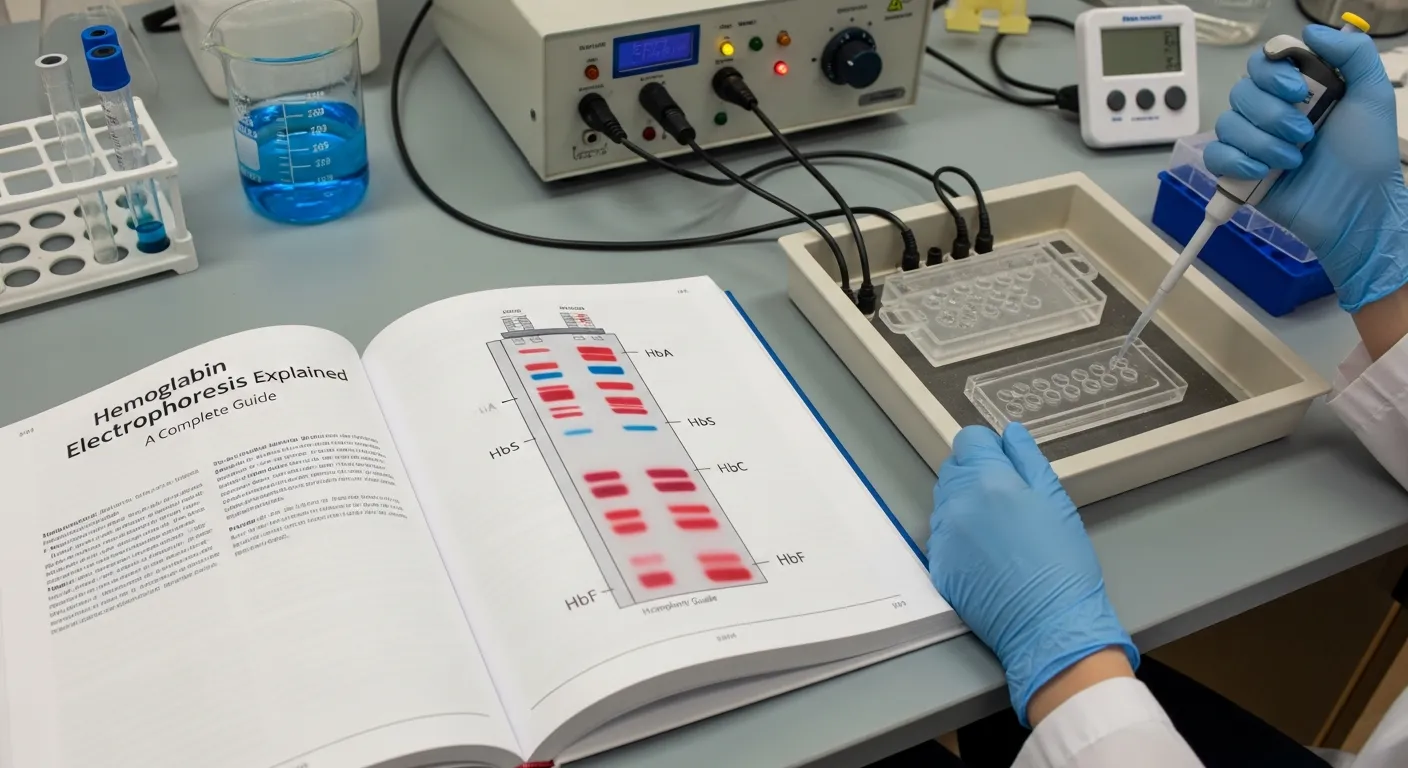
    Hemoglobin electrophoresis explained simply: it is a blood test that separates and measures the different types of hemoglobin in your blood. Doctors use it to diagnose conditions like thalassemia, sickle cell disease, and other hemoglobin disorders by identifying abnormal hemoglobin patterns and understanding how much of each type is present.

    Blood tests can feel like a foreign language. When a doctor mentions hemoglobin electrophoresis, many patients nod politely while quietly wondering what the test actually does. This guide changes that by breaking everything down in clear, simple terms. You will learn what hemoglobin electrophoresis measures, why it matters, what happens during the procedure, and how to interpret results with more confidence.

    Hemoglobin electrophoresis is one of the most important tools in diagnosing inherited blood disorders. While a complete blood count (CBC) can only suggest that something might be wrong, hemoglobin electrophoresis often provides the detailed confirmation needed for an accurate diagnosis. For families with a history of thalassemia, sickle cell disease, or unexplained anemia, this test can play a crucial role in early detection and long-term health planning.

    This process works by using an electric current to separate different types of hemoglobin based on their structure and movement. Normal hemoglobin and abnormal variants travel differently, allowing laboratory specialists to identify patterns that point toward specific conditions. This makes the test highly effective for detecting genetic blood disorders that might otherwise go unnoticed.

    Understanding hemoglobin electrophoresis explained in simple language also helps reduce anxiety around testing. Many patients worry when they are referred for this test, but in reality, it is a routine and safe procedure that only requires a standard blood sample. The results provide valuable insight without causing discomfort or risk.

    By the end of this article, you will understand the science behind hemoglobin electrophoresis, the conditions it detects, and the steps you can take after receiving your results. Whether you are a patient, a carrier, or simply learning for awareness, this knowledge helps you make informed decisions about your health and future.

    What Is Hemoglobin?

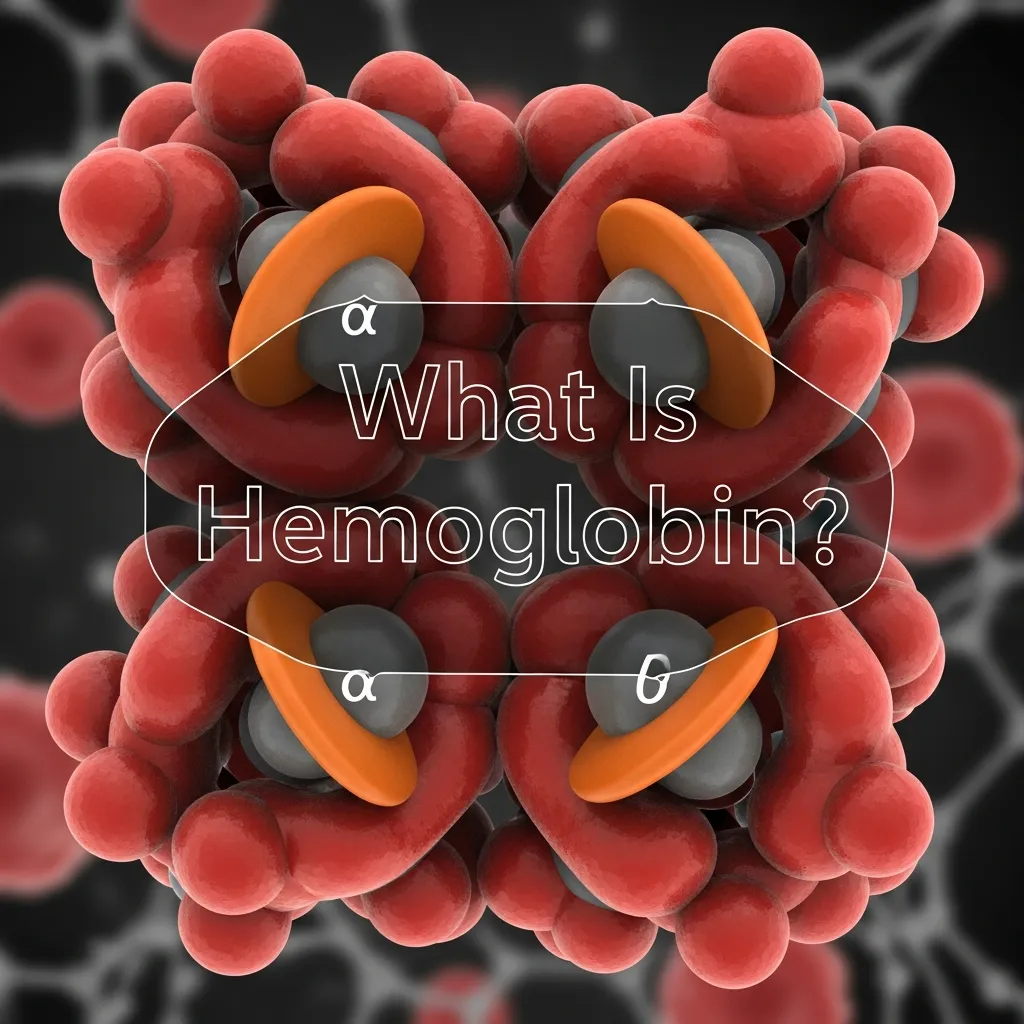
    Hemoglobin oxygen transport proteinHemoglobin is the protein inside your red blood cells that carries oxygen from your lungs to the rest of your body. It also helps transport carbon dioxide back to your lungs so you can breathe it out. Without enough healthy hemoglobin, your tissues struggle to get the oxygen they need, which can lead to fatigue, weakness, and shortness of breath.


    Each hemoglobin molecule is made of four protein chains called globins. The type and balance of these chains determine which form of hemoglobin your body produces. Genetic changes can alter these chains, creating abnormal hemoglobin variants that affect how efficiently oxygen is delivered throughout the body.

    What Is Hemoglobin Electrophoresis?

    Hemoglobin electrophoresis is a laboratory test that separates the different types of hemoglobin in a blood sample. Each hemoglobin type carries a slightly different electrical charge. When technicians apply an electric current to the sample, these types move at different speeds and form distinct bands. By analyzing these bands, the lab can identify which hemoglobin types are present and in what amounts.

    This level of detail is what makes the test so valuable. A standard blood count can suggest that something is wrong, but hemoglobin electrophoresis explained in clinical practice goes further by identifying exactly which abnormal hemoglobin type is involved and how much of it is present in the blood.

    Why Is Hemoglobin Electrophoresis Performed?

    Doctors order hemoglobin electrophoresis for several important clinical reasons. The most common is to investigate unexplained anemia that does not respond to iron therapy. The test is also used to confirm inherited blood disorders, screen carriers before pregnancy, and support newborn screening programs.

    You may need this test if you have a family history of thalassemia or sickle cell disease, abnormal CBC results, or symptoms such as chronic fatigue, pale skin, or unexplained weakness. Couples planning a family often request it to better understand genetic risks before conception.

    In many cases, hemoglobin electrophoresis explained simply means finding the root cause of abnormal red blood cell behavior when routine tests are not enough.

    The Science Behind Hemoglobin Electrophoresis

    Principles of Electrophoresis

    Electrophoresis works on a basic scientific principle: charged particles move through a medium when exposed to an electric field. In this test, a technician places a blood sample on a gel or membrane and applies an electric current.

    Because each hemoglobin type carries a unique electrical charge, the molecules migrate at different speeds and separate into distinct bands. The position and intensity of these bands allow laboratory specialists to measure the proportion of each hemoglobin type present.

    Types of Hemoglobin Separated

    A healthy adult produces several forms of hemoglobin. Hemoglobin electrophoresis can identify both normal and abnormal variants, making it a key tool in diagnosing blood disorders.

    • Hemoglobin A (HbA): The primary hemoglobin in healthy adults, making up about 95–98% of total hemoglobin.
    • Hemoglobin A2 (HbA2): A minor component that normally accounts for 2–3%. Elevated levels may indicate beta-thalassemia.
    • Hemoglobin F (HbF): Fetal hemoglobin, dominant in newborns and usually replaced after infancy. Persistently high levels in adults may suggest a disorder.
    • Hemoglobin S (HbS): The abnormal form responsible for sickle cell disease and sickle cell trait.
    • Other variants (HbC, HbE, etc.): These occur in specific populations and may lead to distinct hemoglobin disorders.

    The Procedure: What to Expect

    Sample Collection

    The test requires a simple blood draw from a vein in your arm. The procedure takes only a few minutes and usually does not require any special preparation. Most people can return to normal activities immediately afterward.

    Laboratory Process

    After collection, the sample is analyzed using gel electrophoresis or, in many modern laboratories, high-performance liquid chromatography (HPLC). These methods separate and measure hemoglobin types with high precision.

    The final report provides a detailed breakdown of each hemoglobin fraction, helping clinicians interpret results accurately. In this context, hemoglobin electrophoresis explained means translating complex laboratory patterns into clear diagnostic information that guides patient care.

    Interpreting the Results

    A specialist reviews your results against established reference ranges. They look at which hemoglobin types appear and whether any percentages fall outside the normal range. This analysis helps confirm or rule out specific blood disorders. Because your CBC and electrophoresis work together, your doctor often reviews both. If you want to understand the blood-count side of the picture, our guide on how to read CBC for thalassemia explains the key values to watch.

    Conditions Diagnosed by Hemoglobin Electrophoresis
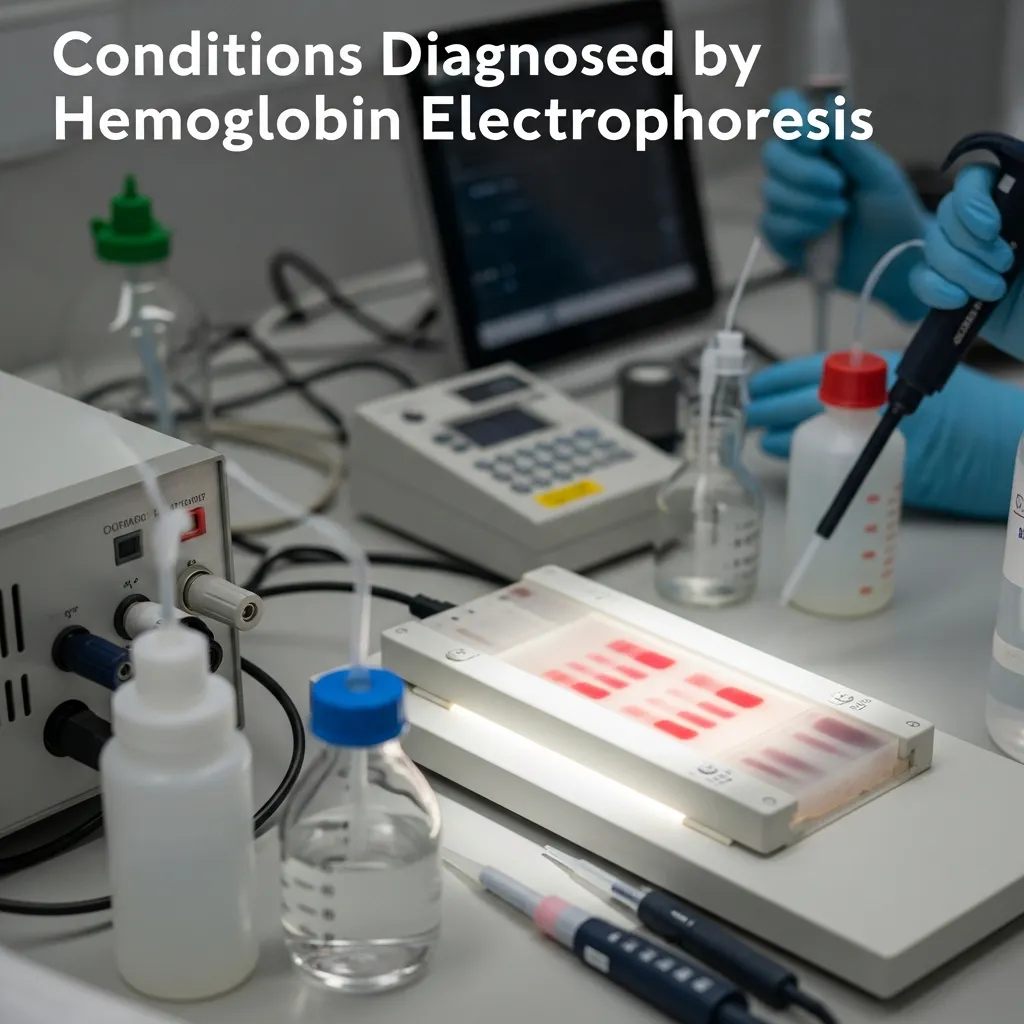
    Hemoglobin electrophoresis conditions

    Thalassemia Syndromes

    Thalassemia is a group of inherited disorders where the body makes too little normal hemoglobin. Hemoglobin electrophoresis helps classify the type and severity.

    Alpha-Thalassemia

    Alpha-thalassemia results from problems producing the alpha globin chains. Severity ranges from a silent carrier state to serious conditions detectable through abnormal hemoglobin patterns like Hemoglobin H or Hemoglobin Barts.

    Beta-Thalassemia (Minor, Intermedia, Major)

    Beta-thalassemia affects the beta globin chains and appears in three main forms. Beta-thalassemia minor often causes mild anemia, while beta-thalassemia major can require lifelong blood transfusions. An elevated HbA2 level is a classic sign of beta-thalassemia. To prepare for testing, see our guides on how to read CBC for thalassemia and when to get thalassemia screening.

    Sickle Cell Anemia and Sickle Cell Trait

    Sickle cell disease occurs when a person inherits two copies of the HbS gene, causing red blood cells to take on a rigid, crescent shape. People with sickle cell trait carry one copy and usually have few symptoms. Hemoglobin electrophoresis clearly distinguishes between the disease and the trait by measuring the amount of HbS present.

    Hemoglobin C, D, and E Diseases and Traits

    Variants like HbC, HbD, and HbE cause their own range of disorders and traits. These are more common in certain regions and ethnic groups. Hemoglobin electrophoresis identifies these variants and helps doctors plan appropriate care.

    Hereditary Persistence of Fetal Hemoglobin (HPFH)

    HPFH is a benign condition where the body continues producing fetal hemoglobin (HbF) into adulthood. While usually harmless, it can affect how other blood disorders present, so identifying it matters for accurate diagnosis.

    Understanding Your Results: A Detailed Guide

    Normal Hemoglobin Electrophoresis Pattern

    A normal adult result typically shows HbA at 95–98%, HbA2 at 2–3%, and HbF at less than 1%. These values indicate balanced, healthy hemoglobin production.

    Abnormal Patterns and Their Significance

    When percentages fall outside normal ranges, the pattern points toward specific conditions:

    • Elevated HbA2: A strong indicator of beta-thalassemia trait.
    • Elevated HbF: May suggest beta-thalassemia, HPFH, or other conditions.
    • Presence of HbS, HbC, or HbE: Confirms the corresponding hemoglobin variant, helping distinguish between disease and trait based on the percentages.

    Clinical Applications and Patient Management

    Newborn Screening

    Many countries include hemoglobin disorders in routine newborn screening. Early detection allows doctors to begin monitoring and treatment before serious complications develop.

    Prenatal Diagnosis

    For couples who are known carriers, prenatal testing can determine whether a baby has inherited a serious blood disorder. Hemoglobin electrophoresis supports these decisions by confirming carrier status in parents.

    Diagnostic Work-up for Anemia

    When anemia does not improve with iron supplements, hemoglobin electrophoresis helps reveal whether an inherited disorder is the true cause. This prevents years of misdiagnosis and unnecessary iron therapy.

    Monitoring Treatment for Hemoglobinopathies

    The test also helps track how patients respond to treatment over time. Alongside regular check-ups and lifestyle support, it forms part of a broader care plan. Our guide on comprehensive thalassemia care covers the daily habits that complement medical monitoring.

    Limitations and Complementary Tests

    Limitations of Electrophoresis

    Hemoglobin electrophoresis is a highly valuable diagnostic tool, but it is not without limitations. While it effectively identifies many common hemoglobin variants, it may not detect every rare or complex mutation. In some cases, results can overlap or appear borderline, making interpretation more challenging for healthcare providers.

    Another important limitation is that certain conditions, particularly some forms of Alpha Thalassemia, may show a completely normal electrophoresis pattern. This means a person can still carry a genetic blood disorder even when the test appears normal. Because of this, hemoglobin electrophoresis alone is sometimes not enough for a full diagnosis.

    Additionally, factors such as recent blood transfusions or mixed clinical conditions can temporarily affect test accuracy, potentially masking underlying hemoglobin abnormalities. This is why doctors always interpret results in the context of the patient’s full medical history and other laboratory findings.

    Role of DNA Analysis and Other Molecular Tests

    To overcome these limitations, doctors often combine hemoglobin electrophoresis with advanced molecular testing. DNA analysis provides a deeper level of insight by identifying the exact genetic mutation responsible for the hemoglobin disorder.

    This is especially important in cases where results are unclear, or when precise genetic information is needed for family planning. Genetic testing can determine whether a person is a carrier, identify the specific type of thalassemia, and estimate the risk of passing the condition to children.

    According to the Centers for Disease Control and Prevention (CDC), identifying the exact genetic mutation improves diagnostic accuracy, helps predict disease severity, and supports more effective genetic counseling for families.

    In many modern healthcare systems, a combination of hemoglobin electrophoresis, complete blood count (CBC), iron studies, and DNA-based testing provides the most complete and reliable diagnosis.

    Taking the Next Step With Your Results

    Understanding and next steps after test resultsHemoglobin electrophoresis explained in plain terms is essentially a detailed look at the different types of hemoglobin in your blood. It helps doctors understand whether your body is producing normal hemoglobin or whether there are inherited variations such as thalassemia traits or sickle cell disease.

    However, the most important step is not just taking the test—but understanding what the results mean in context. A single abnormal result does not automatically indicate a serious condition. Many people with abnormal findings are healthy carriers who live completely normal lives without any symptoms.

    If your results come back abnormal, it is important not to panic. Instead, discuss them with your healthcare provider or a hematology specialist. They can explain whether the pattern suggests a benign carrier state or whether further testing, such as genetic analysis, is needed for confirmation.

    Carriers of hemoglobin disorders often remain healthy throughout life. The real value of early testing lies in awareness—especially for family planning, early diagnosis in children, and preventing confusion with conditions like iron deficiency anemia.

    Trusted global health organizations such as the World Health Organization (WHO) and the Centers for Disease Control and Prevention (CDC) emphasize the importance of accurate diagnosis and informed counseling for inherited blood disorders.

    Conclusion

    Hemoglobin Electrophoresis Explained is an important diagnostic test used to identify and evaluate different types of hemoglobin disorders, including thalassemia and sickle cell conditions. This simple blood test provides detailed information about the types and proportions of hemoglobin in the body, helping doctors understand underlying blood-related issues.

    While the test is safe, quick, and widely available, its results are often best interpreted alongside other investigations such as CBC and genetic testing for a complete and accurate diagnosis. This combined approach ensures better detection of carrier states and more serious inherited blood disorders.

    Overall, Hemoglobin Electrophoresis Explained is a key tool in modern hematology that supports early detection, precise diagnosis, and effective long-term management of genetic blood conditions, helping patients receive the right care at the right time.

    Frequently Asked Questions (FAQ)

    1. Is the hemoglobin electrophoresis test painful?

    No. Hemoglobin Electrophoresis Explained involves only a routine blood draw from your arm. You may feel a brief pinch, but the procedure is quick and minimally uncomfortable.

    2. How long do hemoglobin electrophoresis results take?

    Results for Hemoglobin Electrophoresis Explained are usually available within a few days. Some labs may take up to a week if additional testing is required for confirmation.

    3. Can diet affect the results of hemoglobin electrophoresis?

    Diet does not change hemoglobin types, so it does not affect Hemoglobin Electrophoresis Explained results. However, recent blood transfusions should be reported to your doctor as they may influence accuracy.

    4. What should I do if my hemoglobin electrophoresis results are abnormal?

    If your Hemoglobin Electrophoresis Explained results are abnormal, consult your doctor. You may need further genetic testing or referral to a specialist for proper diagnosis.

    5. Is hemoglobin electrophoresis covered by insurance?

    Many insurance plans cover Hemoglobin Electrophoresis Explained when medically necessary. Coverage varies, so it’s best to check with your provider.

    6. How often should I get this test if I have a condition?

    For most carriers, Hemoglobin Electrophoresis Explained is done once for diagnosis. Patients with hemoglobin disorders may need repeat testing as part of ongoing care.

    7. Can hemoglobin electrophoresis tell the difference between thalassemia minor and major?

    Yes. Hemoglobin Electrophoresis Explained helps identify hemoglobin patterns that distinguish mild and severe forms of thalassemia when combined with other tests.

    8. Is hemoglobin electrophoresis safe during pregnancy?

    Yes. Hemoglobin Electrophoresis Explained is safe during pregnancy and is commonly used for carrier screening and prenatal planning.

    9. What is the difference between hemoglobin electrophoresis and HPLC?

    Both methods used in Hemoglobin Electrophoresis Explained separate hemoglobin types, but HPLC is a faster, more precise modern technique used in many labs.

    10. Can hemoglobin electrophoresis confirm a diagnosis on its own?

    Not always. Hemoglobin Electrophoresis Explained may suggest a diagnosis, but genetic testing is often needed for full confirmation.

    Blood Test Interpretation Hematology Hemoglobin Electrophoresis Sickle Cell Thalassemia Diagnosis
    Share. Facebook Twitter Pinterest LinkedIn Tumblr Telegram Email
    Sammy Willms
    Sammy Willms
    • Website

    Sammy Willms is an editor at ThalassemiaCareHub, focused on creating and refining content around health awareness, thalassemia education, and medical information. He simplifies complex healthcare and scientific concepts into clear, practical insights that help readers better understand blood disorders, treatment options, and modern approaches to patient care with ease.

    Related Posts

    Thalassemia Diet Foods to Avoid: A Complete Guide to Managing Iron Intake and Nutrition

    June 11, 2026

    How to Monitor Thalassemia at Home: A Practical Guide

    June 10, 2026

    Blood Test for Anemia vs Thalassemia: Key Differences

    June 8, 2026
    Leave A Reply Cancel Reply

    Top Posts

    Holistic Strategies for Thriving with Thalassemia

    May 14, 202616

    Nutritional Strategies for Thalassemia: A Guide to Better Health

    May 18, 20269

    Ultimate Guide to Diet & Wellness for Thalassemia Management

    May 16, 20268

    Master Thalassemia Self-Care Strategies for Optimal Wellness

    May 13, 20268
    Don't Miss
    Thalassemia Awareness

    Thalassemia Diet Foods to Avoid: A Complete Guide to Managing Iron Intake and Nutrition

    By Sammy WillmsJune 11, 20262

    Discover thalassemia diet foods to avoid, including certain iron-rich foods and dietary habits that may…

    How to Monitor Thalassemia at Home: A Practical Guide

    June 10, 2026

    Blood Test for Anemia vs Thalassemia: Key Differences

    June 8, 2026

    Hemoglobin Electrophoresis Explained: A Complete Guide

    June 7, 2026
    Stay In Touch
    • Facebook
    • Twitter
    • Pinterest
    • Instagram
    • YouTube
    • Vimeo
    © 2026 Thalassemiacarehub. All Rights Reserved.
    • About us
    • Contact us
    • Privacy Policy
    • Terms & Conditions

    Type above and press Enter to search. Press Esc to cancel.