



The average thalassemia test cost depends on the type of test, from basic CBC screening to advanced genetic analysis. Prices vary by location and lab, but comparing providers and using insurance can help reduce overall medical expenses.
The average thalassemia test cost ranges from $20 to over $2,000 depending on the specific procedure. A basic Complete Blood Count (CBC) typically runs between $20 and $50. Hemoglobin electrophoresis generally averages $100 to $300. Comprehensive genetic testing can exceed $1,000. Your final out-of-pocket expenses will vary significantly based on your geographic location, your healthcare provider, and the details of your health insurance coverage.
Blood disorders often require a complex series of medical evaluations to ensure an accurate diagnosis. When patients first begin experiencing chronic fatigue or suspect they may carry a genetic trait, the immediate focus naturally falls on symptom management. However, the financial realities of medical diagnostics quickly become a pressing concern. Understanding the complete thalassemia test cost is a vital step for anyone navigating this health journey.
Thalassemia is an inherited blood disorder characterized by the body’s inability to produce adequate amounts of normal hemoglobin. Hemoglobin is the essential protein within red blood cells responsible for carrying oxygen throughout your body. When hemoglobin production is impaired, the result is chronic anemia. The severity of this condition varies dramatically, ranging from silent carriers who exhibit no outward signs to those with severe forms requiring lifelong blood transfusions. Testing is the only definitive way to determine your genetic status and map out an effective treatment plan.
Early testing allows you to make informed decisions about your long-term health and family planning. Knowing your carrier status is particularly important before starting a family, as the condition is passed directly from parents to children. Without proper diagnostics, individuals may endure years of misdiagnosed anemia, unnecessary iron supplementation, and deteriorating health. By exploring the full spectrum of testing options and their associated expenses, you can take control of your medical care and avoid unexpected medical bills.
What are the different types of thalassemia tests?
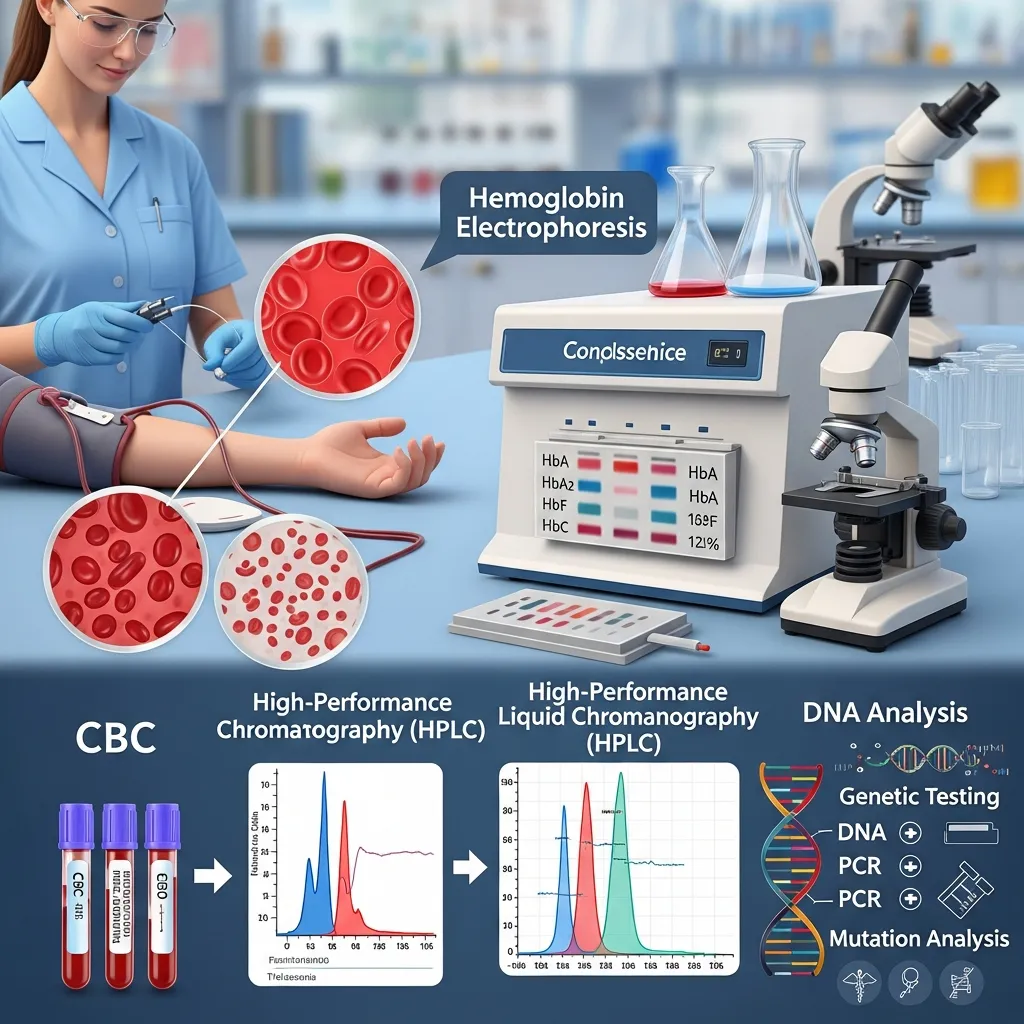 Diagnosing a genetic blood disorder is rarely a single-step process. Healthcare providers typically use a tiered approach, starting with basic screenings and moving toward highly specialized genetic analysis. Each stage of this diagnostic process impacts your overall thalassemia test cost.
How does a Complete Blood Count (CBC) help with initial screening?
A Complete Blood Count (CBC) is the foundational tool for evaluating overall blood health. This standard blood draw measures various components of your blood, including your red blood cells, white blood cells, and platelets.
For individuals suspected of having a blood disorder, physicians look closely at the Mean Corpuscular Volume (MCV), which measures the size of red blood cells. A low MCV indicates microcytic (small) red blood cells, a classic hallmark of the condition. Doctors also evaluate the Mean Corpuscular Hemoglobin (MCH) and the Red Cell Distribution Width (RDW). If you want to understand these metrics in greater detail, you can read more about how to read CBC for thalassemia. While a CBC cannot definitively diagnose a genetic mutation, it is a highly cost-effective first step that tells your doctor whether further investigation is necessary.
What is the purpose of hemoglobin electrophoresis?
If your CBC indicates abnormalities consistent with a genetic blood disorder, the next diagnostic step is usually hemoglobin electrophoresis. This laboratory test measures the different types of hemoglobin circulating in your blood.
During this procedure, a laboratory technician applies an electrical current to a blood sample. Normal and abnormal hemoglobin proteins carry different electrical charges, causing them to separate into distinct bands. By analyzing these bands, pathologists can identify the presence of abnormal variants, such as Hemoglobin H or Hemoglobin Barts, which are indicative of alpha thalassemia. They can also detect elevated levels of Hemoglobin A2, a strong indicator of the beta variant. This test offers a much higher degree of diagnostic precision than a basic CBC, and it accordingly carries a higher thalassemia test cost.
When is genetic testing and DNA analysis recommended?
Genetic testing, or DNA analysis, is the gold standard for definitive diagnosis. This advanced procedure maps your specific genetic code to identify the exact mutations responsible for your condition.
Physicians strongly recommend genetic testing for individuals who have a family history of the disorder or for those whose electrophoresis results are inconclusive. It is also the primary tool used for carrier screening. Choose genetic testing if precise knowledge of your mutation matters more than minimizing your immediate thalassemia test cost. According to the Centers for Disease Control and Prevention (CDC), knowing your exact genetic mutation is crucial for predicting the potential clinical severity of the disease and for providing accurate genetic counseling for future pregnancies.
Why is prenatal testing crucial for at-risk pregnancies?
For couples who are known carriers of severe genetic mutations, prenatal testing provides vital information about the health of the fetus. There are two primary methods used during pregnancy:
- Chorionic Villus Sampling (CVS): Performed between the 10th and 13th weeks of pregnancy, this procedure involves removing a tiny sample of the placenta for DNA analysis.
- Amniocentesis: Conducted between the 15th and 20th weeks, this test involves extracting a small amount of amniotic fluid, which contains fetal cells that can be tested for genetic abnormalities.
These procedures carry a small risk of miscarriage and require highly specialized maternal-fetal medicine experts. Because of the clinical expertise and advanced laboratory analysis required, prenatal diagnostics represent the highest thalassemia test cost in the diagnostic spectrum.
What factors influence your overall thalassemia test cost?
The price you pay for medical testing is rarely a fixed number. The American healthcare system is highly variable, and several distinct elements dictate your final bill.
How does geographic location change testing prices?
The cost of medical care fluctuates wildly based on where you live. A laboratory in a high-cost-of-living metropolitan area, such as New York City or San Francisco, will charge significantly more for a hemoglobin electrophoresis than a regional clinic in a rural midwestern town. These price discrepancies reflect the local overhead costs of running a medical facility, including rent, technician salaries, and state-specific regulatory fees.
How does the specific type of test dictate the price?
The technological complexity of the procedure directly correlates with its price. A CBC is fully automated and runs on standard hospital equipment, keeping the cost exceptionally low. Genetic testing requires DNA extraction, sequencing, and manual interpretation by a specialized geneticist. The labor and advanced technology required for DNA analysis dramatically increase your baseline thalassemia test cost.
Furthermore, many clinics offer bundled diagnostic packages. If you require a CBC, a ferritin test (to check iron levels), and hemoglobin electrophoresis, purchasing these as a comprehensive anemia panel is often cheaper than paying the individual, unbundled thalassemia test cost for each separate draw.
Why does your choice of healthcare provider matter?
Where you choose to have your blood drawn significantly impacts your wallet. Hospitals generally charge the highest rates for outpatient laboratory services due to facility fees and administrative markups. Independent, private diagnostic laboratories (such as Quest Diagnostics or Labcorp) typically offer much more competitive pricing. Specialized genetic clinics may charge premium rates but offer the benefit of in-house genetic counselors who can interpret complex DNA results.
How does insurance coverage affect your out-of-pocket expenses?
Navigating health insurance is often the most confusing aspect of diagnostic medicine. Your out-of-pocket thalassemia test cost depends heavily on your specific policy details:
- Deductibles: If you have a high-deductible health plan (HDHP) and have not yet met your deductible for the year, you will be responsible for the full negotiated rate of the test.
- Co-pays and Co-insurance: Once your deductible is met, you may still owe a flat co-pay or a percentage of the total bill (co-insurance).
- Network Status: Using an out-of-network laboratory will result in massive price increases. Always verify that your chosen clinic is in-network before consenting to a blood draw.
What are the expenses for additional consultations and follow-ups?
The initial blood draw is rarely the end of the diagnostic process. If your results indicate a positive diagnosis, you will likely need follow-up consultations. Genetic counseling sessions help you understand the implications of your DNA results for your family planning. You may also need to consult with a hematologist to establish a long-term care plan. These specialist visits carry their own separate fees, which must be factored into your total expected thalassemia test cost. For guidance on navigating these long-term care plans, you can review expert strategies for holistic thalassemia management.
What are the average thalassemia test cost ranges?
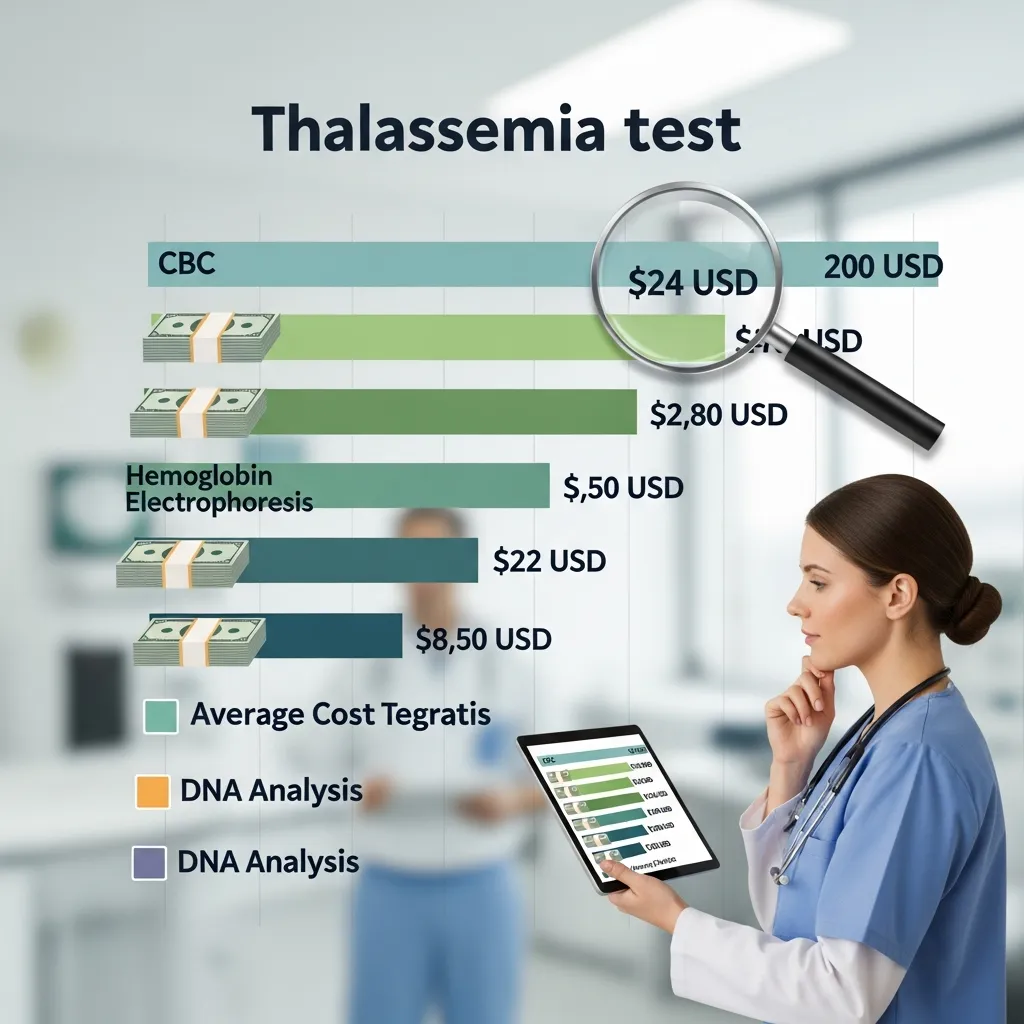 While prices vary by provider and region, having a baseline estimate helps you budget appropriately. The following averages represent the typical cash prices for uninsured patients or the pre-insurance billed amounts.
What are the estimated costs for a CBC?
A Complete Blood Count remains one of the most accessible diagnostic tools available. The average thalassemia test cost for a basic CBC ranges from $20 to $50. Many community health fairs and preventative care clinics even offer this test for free as part of standard health outreach programs.
What are the estimated costs for Hemoglobin Electrophoresis?
Because it requires specialized equipment to separate blood proteins, hemoglobin electrophoresis is moderately more expensive. You can expect the thalassemia test cost for this procedure to range between $100 and $300. If your doctor orders a comprehensive iron panel alongside this test to rule out iron deficiency anemia, the combined bill may reach $400.
What are the estimated costs for Genetic Testing?
DNA analysis requires significant laboratory resources. A targeted genetic test that looks for the most common mutations may cost between $300 and $500. However, comprehensive genetic sequencing that maps the entire hemoglobin gene cluster can push the thalassemia test cost well past the $1,000 to $2,000 mark.
What are the estimated costs for Prenatal Testing?
Prenatal diagnostics are highly specialized surgical procedures. An amniocentesis or CVS procedure involves the time of a maternal-fetal medicine specialist, ultrasound guidance, and the subsequent genetic analysis of the fetal cells. The total thalassemia test cost for these procedures routinely ranges from $1,500 to $3,000, depending heavily on hospital facility fees.
How can you reduce your out-of-pocket thalassemia test cost?
Managing medical expenses requires proactive research and a willingness to advocate for yourself. You do not have to accept the first price you are quoted.
Why is researching and comparing providers essential?
Medical pricing is highly opaque, but transparency tools are becoming more common. Call multiple independent laboratories in your area and ask for their direct-pay or cash price for a CBC and hemoglobin electrophoresis. Private labs almost always undercut hospital outpatient centers. You can also use online healthcare pricing tools to compare the average thalassemia test cost in your specific zip code.
How can financial assistance programs help?
If you require expensive genetic testing but cannot afford the out-of-pocket costs, inquire about financial assistance. Many major genetic testing companies offer patient assistance programs based on household income. These programs can drastically reduce your thalassemia test cost, sometimes lowering the bill to a manageable sliding-scale fee. Additionally, organizations like the World Health Organization (WHO) and regional hematology advocacy groups often provide directories for grants and testing subsidies.
Can public health services lower your expenses?
Local health departments and family planning clinics (such as Planned Parenthood) frequently offer discounted genetic carrier screening for at-risk populations. If you are uninsured or underinsured, utilizing these public health resources is an excellent way to secure vital diagnostic information while minimizing your thalassemia test cost.
How do you navigate insurance benefits thoroughly?
Never assume a test is fully covered. Call your insurance provider before scheduling any blood work. Ask for the specific Current Procedural Terminology (CPT) codes from your doctor and read them directly to your insurance representative. Ask exactly how much of the thalassemia test cost will be applied to your deductible and whether prior authorization is required for genetic sequencing.
When should you consider bundled testing options?
If you need multiple blood tests to rule out various forms of anemia, ask your doctor or the laboratory billing department about bundled pricing. Purchasing a “comprehensive anemia profile” for a flat cash price is frequently cheaper than billing your insurance for a CBC, ferritin test, and electrophoresis separately.
Why is early thalassemia testing worth the investment?
 Navigating the complexities of healthcare pricing is frustrating, but the initial thalassemia test cost is a critical investment in your long-term vitality.
An accurate diagnosis removes the guesswork from your medical care. Without testing, patients with mild genetic traits are frequently misdiagnosed with standard iron deficiency anemia. This leads to years of consuming unnecessary iron supplements, which can cause dangerous iron toxicity in the liver and heart. Confirming your diagnosis ensures you receive the correct nutritional guidance and clinical care. If you are beginning to notice early physical warnings of chronic anemia, understanding beta thalassemia symptoms can help you determine when to seek professional testing.
Furthermore, definitive genetic testing empowers your family planning decisions. Knowing your carrier status allows you to work with genetic counselors to understand the risks of passing a severe blood disorder to your children. This knowledge provides profound peace of mind and allows you to prepare for the future proactively. By utilizing cost-saving strategies, comparing providers, and understanding your insurance benefits, you can secure this vital medical information without compromising your financial stability. Embracing this diagnostic clarity is the first step toward a proactive, empowered approach to the living well with thalassemia guide.
Conclusion
Understanding the average thalassemia test cost is essential for planning effective and affordable healthcare. From simple CBC screenings to advanced genetic testing, prices vary based on complexity and diagnostic needs. By comparing providers and using insurance benefits, patients can significantly reduce expenses.
Ultimately, knowing the thalassemia test cost helps individuals make informed decisions, enabling early diagnosis, better treatment planning, and improved long-term health outcomes.
Frequently Asked Questions (FAQ)
1. What is the average thalassemia test cost?
The average thalassemia test cost varies depending on the type of test, ranging from basic CBC tests to advanced genetic screening.
2. How much does a CBC test for thalassemia cost?
A CBC (Complete Blood Count) test is usually the most affordable option and is often used as an initial screening tool for thalassemia.
3. Why is genetic testing for thalassemia more expensive?
Genetic testing is more costly because it involves advanced DNA analysis to identify specific mutations causing thalassemia.
4. Does insurance cover thalassemia test costs?
Many insurance plans partially or fully cover thalassemia testing, but coverage depends on the provider and medical necessity.
5. What factors affect thalassemia test cost?
Costs vary based on location, lab quality, type of test, and whether it is done as part of a hospital or private diagnostic center.
6. Is prenatal thalassemia testing more expensive?
Yes, prenatal testing is generally more expensive due to specialized procedures like amniocentesis or genetic screening.
7. Can I reduce my thalassemia test cost?
Yes, you can reduce costs by comparing labs, using insurance, or choosing bundled diagnostic packages.
8. How often should thalassemia tests be done?
Testing frequency depends on the patient’s condition, but carriers and patients often require regular monitoring.
9. Are at-home thalassemia test kits reliable?
Some at-home kits are available, but lab-based testing is generally more accurate and recommended.
10. Why is early testing for thalassemia important?
Early testing helps detect carrier status, guide family planning, and prevent severe genetic transmission.
