
Close Menu

    Subscribe to Updates

    Get the latest creative news from FooBar about art, design and business.

    What's Hot

    Thalassemia Diet Foods to Avoid: A Complete Guide to Managing Iron Intake and Nutrition

    June 11, 2026

    How to Monitor Thalassemia at Home: A Practical Guide

    June 10, 2026

    Blood Test for Anemia vs Thalassemia: Key Differences

    June 8, 2026
    Facebook X (Twitter) Instagram
    Trending
    • Thalassemia Diet Foods to Avoid: A Complete Guide to Managing Iron Intake and Nutrition
    • How to Monitor Thalassemia at Home: A Practical Guide
    • Blood Test for Anemia vs Thalassemia: Key Differences
    • Hemoglobin Electrophoresis Explained: A Complete Guide
    • When to Get Thalassemia Screening: A Complete Guide to Early Detection and Prevention
    • How Much Does a Thalassemia Test Cost?
    • How to read CBC for thalassemia: A complete monitoring guide
    • Living Well with Thalassemia Guide: Your Ultimate Path
    Facebook X (Twitter) Instagram
    My BlogMy Blog
    • Homepage
    • About us
    • Contact us
    My BlogMy Blog
    Home»Thalassemia Awareness»Nutritional Strategies for Thalassemia: A Guide to Better Health
    Thalassemia Awareness

    Nutritional Strategies for Thalassemia: A Guide to Better Health

    Sammy WillmsBy Sammy WillmsMay 18, 2026Updated:May 18, 2026No Comments9 Views
    Facebook Twitter Pinterest LinkedIn WhatsApp Reddit Tumblr Email
    Nutritional Strategies for Thalassemia
    Share
    Facebook Twitter LinkedIn Pinterest Email

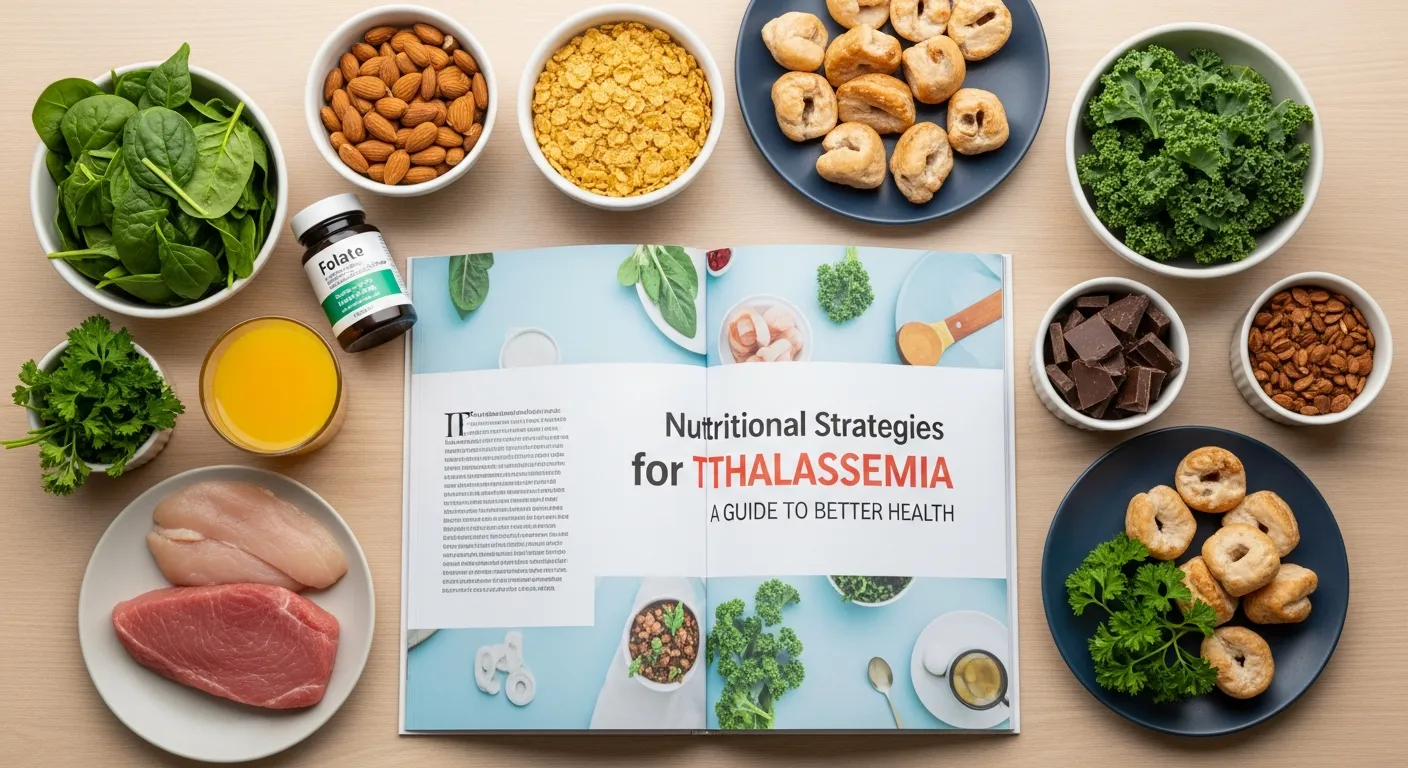
    Nutritional strategies for thalassemia focus on maintaining a balanced diet that supports blood health while carefully managing iron intake. Patients are often advised to avoid excess iron-rich foods, include folic acid and essential vitamins, and follow a well-planned diet to support red blood cell production and overall well-being. Proper nutrition plays a key role in improving energy levels and supporting medical treatment outcomes for thalassemia patients.

    Living with a chronic blood disorder often means navigating a complex schedule of medical appointments, treatments, and laboratory tests. When your body struggles to produce healthy hemoglobin, feelings of deep fatigue and physical strain can easily take over your daily life. Because the oxygen delivery system is compromised, your vital organs work overtime just to keep you functioning. This is exactly why building a strong foundation of daily health habits is critical for your long-term well-being.

    While clinical treatments like blood transfusions and chelation therapy are the primary medical interventions, they work best when supported by a healthy lifestyle. Proper food choices provide your body with the exact building blocks it requires to produce red blood cells, protect vital organs, and maintain steady energy levels. Implementing targeted Nutritional Strategies for Thalassemia can drastically shift how you handle the physical and emotional challenges associated with this genetic condition.

    A well-structured thalassemia diet plan not only supports blood health but also helps manage iron levels, reduce inflammation, and improve overall immunity. When combined with regular medical care, good nutrition can play a powerful role in minimizing fatigue, preventing complications such as iron overload, and supporting bone strength and organ function. Over time, these small but consistent dietary improvements can significantly enhance your day-to-day quality of life.

    By understanding the direct relationship between what you eat and how your body feels, you gain a significant amount of control over your health outcomes. A balanced eating plan helps mitigate the side effects of medications and reduces the risks of complications like iron overload and weakened bones. This is where effective nutrition for thalassemia patients becomes essential, as it ensures your body receives the right vitamins and minerals needed for optimal functioning.

    This comprehensive guide will walk you through practical, evidence-based Nutritional Strategies for Thalassemia, equipping you with the knowledge to create a diet that supports your unique medical needs, improves energy levels, and promotes long-term health stability.

    Macronutrients for Thalassemia Patients

    Macronutrients for thalassemia patientsMacronutrients are the main nutrients your body uses to generate energy, repair tissues, and maintain structural integrity. Getting the right balance of proteins, carbohydrates, and fats is the first step in creating effective Nutritional Strategies for Thalassemia.

    Protein: Sources and Recommended Intake

    Protein is absolutely indispensable for hemoglobin synthesis and immune function. Your body breaks down dietary protein into amino acids, which serve as the building blocks for new red blood cells and muscle tissue. Because thalassemia causes rapid red blood cell turnover, your body requires a steady supply of high-quality protein to keep up with this demand, making it a key part of Nutritional Strategies for Thalassemia.

    Focus on lean proteins that offer robust nutrition without contributing excessive amounts of iron. Excellent sources include skinless poultry, egg whites, fish, tofu, and legumes. Dairy products like Greek yogurt and cottage cheese also provide great protein while offering calcium, which further supports bone health in individuals following Nutritional Strategies for Thalassemia. Consuming adequate protein ensures your body has the structural materials necessary to maintain muscle mass, fight off infections, and support your overall Comprehensive Thalassemia Care plan.

    Carbohydrates: Complex vs. Simple Carbohydrates

    Carbohydrates are your brain and body’s preferred source of energy. However, not all carbohydrates are created equal. To maintain steady energy and combat the profound fatigue associated with chronic anemia, you should prioritize complex carbohydrates as part of effective nutritional strategies for thalassemia.

    Complex carbohydrates are found in foods like whole oats, brown rice, quinoa, barley, and sweet potatoes. These foods break down slowly in your digestive tract, providing a steady, continuous stream of glucose to your bloodstream. This prevents the sharp energy crashes that often follow the consumption of sugary snacks, white bread, or sweetened beverages. Whole grains also provide essential dietary fiber, which promotes healthy digestion and supports gut health, making them an important part of nutritional strategies for thalassemia.

    Fats: Healthy Fats and Their Role

    Dietary fats are critical for absorbing fat-soluble vitamins (such as vitamins A, D, E, and K) and maintaining the integrity of your cell membranes. They also play a major role in reducing systemic inflammation, which is essential in nutritional strategies for thalassemia.

    Include monounsaturated and polyunsaturated fats in your daily meals. Avocados, extra virgin olive oil, walnuts, almonds, and flaxseeds are exceptional choices. Omega-3 fatty acids, found abundantly in fatty fish like salmon and sardines, offer powerful anti-inflammatory benefits that protect cardiovascular health. Adding these healthy fats to your diet keeps you feeling full and satisfied after meals, preventing unhealthy snacking while supporting overall nutritional strategies for thalassemia.

    Micronutrients: Vitamins and Minerals

    Micronutrients act as the spark plugs for your body’s cellular machinery. In the context of Nutritional Strategies for Thalassemia, paying close attention to specific vitamins and minerals is where dietary planning becomes highly specialized.

    Iron Overload Management: Foods to Avoid and Dietary Considerations

    Iron management is the most complex and critical aspect of eating well with this condition. While iron is necessary for blood production, patients receiving frequent blood transfusions face a high risk of iron overload. The human body cannot naturally excrete excess iron efficiently, causing it to accumulate in the heart, liver, and endocrine glands. Over time, this buildup can lead to life-threatening complications.

    If you are at risk for iron overload, strictly limit foods high in heme iron. Heme iron is easily absorbed by the body and is found in red meats like beef, lamb, and organ meats such as liver. You should also avoid heavily fortified breakfast cereals and iron-enriched breads. Drinking black tea or green tea during meals is a highly effective strategy, as the natural tannins in the tea block iron absorption in the digestive tract. Always consult resources like the CDC’s thalassemia guidelines and your hematologist to align your diet with your specific transfusion schedule.

    Folic Acid and Vitamin B: Importance and Sources

    Folic acid, or Vitamin B9, is a non-negotiable component of Nutritional Strategies for Thalassemia. Your bone marrow requires folate to manufacture new red blood cells. Since the condition causes rapid cell turnover, your folate requirement is significantly higher than that of the average person.

    Load your plate with dark, leafy greens such as spinach, kale, and Swiss chard. Lentils, black beans, and chickpeas are also fantastic natural sources. Vitamin B12 works closely with folate to maintain healthy nerve function and support red blood cell maturation. You can find Vitamin B12 in fish, poultry, eggs, and fortified plant-based milk alternatives.

    Vitamin D and Calcium: Bone Health in Thalassemia

    Bone marrow expansion is a common physical complication of this blood disorder, making bones brittle and more prone to fractures over time. Protecting your skeletal structure requires a combination of Vitamin D and Calcium.

    Calcium directly builds bone density, while Vitamin D acts as the key that allows your body to absorb that calcium. Since dairy products can inhibit the absorption of dietary iron, incorporating milk or cheese into your meals serves a dual purpose: building bone strength and safely managing iron uptake. If you avoid dairy, look for calcium-fortified orange juice or almond milk, and try to get moderate, safe sun exposure to boost your natural Vitamin D levels.

    Zinc and Other Trace Elements

    Chronic illness and ongoing chelation therapy can deplete your body’s zinc reserves. Zinc is necessary for wound healing, strong immune defense, and DNA synthesis. Including zinc-rich foods like roasted pumpkin seeds, chickpeas, and cashews helps replenish these critical stores. Selenium is another trace element that acts as a powerful antioxidant, protecting your cells from oxidative stress. You can easily meet your selenium needs by eating just one or two Brazil nuts a day.

    Hydration and Fluid Balance

    Body hydration and fluid balanceWater is the unsung hero of any wellness routine. Proper hydration is essential for maintaining healthy circulation and optimal blood viscosity, ensuring that oxygen and nutrients are efficiently delivered throughout your body.

    Importance of Adequate Fluid Intake

    Proper hydration helps your kidneys flush out the toxins targeted by your medications and chelation therapy. Dehydration can quickly worsen feelings of fatigue, trigger headaches, and cause dizziness—symptoms that individuals with low oxygen levels already struggle to manage. Aim to drink at least eight large glasses of water every day. Increase this amount during hot weather, illness, or periods of physical activity.

    Electrolyte Balance Considerations

    When you increase your fluid intake, you must also consider electrolyte balance. Electrolytes like sodium, potassium, and magnesium help regulate nerve and muscle function. Coconut water, bananas, and naturally watery fruits like watermelon and cucumber are excellent ways to hydrate while replenishing these vital minerals without resorting to sugary sports drinks.

    Meal Planning and Dietary Guidelines

    Translating nutritional knowledge into daily practice requires consistent meal planning. Organizing your kitchen habits reduces stress and ensures you stick to your long-term wellness goals.

    Balanced Meal Ideas and Portion Control

    Use the visual “plate method” to structure your meals. Fill half your plate with colorful vegetables. Fill one-quarter with a lean, iron-conscious protein. Fill the remaining quarter with a complex carbohydrate. This visual cue guarantees a balanced intake of macronutrients without the need for strict calorie counting. For more detailed strategies on building a supportive diet, explore our guide on Thalassemia Diet and Wellness.

    Special Considerations for Different Age Groups

    Nutritional Strategies for Thalassemia must adapt as a patient grows. Children require higher calorie and protein intakes to support their physical growth and development. Parents should focus on nutrient-dense snacks like nut butters and yogurt to ensure kids meet their energy needs without filling up on empty calories. Adults should focus heavily on maintaining bone density and managing the cumulative effects of iron overload through strict dietary adherence and portion control.

    Tips for Managing Appetite and Energy Levels

    Chronic fatigue can severely suppress your appetite. If eating three large meals feels overwhelming, switch to eating five or six smaller meals throughout the day. Nutrient-dense smoothies blending spinach, berries, Greek yogurt, and flaxseeds can deliver high-quality calories and micronutrients in an easy-to-consume format. Keep healthy snacks readily available to prevent energy dips between these smaller meals.

    Lifestyle and Dietary Synergy

    Diet alone cannot bear the entire weight of your health. A true wellness plan integrates positive lifestyle habits to support your body physically and emotionally.

    Exercise and Physical Activity

    Moderate, low-impact exercise strengthens your heart, improves circulation, and boosts your mood. Activities like brisk walking, swimming, and stationary cycling are highly recommended. Movement triggers the release of endorphins, acting as natural mood elevators and making your body’s oxygen delivery systems more efficient over time. Always listen to your body and scale back your intensity on days when your energy is exceptionally low.

    Stress Management and Its Impact on Nutrition

    Living with a chronic genetic disorder generates significant mental stress. Chronic stress triggers the release of cortisol, a hormone that can disrupt sleep, impair digestion, and negatively alter your appetite. Incorporate relaxation techniques into your daily schedule to calm your nervous system. Deep diaphragmatic breathing, mindfulness meditation, and gentle stretching routines like yoga can drastically improve your emotional resilience. Proper stress management is a core component of overall Thalassemia Management.

    Regular Monitoring and Professional Guidance

    Your Nutritional Strategies for Thalassemia must be consistently evaluated against objective medical data. Regular blood tests ensure your dietary choices are genuinely supporting your hemoglobin and iron levels. Never skip your scheduled hematology appointments, and communicate openly with your doctors about any lifestyle changes you make. Trust global health standards outlined by organizations like the World Health Organization (WHO) to stay informed on the best long-term care practices.

    Common Nutritional Challenges and Solutions

    Adopting a new way of eating comes with hurdles, especially when dealing with the physical constraints of a blood disorder. Anticipating these challenges makes them much easier to overcome.

    Anemia Management Through Diet

    For individuals with non-transfusion-dependent thalassemia, managing anemia through diet requires careful balance. You want to support red blood cell production without accidentally accumulating too much iron. Focus heavily on folic acid, Vitamin B12, and antioxidants. These elements support healthy blood cells without carrying the iron risks associated with red meats.

    Addressing Growth and Development Issues

    Delayed growth is a common concern for children with severe forms of the condition. To combat this, parents should focus on maximizing the nutrient density of every bite. Adding healthy fats like avocado or olive oil to vegetables, using fortified milk in oatmeal, and offering protein-rich snacks can help bridge the gap between a small appetite and high caloric needs.

    Overcoming Dietary Restrictions and Food Aversions

    Medication side effects, such as nausea or changes in taste, can lead to strong food aversions. If certain textures or smells trigger nausea, experiment with different cooking methods. Roasting vegetables instead of steaming them changes their flavor profile, and drinking cold or room-temperature foods (like smoothies or pasta salads) often produces fewer strong odors than hot meals. Finding creative ways to enjoy your meals is a crucial part of your daily Thalassemia Self-Care routine.

    Empowering Your Health Through Daily Habits

    Daily habits for better healthMastering your health requires patience, continuing education, and consistent effort. Living well with a genetic blood disorder is entirely possible when you combine expert medical treatment with intentional daily habits.

    To recap, effective nutritional strategies for thalassemia center on consuming high-quality lean proteins, complex carbohydrates, and healthy fats while strictly managing your intake of iron. Protecting your bone density with calcium and vitamin D, supporting blood production with folic acid, and staying thoroughly hydrated are essential steps in protecting your long-term health.

    Building consistency is especially important because small daily choices create long-term health outcomes. When you follow structured nutritional strategies for thalassemia, you are actively helping your body maintain better energy balance, reduce fatigue, and support stronger immunity. Even simple habits like meal planning, avoiding processed foods, and choosing nutrient-dense ingredients can make a meaningful difference over time.

    In addition to diet, gentle physical activity such as walking, stretching, or yoga can further support circulation and overall well-being. Stress management techniques like deep breathing, meditation, and proper sleep hygiene also play a vital role in maintaining stability in chronic conditions. These lifestyle habits work together with nutritional strategies for thalassemia to create a more balanced and resilient body.

    True wellness goes beyond hospital visits and prescription medications. It encompasses the choices you make every single day in your kitchen, your exercise routines, and your stress management practices. Embrace a holistic approach to your care. Lean on your support networks, advocate for your needs during medical appointments, and trust in the profound impact of your daily nutritional habits. By consistently applying nutritional strategies for thalassemia, you can cultivate a stronger, more energetic, and vibrant life over the long term.

    Conclusion

    Nutritional strategies for thalassemia play a vital role in supporting overall health and improving quality of life. A carefully planned diet helps manage iron levels, supports red blood cell production, and provides essential vitamins like folic acid that are crucial for patients. While nutrition alone cannot cure thalassemia, it significantly complements medical treatments and helps reduce complications. By following a balanced and personalized diet plan, thalassemia patients can maintain better energy levels, strengthen immunity, and support long-term well-being.

    FAQ

    1. What are nutritional strategies for thalassemia?

    Nutritional strategies for thalassemia refer to planned dietary approaches that help manage iron levels, support blood health, and improve overall nutrition in patients with thalassemia.

    2. Why is diet important in thalassemia management?

    Diet is important because it helps control iron intake, supports red blood cell production, and enhances the effectiveness of medical treatment for thalassemia.

    3. What foods should be avoided in thalassemia?

    Patients should avoid excessive iron-rich foods like red meat and iron-fortified products unless advised by a doctor, as iron overload can be harmful in thalassemia.

    4. What nutrients are essential in a thalassemia diet?

    Key nutrients include folic acid, vitamin B12, vitamin D, calcium, and antioxidants that support blood health and immunity.

    5. Can thalassemia patients eat iron-rich foods?

    They should consume iron-rich foods carefully and under medical guidance, depending on their iron levels and treatment plan.

    6. Is folic acid important for thalassemia patients?

    Yes, folic acid is essential as it helps in the production of healthy red blood cells and supports overall blood formation.

    7. How does nutrition affect energy levels in thalassemia?

    Proper nutrition improves hemoglobin production and oxygen transport, which helps reduce fatigue and increase energy levels.

    8. Can diet replace medical treatment for thalassemia?

    No, diet cannot replace treatment. Nutritional strategies for thalassemia are supportive and work alongside medical care such as transfusions and medications.

    9. Are supplements necessary for thalassemia patients?

    Some patients may need supplements like folic acid or vitamin D, but they should only be taken under medical supervision.

    10. How can patients follow effective nutritional strategies for thalassemia?

    Patients should consult healthcare professionals, follow a balanced diet plan, monitor iron intake, and maintain regular medical checkups for proper management.

    Blood Disorder Nutrition Healthy Diet for Thalassemia Nutrition for Thalassemia Thalassemia Diet thalassemia nutrition
    Share. Facebook Twitter Pinterest LinkedIn Tumblr Telegram Email
    Sammy Willms
    Sammy Willms
    • Website

    Sammy Willms is an editor at ThalassemiaCareHub, focused on creating and refining content around health awareness, thalassemia education, and medical information. He simplifies complex healthcare and scientific concepts into clear, practical insights that help readers better understand blood disorders, treatment options, and modern approaches to patient care with ease.

    Related Posts

    Thalassemia Diet Foods to Avoid: A Complete Guide to Managing Iron Intake and Nutrition

    June 11, 2026

    How to Monitor Thalassemia at Home: A Practical Guide

    June 10, 2026

    Blood Test for Anemia vs Thalassemia: Key Differences

    June 8, 2026
    Leave A Reply Cancel Reply

    Top Posts

    Holistic Strategies for Thriving with Thalassemia

    May 14, 202616

    Nutritional Strategies for Thalassemia: A Guide to Better Health

    May 18, 20269

    Ultimate Guide to Diet & Wellness for Thalassemia Management

    May 16, 20268

    Master Thalassemia Self-Care Strategies for Optimal Wellness

    May 13, 20268
    Don't Miss
    Thalassemia Awareness

    Thalassemia Diet Foods to Avoid: A Complete Guide to Managing Iron Intake and Nutrition

    By Sammy WillmsJune 11, 20262

    Discover thalassemia diet foods to avoid, including certain iron-rich foods and dietary habits that may…

    How to Monitor Thalassemia at Home: A Practical Guide

    June 10, 2026

    Blood Test for Anemia vs Thalassemia: Key Differences

    June 8, 2026

    Hemoglobin Electrophoresis Explained: A Complete Guide

    June 7, 2026
    Stay In Touch
    • Facebook
    • Twitter
    • Pinterest
    • Instagram
    • YouTube
    • Vimeo
    © 2026 Thalassemiacarehub. All Rights Reserved.
    • About us
    • Contact us
    • Privacy Policy
    • Terms & Conditions

    Type above and press Enter to search. Press Esc to cancel.