
Close Menu

    Subscribe to Updates

    Get the latest creative news from FooBar about art, design and business.

    What's Hot

    Top 10 Essential Thalassemia Management Tips for Daily Life

    April 6, 2026

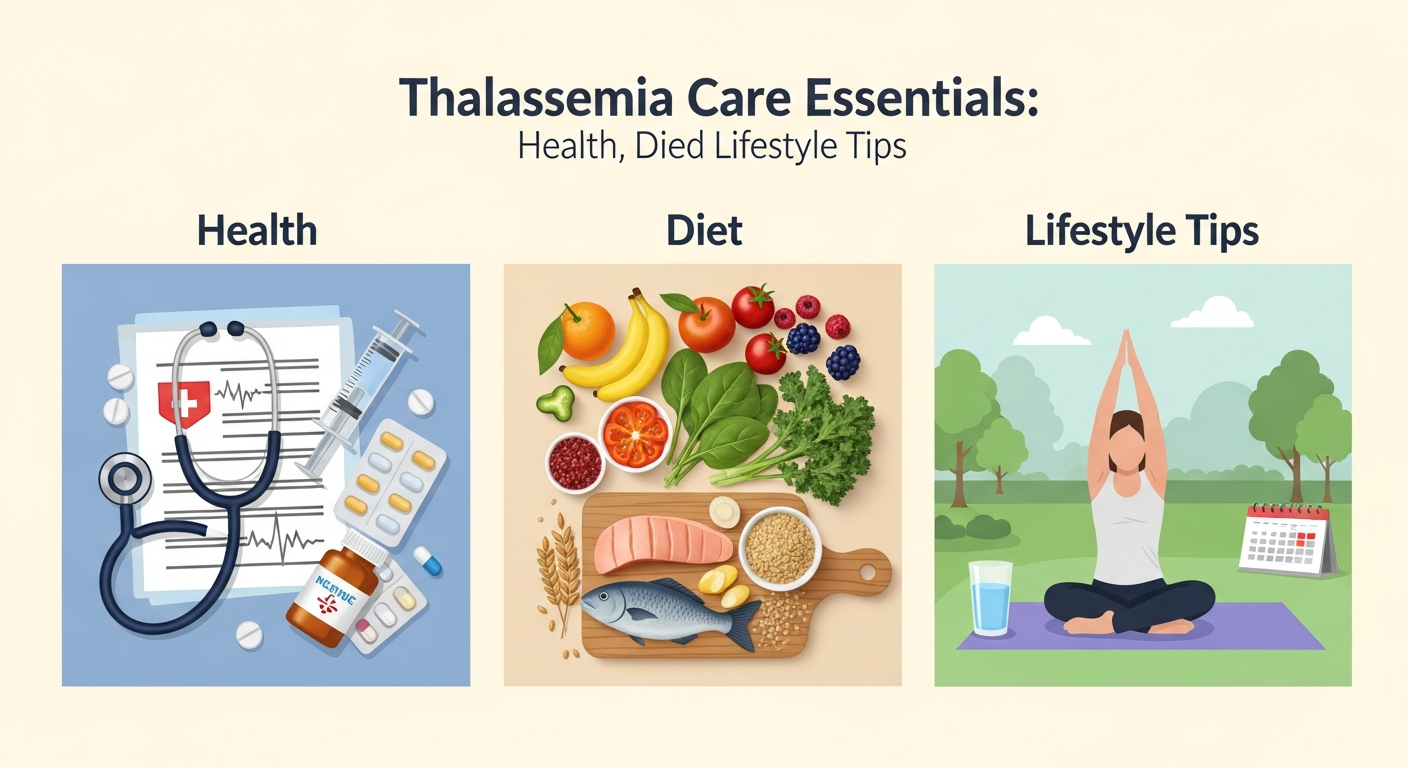
    Thalassemia Care Essentials: Health, Diet, and Lifestyle Tips

    April 5, 2026
    Facebook X (Twitter) Instagram
    Trending
    • Top 10 Essential Thalassemia Management Tips for Daily Life
    • Thalassemia Care Essentials: Health, Diet, and Lifestyle Tips
    Facebook X (Twitter) Instagram
    My BlogMy Blog
    • Homepage
    • About us
    • Contact us
    My BlogMy Blog
    Home»Thalassemia Tips»Thalassemia Care Essentials: Health, Diet, and Lifestyle Tips
    Thalassemia Tips

    Thalassemia Care Essentials: Health, Diet, and Lifestyle Tips

    adminBy adminApril 5, 2026Updated:April 13, 2026No Comments1 Views
    Facebook Twitter Pinterest LinkedIn WhatsApp Reddit Tumblr Email
    thalassemia tips
    Share
    Facebook Twitter LinkedIn Pinterest Email

    This guide on thalassemia tips provides practical tips for managing health, diet, and lifestyle effectively. It highlights the importance of proper nutrition, regular medical care, safe physical activity, and emotional well-being. The article helps patients improve daily quality of life, support treatment, and reduce complications through consistent and balanced care habits.

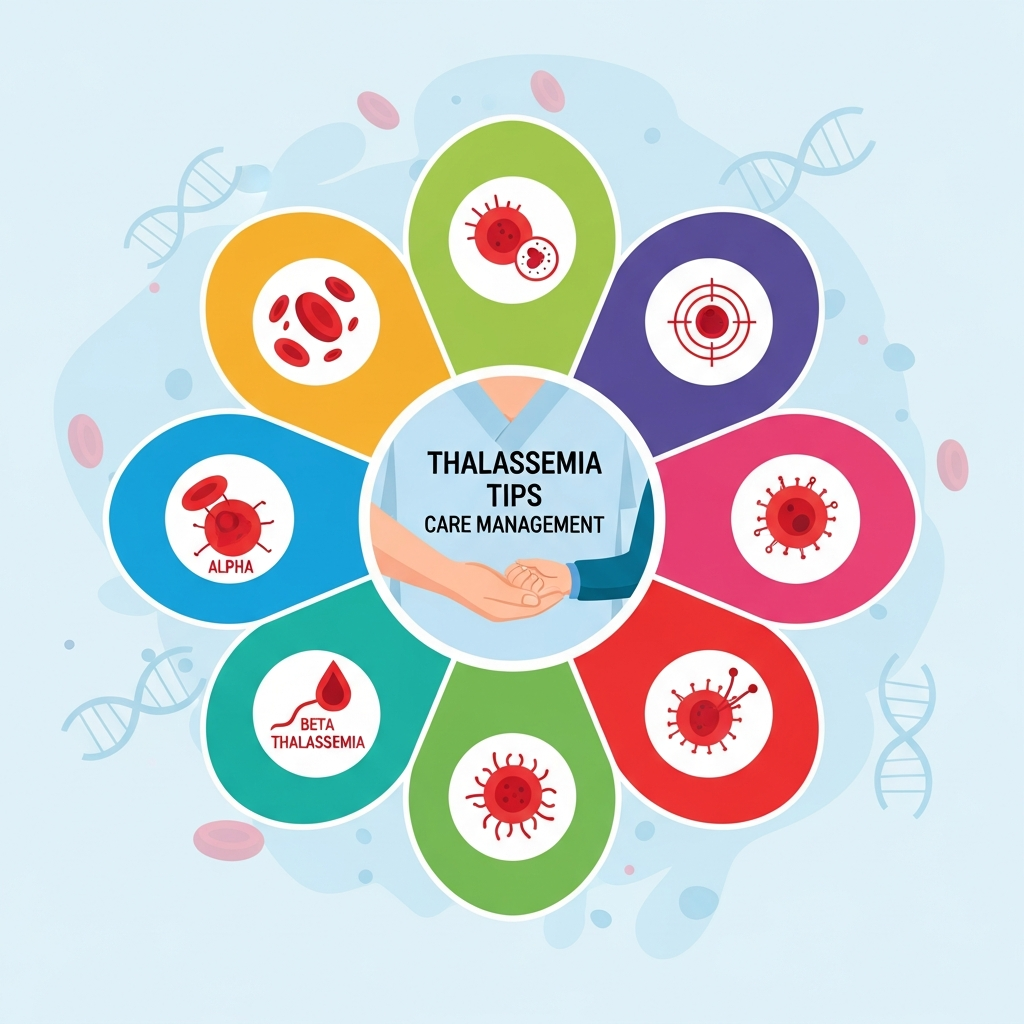
    Understanding Thalassemia and Its Variants in Thalassemia tips Care Management

    A clear understanding of the genetic basis and clinical types is essential for effective thalassemia tips care management. Thalassemia is an inherited blood disorder caused by mutations in genes responsible for hemoglobin production. Hemoglobin contains alpha and beta globin chains, and any disruption in their synthesis leads to abnormal red blood cells, chronic anemia, and long-term organ stress.

    Modern thalassemia tips care management benefits greatly from genetic testing, carrier screening, and prenatal diagnosis. These tools help identify at-risk families early and support informed reproductive and treatment decisions. Global health organizations like the WHO emphasize genetic counseling as a key preventive strategy to reduce severe cases worldwide.

    Genetic Basis and Pathophysiology in Thalassemia Tips Care Management

    The core problem in thalassemia tips care management lies in defective globin gene synthesis, which directly affects oxygen transport and overall body function.

    Key Effects on the Body:

    • Reduced hemoglobin production leading to chronic anemia and fatigue
    • Fragile, short-lived red blood cells that break down prematurely
    • Increased bone marrow activity causing bone expansion and skeletal changes
    • Higher iron absorption from the gut, increasing the risk of iron overload

    Importance of Genetic Screening:

    • Detects carriers before symptoms appear
    • Enables early newborn diagnosis and intervention
    • Supports informed family planning decisions
    • Helps create personalized treatment strategies for long-term care

    Classification of Thalassemia Variants in Thalassemia Tips Care Management

    Thalassemia variants classification in thalassemia tips care management.Understanding disease type is a key step in thalassemia tips care management, as treatment approaches vary significantly based on severity.

    Main Types:

    Alpha Thalassemia

    • 1 gene deletion: Silent carrier (no symptoms)
    • 2 gene deletions: Mild anemia
    • 3 gene deletions: Hemoglobin H disease (moderate to severe symptoms)
    • 4 gene deletions: Hydrops fetalis (usually life-threatening)

    Beta Thalassemia

    • Trait: Mild or no symptoms, often undiagnosed
    • Intermedia: Moderate anemia with occasional transfusion needs
    • Major: Severe anemia requiring lifelong transfusions and chelation therapy

    Comparison Table of Thalassemia Variants in Thalassemia Tips Care Management

    Type Severity Symptoms Treatment Needs
    Alpha Trait Mild Minimal or none Monitoring only
    Hemoglobin H Disease Moderate Fatigue, anemia Occasional transfusions
    Hydrops Fetalis Severe Life-threatening condition Prenatal intervention required
    Beta Trait Mild Slight anemia Usually no treatment
    Beta Intermedia Moderate Chronic anemia Intermittent transfusions
    Beta Major Severe Severe anemia, growth delay Lifelong transfusions + chelation

    Key Management Points in Thalassemia Tips Care Management

    • Early genetic diagnosis significantly improves long-term outcomes and reduces complications
    • Treatment plans must always be tailored based on disease severity and patient condition
    • Regular monitoring of hemoglobin and iron levels is essential to prevent organ damage
    • Iron overload must be carefully controlled using proper chelation therapy
    • Family screening and counseling help reduce future risk and support preventive care

    Medical Monitoring and Treatment Strategies
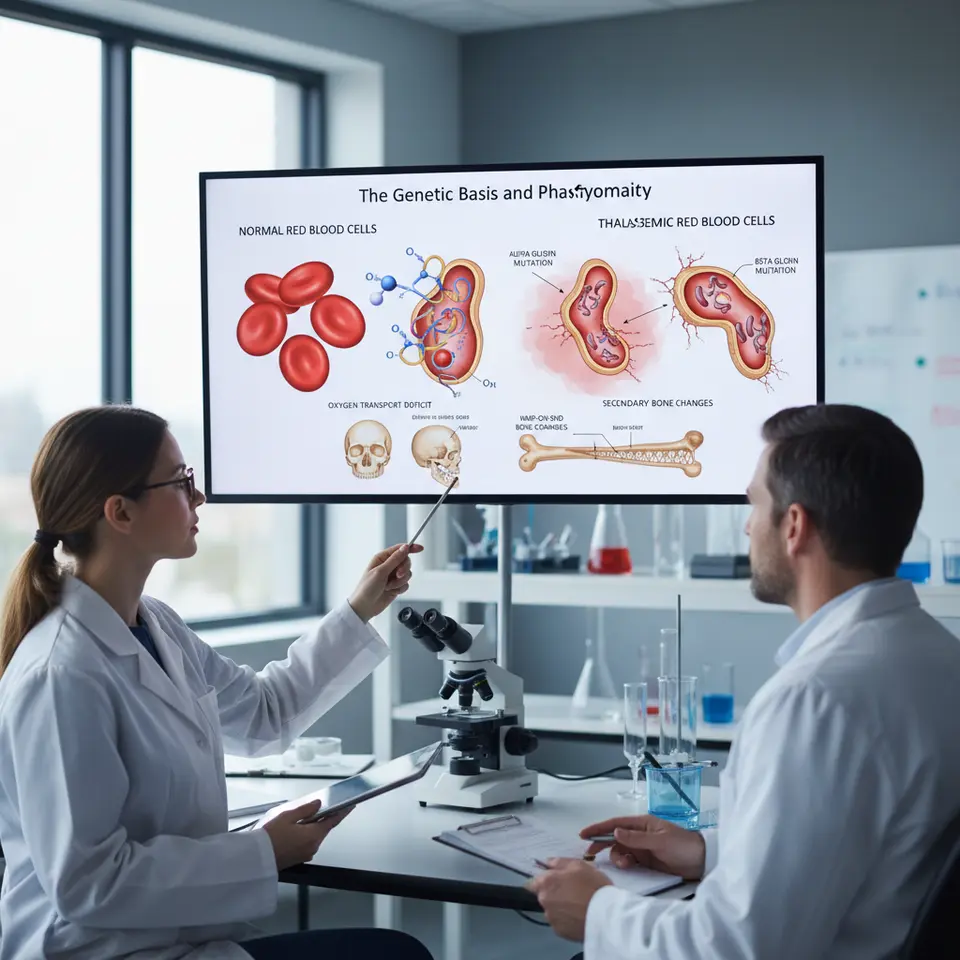
    The Genetic Basis and Pathophysiology: a cutaway illustration showing normal versus thalassemic red blood cells, highlighting alpha and beta globin chain mutations, fragile cell membranes, oxygen transport deficits, and secondary bone changes in the skull and long bones.Accurate and timely diagnosis is a cornerstone of effective thalassemia tips care management, as it helps determine disease severity, guide treatment decisions, and prevent long-term complications. A structured diagnostic approach combines blood tests, hemoglobin analysis, and genetic evaluation to ensure precise classification of the disorder.

    Step-by-Step Diagnostic Approach in Thalassemia Tips Care Management

    A systematic diagnostic process in thalassemia tips care management ensures early detection and accurate disease classification, which is essential for effective treatment planning.

    • Complete Blood Count (CBC): Evaluates hemoglobin level, red blood cell size (MCV), and overall anemia severity
    • Reticulocyte Count: Assesses bone marrow response and red blood cell production activity
    • Iron Studies: Differentiates thalassemia from iron deficiency anemia for correct diagnosis
    • Hemoglobin Electrophoresis / HPLC: Identifies abnormal hemoglobin types such as HbA, HbA2, and HbF patterns
    • Genetic Testing: Confirms specific mutations in alpha or beta globin genes for precise diagnosis

    Importance in Thalassemia Tips Care Management

    Each diagnostic step plays a vital role in strengthening thalassemia tips care management by improving accuracy and guiding long-term care decisions.

    • Enables early and precise diagnosis before complications develop
    • Helps classify disease severity for personalized treatment plans
    • Guides appropriate transfusion and medication strategies
    • Supports genetic counseling and family screening programs

    Regular follow-ups are essential in thalassemia tips care management to track disease progression, monitor iron overload, and detect early signs of organ dysfunction or treatment-related side effects.

    Core Treatment Modalities in Thalassemia Tips Care Management

    Effective thalassemia tips care management focuses on controlling anemia, preventing complications, and improving long-term quality of life through a combination of medical interventions and continuous monitoring.

    Blood Transfusion Therapy in Thalassemia Tips Care Management

    Regular blood transfusions form the foundation of care in thalassemia tips care management, especially for patients with moderate to severe disease.

    Key Objectives:

    • Maintain safe and stable hemoglobin levels for normal body function
    • Improve oxygen delivery to tissues and organs for better energy levels
    • Reduce fatigue, weakness, and growth delays in children
    • Support overall physical development and daily activity tolerance

    Clinical Notes:

    • Transfusions are typically required every 3–4 weeks in severe cases
    • Blood must be carefully matched to minimize immune reactions
    • Continuous monitoring of hemoglobin levels ensures treatment effectiveness

    Iron Chelation Therapy in Thalassemia Tips Care Management

    Repeated transfusions lead to iron overload, making chelation therapy a crucial part of thalassemia tips care management.

    Common Chelation Drugs:

    • Deferasirox (oral medication)
    • Deferoxamine (injectable infusion therapy)
    • Deferiprone (oral medication)

    Monitoring Strategy:

    • Regular serum ferritin testing to assess iron levels
    • MRI scans to monitor iron deposition in the liver and heart
    • Dose adjustments based on individual iron burden

    Key Benefit:

    Iron chelation therapy helps prevent long-term damage to vital organs such as the heart, liver, and endocrine system, improving survival and quality of life.

    Stem Cell Transplant and Emerging Therapies in Thalassemia Tips Care Management

    Advanced medical innovations are transforming the future of thalassemia tips care management, offering potential curative options.

    Treatment Options:

    Hematopoietic Stem Cell Transplant (HSCT):

    • Currently the only established curative treatment option
    • Most effective in younger patients with matched sibling donors
    • Requires specialized medical centers and careful post-transplant care

    Gene Therapy Approaches:

    • Designed to correct defective globin gene function at the source
    • Offers potential for long-term or permanent disease correction
    • Currently under continuous clinical development and research

    Nutrition and Lifestyle for Enhanced Well-Being

    Key Dietary Principles

    A balanced diet plays a pivotal role in supporting red blood cell production and maintaining strength. Prioritize high-quality protein sources—lean meats, poultry, fish, eggs, and legumes—to supply amino acids essential for hemoglobin synthesis. Leafy green vegetables, such as spinach and kale, are rich in folate, a vitamin critical for red blood cell formation. Incorporate vitamin C–rich fruits like oranges and strawberries to boost dietary iron absorption, while limiting iron-fortified cereals and red meats if you face iron overload challenges.

    Supplements, Hydration, and Rest

    Folic acid supplements are routinely recommended to assist erythropoiesis, and your doctor may advise additional B-vitamins or vitamin D if deficiencies are detected. Adequate hydration is also vital for blood volume and circulation; aim for 8 to 10 glasses of water daily. Rest periods are equally important—quality sleep rejuvenates the body and helps combat chronic fatigue. Structured rest and sleep hygiene practices, such as maintaining consistent bedtimes and creating a calm sleep environment, support overall health in today’s busy world.

    Emotional Support and Psychological Health

    Core Treatment Modalities: a composite scene depicting a patient receiving a blood transfusion, an iron-loaded heart and liver, overview of chelation drugs (deferasirox pill bottle, deferoxamine infusion pump), and inset icons for stem cell transplantation and emerging gene therapy.Strong emotional well-being is a core part of effective thalassemia tips care management, because living with a chronic lifelong condition can create ongoing emotional pressure, anxiety, and fatigue that directly affects both mental health and treatment adherence over time.

    Stress Management Techniques in Thalassemia Tips Care Management

    Managing stress effectively helps patients maintain emotional balance and stability, which is especially important in long-term thalassemia tips care management where regular treatment and monitoring can sometimes feel overwhelming.

    Effective Techniques:

    Mindfulness meditation helps patients stay present, reduce overthinking, and build emotional control, which supports better coping in daily thalassemia tips care management routines by improving awareness and reducing mental stress.

    Deep breathing exercises help calm the nervous system, reduce anxiety symptoms, and improve overall relaxation during stressful medical situations, making daily coping easier and more stable.

    Progressive muscle relaxation helps release physical tension stored in the body, which is common in chronic illness-related fatigue and stress, improving both comfort and emotional balance.

    Guided imagery allows patients to mentally escape stress and build a more positive emotional mindset during long-term treatment journeys, supporting psychological strength in thalassemia tips care management.

    Lifestyle Support Activities:

    Journaling helps patients express emotions clearly and track mental health patterns over time, supporting emotional awareness and self-reflection in thalassemia tips care management.

    Gentle yoga improves flexibility, reduces stiffness, and supports calmness, while also enhancing physical and mental well-being in daily life.

    Creative hobbies such as painting, music, or writing provide emotional release and reduce psychological stress by giving patients a healthy outlet for expression.

    Maintaining a structured daily routine reduces uncertainty, improves stability, and helps patients feel more in control of their condition and treatment process.

    Psychological Support in Thalassemia Tips Care Management

    Professional mental health support is a vital pillar of thalassemia tips care management, because emotional struggles like anxiety, depression, or fear of complications can significantly affect quality of life and treatment success.

    Support Options:

    Cognitive Behavioral Therapy (CBT) helps patients identify negative thought patterns and replace them with healthier coping mechanisms, improving emotional resilience in thalassemia tips care management.

    Individual counseling provides a safe and supportive space to discuss fears, stress, and personal challenges related to long-term illness management and emotional burden.

    Group therapy allows patients to connect with others facing similar health journeys, reducing isolation and strengthening emotional confidence through shared experiences.

    Stress management workshops teach structured techniques to handle emotional pressure more effectively in daily life, improving coping skills and mental balance.

    Why It Matters:

    Psychological support improves emotional stability, strengthens confidence, enhances treatment adherence, and helps patients maintain a more positive outlook while living with thalassemia tips care management challenges.

    Building a Strong Support Network in Thalassemia Tips Care Management

    A strong support system plays a critical role in improving both emotional health and treatment success in thalassemia tips care management, as patients who feel supported are more likely to stay consistent with medical care and lifestyle recommendations.

    Sources of Support:

    Patient advocacy organizations provide education, awareness, and emotional encouragement that help patients feel understood and empowered throughout their thalassemia tips care management journey.

    Online communities connect patients globally, allowing them to share experiences, treatment tips, and emotional support at any time, reducing feelings of isolation.

    Local support groups offer face-to-face interaction, which builds real-life emotional connections and strengthens long-term coping ability.

    Family and friends provide daily emotional strength, helping patients stay motivated and supported during difficult treatment phases.

    Trusted Organizations:

    Organizations like the Cooley’s Anemia Foundation offer educational webinars, research updates, and peer support programs that strengthen understanding of long-term thalassemia tips care management.

    Role of Family and Community in Thalassemia Tips Care Management

    Family involvement significantly improves emotional stability and treatment outcomes in thalassemia tips care management, because consistent support helps patients manage both physical and psychological challenges more effectively.

    Family members who understand the condition can assist with medication routines, transfusion schedules, emotional encouragement, and appointment management, reducing stress and improving care consistency.

    Open communication between patients and caregivers ensures emotional needs are clearly understood, building trust and strengthening long-term support systems in thalassemia tips care management.


    Daily Routine Adjustments and Safety Considerations in Thalassemia Tips Care Management

    Adapting daily routines is an essential part of effective thalassemia tips care management, because energy control, infection prevention, and lifestyle adjustments help patients maintain stability, reduce complications, and improve overall quality of life.

    Physical Activity and Energy Management in Thalassemia Tips Care Management

    Maintaining balanced physical activity is highly beneficial in thalassemia tips care management, as it improves circulation, strengthens muscles, enhances mood, and reduces fatigue when done safely and according to individual capacity.

    Low-impact exercises such as brisk walking, swimming, light cycling, or tai chi help patients stay active without putting excessive strain on the body, especially during anemia fluctuations or transfusion cycles.

    Listening to the body is extremely important, because symptoms like dizziness, breathlessness, or extreme fatigue indicate the need to rest immediately and avoid unnecessary stress on the system.

    Working with physiotherapists ensures exercise plans are personalized according to energy levels and medical condition, making physical activity safe, structured, and sustainable in thalassemia tips care management.

    Gradual progression under supervision helps build endurance over time, improving mobility and physical strength without increasing health risks.

    Infection Prevention and Daily Safety in Thalassemia Tips Care Management

    Infection control is a critical part of thalassemia tips care management, as transfusions and chronic anemia may increase vulnerability to infections if preventive measures are not followed properly.

    Strict hand hygiene, including frequent handwashing or use of sanitizers, reduces exposure to harmful pathogens in daily environments.

    Staying updated with vaccinations helps protect against respiratory and seasonal infections that can cause serious complications.

    Avoiding crowded places during peak illness seasons further reduces infection risk and supports stable health throughout ongoing thalassemia tips care management.

    Work, School, and Lifestyle Accommodations in Thalassemia Tips Care Management

    Proper workplace and educational adjustments are important in thalassemia tips care management, as they support independence while ensuring safety for individuals with fluctuating energy levels.

    Informing employers or teachers about the condition allows flexible schedules, rest breaks, or modified workloads during fatigue or post-transfusion recovery periods.

    Maintaining a clear medical summary with diagnosis, treatment plans, and transfusion schedules ensures quick access to essential information during emergencies.

    Carrying emergency contacts and sharing them with trusted individuals improves preparedness and creates a safer, more supportive daily environment in thalassemia tips care management.

    Frequently Asked Questions

    1. What is thalassemia and why does it require long-term management?

    Thalassemia is an inherited blood disorder that reduces hemoglobin production, leading to chronic anemia. It requires long-term thalassemia tips care management to maintain safe hemoglobin levels, prevent complications, and improve quality of life through transfusions, medications, and lifestyle care.

    2. How is thalassemia diagnosed in patients?

    Diagnosis is confirmed through blood tests such as CBC, hemoglobin electrophoresis, and genetic testing. These tests help identify the type and severity, which is essential for proper thalassemia tips care management planning.

    3. Why are regular blood transfusions needed in thalassemia?

    Regular blood transfusions provide healthy red blood cells to improve oxygen delivery in the body. This is a core part of thalassemia tips care management, especially for patients with moderate to severe forms of the disease.

    4. What is iron overload and why is it dangerous?

    Iron overload happens when excess iron builds up due to repeated transfusions. If not controlled in thalassemia tips care management, it can damage the heart, liver, and endocrine system, leading to serious complications.

    5. What is iron chelation therapy?

    Iron chelation therapy uses medications to remove excess iron from the body. It is a vital step in thalassemia tips care management to prevent organ damage and maintain long-term health stability.

    6. Can patients with thalassemia live a normal life?

    Yes, with proper thalassemia tips care management, including transfusions, chelation, nutrition, and monitoring, many patients live active, productive, and fulfilling lives.

    7. What foods should be avoided in thalassemia?

    Patients should avoid excessive iron-rich supplements or foods unless prescribed by a doctor. Diet planning is an important part of thalassemia tips care management and should always be personalized.

    8. Is exercise safe for people with thalassemia?

    Yes, low-impact exercises like walking, swimming, and yoga are safe and beneficial. Exercise should always be adapted to energy levels within a thalassemia tips care management plan.

    9. Can thalassemia be cured permanently?

    Stem cell transplantation can cure some cases, and gene therapy is an emerging option. These advanced treatments are becoming part of modern thalassemia tips care management strategies.

    10. Why is regular monitoring important?

    Regular monitoring helps track hemoglobin levels, iron overload, and organ health. It ensures timely adjustments in thalassemia tips care management to prevent complications and improve outcomes.

    Conclusion

    Effective thalassemia tips care management requires an integrated plan that combines medical treatment, nutrition, lifestyle adjustments, and emotional support. Understanding the genetic basis of the condition, maintaining regular diagnostic monitoring, and following a balanced diet and safe exercise routine can significantly reduce complications and improve daily well-being. Strong mental resilience and supportive relationships further enhance quality of life and treatment adherence.

    With continuous advancements in therapies, including improved medications and emerging gene-based treatments, the future of care is becoming more promising. By staying informed, working closely with healthcare professionals, and following structured thalassemia tips care management, individuals can lead healthier, more stable, and fulfilling lives.

    Thalassemia Care Management Tips thalassemia tips
    Share. Facebook Twitter Pinterest LinkedIn Tumblr Telegram Email
    admin
    • Website

    Related Posts

    Top 10 Essential Thalassemia Management Tips for Daily Life

    April 6, 2026
    Leave A Reply Cancel Reply

    Top Posts

    Top 10 Essential Thalassemia Management Tips for Daily Life

    April 6, 20262

    Thalassemia Care Essentials: Health, Diet, and Lifestyle Tips

    April 5, 20261
    Don't Miss
    Thalassemia Tips

    Top 10 Essential Thalassemia Management Tips for Daily Life

    By adminApril 6, 20262

    This guide shares 10 essential thalassemia management tips, including diet, treatment adherence, lifestyle habits, regular…

    Thalassemia Care Essentials: Health, Diet, and Lifestyle Tips

    April 5, 2026
    Stay In Touch
    • Facebook
    • Twitter
    • Pinterest
    • Instagram
    • YouTube
    • Vimeo
    © 2026 Thalassemiacarehub. All Rights Reserved.
    • About us
    • Contact us
    • Privacy Policy
    • Terms & Conditions

    Type above and press Enter to search. Press Esc to cancel.