


Yoga for thalassemia patients reduces stress, improves circulation, and supports liver health. Combined with exercise for thalassemia patients, proper nutrition, and medical care, it forms a powerful thalassemia lifestyle management strategy that enhances physical strength and emotional well-being.
Yoga for thalassemia patients is a safe, evidence-supported practice that reduces stress, improves circulation, supports liver function, and enhances flexibility. Combined with low-impact exercise and thalassemia lifestyle management strategies, yoga helps patients build physical strength and emotional resilience without overloading an already stressed system.
Living with thalassemia means navigating a daily balancing act. Regular blood transfusions, chelation therapy, chronic fatigue, and iron overload liver damage are not abstract medical concepts—they are the lived reality for millions of patients worldwide. According to the Thalassemia International Federation, more than 300,000 babies are born each year with severe hemoglobin disorders, with thalassemia accounting for a significant share.
Medical management is non-negotiable. But what about the hours between clinic visits? The days when exhaustion makes the couch feel like the only option? This is exactly where thalassemia lifestyle management becomes powerful. Exercise for thalassemia patients—particularly low-impact, mindful movement like yoga—can dramatically improve quality of life, cardiovascular health, and emotional well-being when practiced safely and consistently.
This guide covers everything you need to know: how iron overload damages the liver, which conventional treatments address it, how exercise benefits thalassemia patients, and why yoga for thalassemia patients deserves a central role in any holistic care plan. You’ll also find specific pose recommendations, nutrition guidance, sleep and stress strategies, and a practical framework for integrating movement into your daily routine.
A note before we begin: this article offers general health education, not personalized medical advice. Always consult your hematologist or healthcare team before making changes to your treatment or lifestyle plan.
What Is Iron Overload and How Does It Damage the Liver?
Understanding Iron Overload in Thalassemia
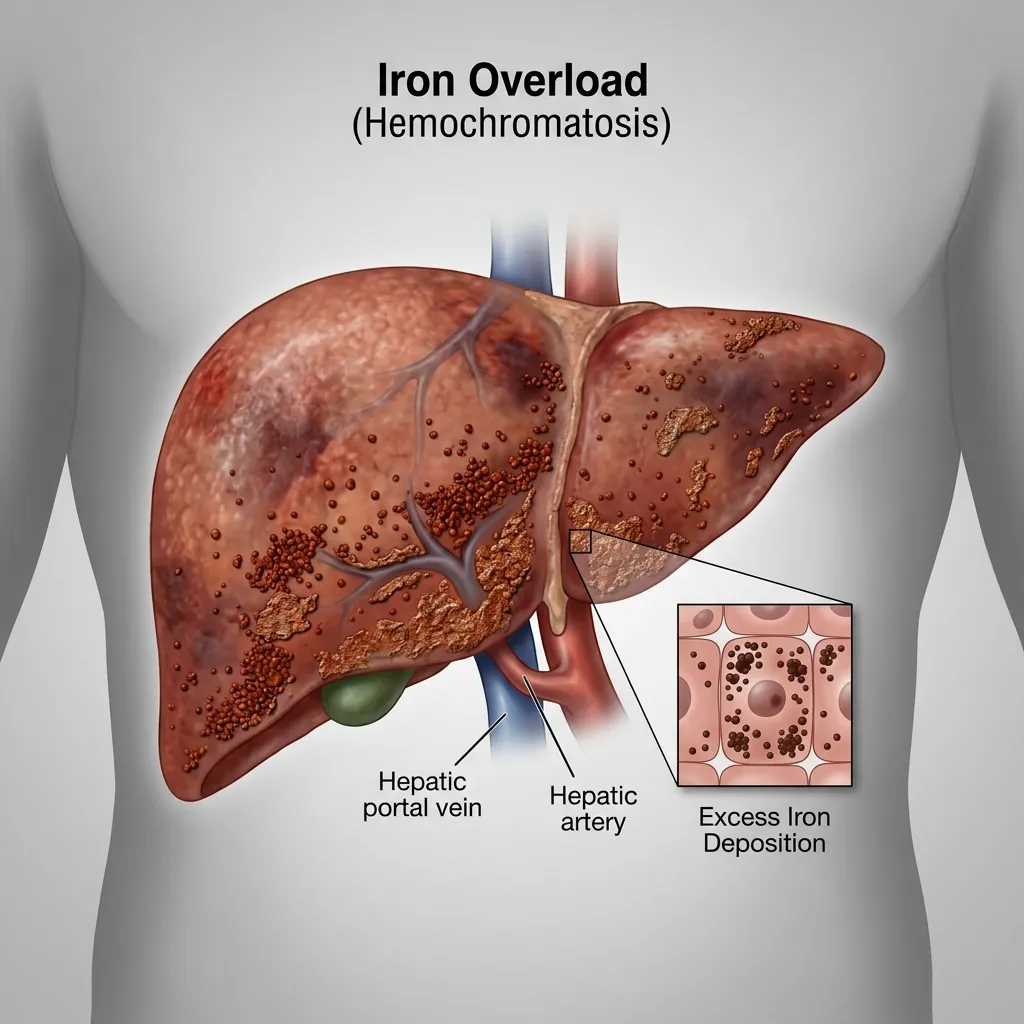
Iron overload occurs when excess iron accumulates in the body’s organs—and for thalassemia patients, this is not a distant risk. It is a near-inevitable consequence of the condition. Two primary mechanisms drive it: ineffective erythropoiesis (the body’s failed attempt to produce healthy red blood cells, which increases iron absorption) and repeated blood transfusions, each of which deposits additional iron directly into the bloodstream.
The body has no natural mechanism to excrete excess iron. Once stored, it settles into vital organs—particularly the liver, heart, and endocrine glands—where it quietly causes damage over time.
How Does Iron Accumulate in the Liver, and What Damage Does It Cause?
The liver is the primary storage site for excess iron. As iron deposits build up within liver cells (hepatocytes), they trigger oxidative stress, inflammation, and progressive scarring.
This damage moves through predictable stages:
- Hepatic fibrosis: The earliest stage, characterized by excess fibrous tissue forming around damaged liver cells. Fibrosis is often reversible with effective chelation therapy if caught early.
- Cirrhosis: Advanced scarring that disrupts liver architecture and function. At this stage, damage becomes much harder to reverse.
- Hepatocellular carcinoma: In severe cases, long-standing iron overload and cirrhosis significantly raise the risk of liver cancer.
How Is Iron Overload Liver Damage Diagnosed?
Early detection matters enormously. Common diagnostic tools include:
- Serum ferritin tests: A blood marker that reflects iron storage levels. Elevated ferritin points toward iron overload, though it can be raised by inflammation too.
- Liver MRI (T2 MRI):* The gold standard for non-invasively measuring liver iron concentration with high accuracy.
- Liver biopsy: Provides definitive information about iron concentration and degree of fibrosis, though it is more invasive than MRI.
Early symptoms of iron overload can be subtle—fatigue, abdominal discomfort, or a general sense of feeling unwell. Because these overlap with thalassemia symptoms generally, regular monitoring is the only reliable way to track liver iron levels.
How Is Iron Overload Conventionally Managed?
Chelation Therapy: The Primary Medical Defense
Chelation therapy is the cornerstone of iron overload management. Chelating agents bind to excess iron in the blood and organs, allowing it to be excreted through urine or stool.
Three agents are commonly used:
- Deferoxamine (DFO): Administered by subcutaneous infusion, usually overnight. Highly effective but time-intensive.
- Deferasirox (DFX): An oral tablet taken once daily, significantly improving patient adherence.
- Deferiprone (DFP): Particularly effective at removing cardiac iron; sometimes used in combination with deferoxamine.
Adherence to chelation therapy is critical. Even brief interruptions can allow iron to accumulate rapidly, especially in heavily transfused patients.
Blood Transfusions: Benefits and Risks
Regular transfusions maintain hemoglobin at levels that allow normal functioning. The benefit—oxygen delivery and symptom relief—is clear. The cost is a steady increase in iron burden with each unit of blood. This is why chelation therapy and transfusions are always managed together.
Dietary Modifications for Iron Overload
Diet does not replace chelation, but it powerfully complements it. Reducing heme iron intake—limiting red meat, organ meats, and iron-fortified products—slows new iron accumulation. For a full breakdown of what to eat and avoid, see our best diet for thalassemia patients guide.
Why Is Exercise Important for Thalassemia Patients?
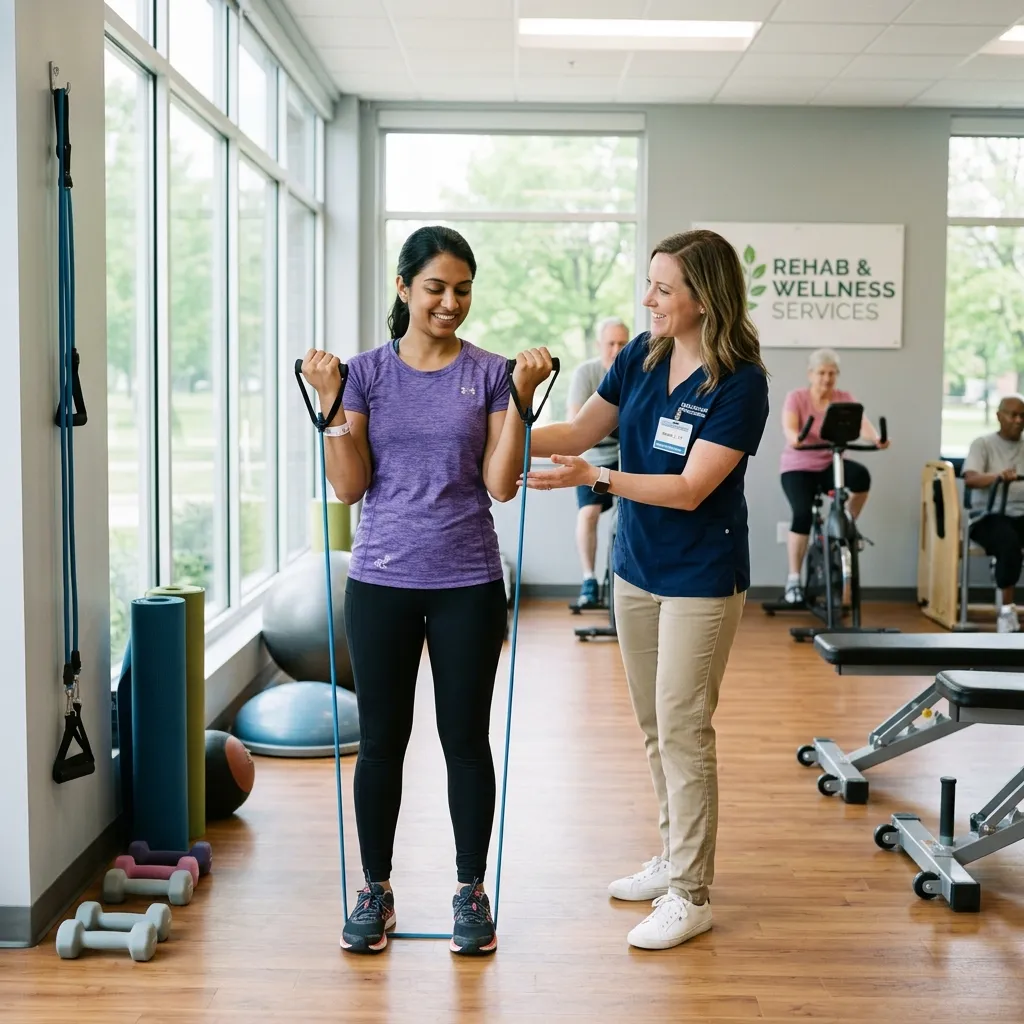 Exercise for thalassemia patients is one of the most underutilized tools in long-term care. Many patients avoid activity out of fear—fear of breathlessness, dizziness, or worsening fatigue. But moderate, well-chosen movement does the opposite.
What Are the Key Benefits of Exercise for Thalassemia Patients?
Improved cardiovascular health: Iron overload and chronic anemia both stress the heart. Regular low-impact exercise strengthens cardiac muscle, improves circulation, and supports heart function over time.
Enhanced muscle strength and bone density: Thalassemia is associated with bone disease, partly due to ineffective erythropoiesis expanding the bone marrow cavity, and partly due to vitamin D and calcium deficiencies. Weight-bearing exercise—even gentle forms—stimulates bone density and reduces fracture risk.
Better mental well-being: Chronic illness takes a psychological toll. Exercise for thalassemia patients consistently reduces anxiety and depression, boosts endorphins, and improves sleep quality—all of which matter enormously for quality of life.
Potential role in iron metabolism: Emerging research suggests that moderate aerobic activity may support hepcidin regulation, the hormone that controls iron absorption. While exercise cannot replace chelation, it may play a supportive role in the broader iron management picture.
For detailed guidance on safe exercise protocols, our safe exercise for anemia patients guide covers the principles that apply directly to thalassemia.
What Types of Exercise Are Recommended for Thalassemia Patients?
- Low-impact aerobics: Walking, swimming, and gentle cycling raise the heart rate without excessive strain. Start with 10–15 minute sessions and build gradually.
- Strength training: Bodyweight movements and resistance bands build muscle without heavy cardiovascular demand.
- Flexibility exercises: Stretching and mobility work improve range of motion, reduce stiffness, and transition naturally into yoga practice.
Yoga for Thalassemia Patients: A Holistic Approach to Healing
Why Does Yoga Fit So Well With Thalassemia Management?
Yoga is not simply stretching. Rooted in thousands of years of physical and philosophical tradition, yoga integrates breath, movement, and mental focus in a way that few other practices do. For someone managing a chronic, complex condition like thalassemia, this combination is particularly valuable.
The benefits of yoga for thalassemia are well aligned with the condition’s most pressing challenges: stress, fatigue, reduced circulation, emotional burden, and the need for a sustainable, adaptable physical practice. Unlike high-intensity workouts, yoga can be modulated minute by minute. A tired patient on a low-energy day can practice restorative poses and breathwork. On a stronger day, they can engage more actively with flowing sequences and longer holds.
What Are the Specific Benefits of Yoga for Thalassemia Patients?
Stress reduction and emotional well-being: Chronic illness is inherently stressful. Regular yoga practice activates the parasympathetic nervous system—the body’s rest-and-digest mode—reducing cortisol levels and calming the nervous system. Studies published in the International Journal of Yoga have found that regular yoga practice significantly reduces anxiety and improves psychological well-being in patients with chronic illnesses.
Improved circulation and organ function: Many yoga poses enhance blood flow to specific regions of the body. Gentle inversions, forward folds, and twists encourage venous return and lymphatic drainage, which can support the delivery of oxygen to tissues—particularly valuable when hemoglobin levels are compromised.
Gentle detoxification and liver support: Twisting poses are traditionally associated in yoga philosophy with stimulating digestive organs, including the liver. While the science is nuanced, the gentle compression and release of twisting movements does increase blood flow to the abdominal organs. Combined with deep breathing, these poses may support hepatic circulation and the body’s natural detoxification processes.
Enhanced flexibility and muscle tone: Yoga builds functional strength and flexibility simultaneously. For thalassemia patients managing bone disease and muscle weakness, this dual benefit is particularly useful. The practice does not require loading heavy weight onto fragile bones.
Which Yoga Poses Are Safe and Beneficial for Thalassemia Patients?
Gentle Asanas
- Cat-Cow (Marjaryasana-Bitilasana): A slow, gentle spinal wave that warms up the spine, massages the abdominal organs, and coordinates movement with breath. An ideal starting pose for any session.
- Child’s Pose (Balasana): A deeply restorative resting position that releases tension in the lower back, hips, and spine. Can be held for several minutes as a rest between more active poses.
- Seated Forward Fold (Paschimottanasana): Gently stretches the hamstrings and lower back while mildly compressing the abdominal cavity. Use a strap or blanket for support if needed.
- Supine Twist (Supta Matsyendrasana): A lying-down twist that releases the spine and stimulates abdominal organs. Modify by keeping both knees bent and lowering them only partway if hip or spinal flexibility is limited.
Restorative Poses
- Legs-Up-The-Wall (Viparita Karani): One of the most accessible inversions. Lying on your back with legs resting against a wall encourages venous return from the legs, reduces swelling, and calms the nervous system. Hold for 5–15 minutes.
- Supported Bridge Pose (Setu Bandha Sarvangasana): Place a yoga block or folded blanket beneath the sacrum for a gentle, supported backbend. Opens the chest, improves circulation, and requires minimal effort.
- Corpse Pose (Savasana): Not just an ending pose—it is a skill. Full, conscious relaxation integrates the benefits of the entire practice and supports nervous system recovery.
Pranayama (Breathing Exercises)
Breathwork deserves as much attention as the physical postures—perhaps more. For thalassemia patients, deliberate breathing practices directly support oxygen delivery and nervous system regulation.
- Nadi Shodhana (Alternate Nostril Breathing): Alternating the breath between left and right nostrils balances the nervous system and promotes calm focus. Practiced for 5–10 minutes, it is an excellent tool for managing pre-appointment anxiety or general stress.
- Diaphragmatic Breathing: Simply learning to breathe deeply into the belly—rather than shallowly into the chest—improves oxygen exchange and activates the parasympathetic response.
- Bhramari (Humming Bee Breath): The gentle vibration created by humming on the exhale has been shown in some studies to reduce blood pressure and anxiety. It is simple, safe, and deeply calming.
Avoid: Hot yoga (Bikram), fast-paced vinyasa flows, inversions involving full headstands, and any practice that produces dizziness or excessive breathlessness. These place too much demand on a cardiovascular system already working harder than normal.
How Do You Find a Qualified Yoga Instructor for Thalassemia?
Look for instructors with experience in therapeutic or adaptive yoga. When contacting potential teachers, be upfront about your diagnosis, current hemoglobin levels, and any recent transfusions. A skilled instructor will modify poses, suggest props, and monitor your energy throughout the session. The Yoga Alliance (yogaalliance.org) offers a directory of registered instructors where you can filter by specialty and location.
Thalassemia Lifestyle Management: Beyond Exercise and Yoga

Nutrition: The Foundation of Thalassemia Lifestyle Management
What you eat shapes how well your body manages iron overload, supports red blood cell production, and maintains energy throughout the day. For thalassemia patients, this means a fundamentally different approach to nutrition compared to typical anemia advice.
The goal is not to load up on iron-rich foods. Most thalassemia patients already accumulate too much iron. Instead, focus on:
- Folic acid: Essential for red blood cell turnover. Found in leafy greens, lentils, avocado, and broccoli.
- Calcium and vitamin D: Critical for bone protection. Dairy, fortified plant milks, and safe sun exposure are key sources.
- Antioxidants: Berries, tomatoes, and colorful vegetables help neutralize the oxidative stress iron causes in cells.
- Limiting heme iron: Red meat, organ meats, and iron-fortified products should be minimized. Pair any iron-containing meals with tea or dairy to slow absorption.
For a complete dietary framework, explore our foods to increase hemoglobin diet guide and our full best diet for thalassemia patients guide. The Harvard T.H. Chan School of Public Health also maintains a reliable Nutrition Source with evidence-based dietary guidance relevant to managing chronic illness.
Hydration, Sleep, and Stress Management
Hydration: Adequate water intake supports healthy circulation, kidney function, and the effectiveness of chelation therapy. Aim for 8 glasses per day as a baseline, adjusting for heat and activity.
Sleep: Poor sleep worsens fatigue, impairs immune function, and disrupts hormone balance. Thalassemia patients often already struggle with fatigue—inconsistent sleep amplifies this significantly. Aim for 7–9 hours per night with a consistent schedule. Restorative yoga and pranayama practiced before bed can meaningfully improve sleep onset and quality.
Stress management: Chronic stress elevates cortisol, suppresses immune function, and worsens fatigue. Beyond yoga, practices like mindfulness meditation, journaling, and social connection all contribute to better thalassemia lifestyle management. Apps like Insight Timer and Calm offer free guided meditations suited to chronic illness.
Regular Medical Check-Ups and Treatment Adherence
No lifestyle practice replaces consistent medical care. Regular monitoring of ferritin, hemoglobin, liver function tests, and organ health markers allows your team to adjust chelation therapy, transfusion frequency, and nutritional support as needed. Yoga and exercise work best as complements to—not substitutes for—this clinical care.
How Do You Integrate Yoga and Exercise Into Your Routine?
Starting Slowly and Building Sustainably
Begin with 10–15 minute yoga sessions, three times per week. Track how you feel the following day. If energy improves or holds steady, gradually extend sessions or add a fourth day. If fatigue worsens, scale back and allow more recovery time.
Creating a Sample Weekly Structure for Exercise for Thalassemia Patients
|
Day |
Activity |
|---|---|
|
Monday |
20 min walking + 10 min pranayama |
|
Tuesday |
30 min gentle yoga (asanas + restorative) |
|
Wednesday |
Rest or 10 min stretching |
|
Thursday |
20 min swimming or cycling |
|
Friday |
30 min yoga (focus on breathwork) |
|
Saturday |
Light walking + mindfulness |
|
Sunday |
Full rest |
This structure is a starting point. Always adjust based on your transfusion schedule, energy levels, and medical advice.
Consulting Healthcare Professionals Before Starting
Bring your proposed exercise and yoga plan to your hematologist before beginning. Share your hemoglobin levels, ferritin trends, and any cardiac or bone complications. A healthcare provider who understands your full clinical picture can give you a far more precise green light than any general guide.
Empowering Thalassemia Patients Through Active Living
Thalassemia management has evolved significantly. Decades ago, the conversation was almost entirely clinical—transfusions, chelation, and monitoring. Today, the evidence strongly supports adding yoga for thalassemia patients, structured exercise for thalassemia patients, and comprehensive thalassemia lifestyle management to the mix.
These are not soft add-ons. They are tools that improve cardiovascular function, protect bone density, support mental health, and help patients reclaim a sense of agency over a condition that can otherwise feel overwhelming. A gentle yoga practice costs nothing but time. A consistent walking habit requires only comfortable shoes.
Start where you are. Even five minutes of Legs-Up-The-Wall and alternate nostril breathing before bed is a beginning. Build from there, with your medical team as your guide, and allow movement to become not a burden, but a genuine source of strength.
Frequently Asked Questions
1. Is yoga safe for thalassemia patients with low hemoglobin?
Yes, yoga is generally safe for thalassemia patients with low hemoglobin when practiced at a gentle pace. Restorative poses, seated postures, and breathwork place minimal cardiovascular demand on the body. Always check with your hematologist before beginning, especially if hemoglobin is below your typical baseline.
2. What are the main benefits of yoga for thalassemia patients?
The benefits of yoga for thalassemia include reduced stress and cortisol levels, improved circulation and oxygen delivery, gentle support for liver and abdominal organ function, enhanced flexibility, and better emotional well-being. Regular practice also improves sleep quality, which is commonly disrupted in thalassemia patients.
3. Can exercise for thalassemia patients help reduce iron overload?
Exercise cannot replace chelation therapy in removing stored iron. However, moderate aerobic exercise may support hepcidin regulation—the hormone that controls iron absorption—and improves overall cardiovascular health. Exercise for thalassemia patients works best as a complement to, not a substitute for, medical iron management.
4. What yoga poses should thalassemia patients avoid?
Thalassemia patients should avoid hot yoga, fast-paced vinyasa flows, full headstands, and any pose that produces dizziness, chest pain, or severe breathlessness. These place excessive demands on a cardiovascular system already managing reduced oxygen-carrying capacity.
5. How often should thalassemia patients practice yoga?
Starting with three sessions per week of 15–30 minutes is appropriate for most patients. Frequency can increase gradually based on energy levels and how the body responds. On transfusion days or post-procedure days, rest is preferable to any physical activity.
6. What breathing exercises are best for thalassemia patients?
Nadi Shodhana (alternate nostril breathing), diaphragmatic breathing, and Bhramari (humming bee breath) are particularly beneficial. These practices activate the parasympathetic nervous system, reduce stress, and improve respiratory efficiency—all valuable for thalassemia lifestyle management.
7. How does thalassemia lifestyle management reduce liver damage from iron overload?
Thalassemia lifestyle management reduces liver iron accumulation indirectly by supporting adherence to chelation therapy, maintaining a low-heme-iron diet, avoiding alcohol, and reducing oxidative stress through antioxidant-rich foods and stress management. None of these replace chelation, but together they protect the liver between medical interventions.
8. Can yoga help with the emotional burden of living with thalassemia?
Yes. Regular yoga practice has been shown to reduce anxiety and depression in patients with chronic illnesses. The combination of controlled breathing, mindful movement, and relaxation activates the parasympathetic nervous system, lowers cortisol, and provides a reliable daily tool for emotional regulation.
9. What is the best type of exercise for thalassemia patients with bone disease?
Low-impact weight-bearing activities—gentle walking, chair-based yoga, and resistance band exercises—are best for thalassemia patients with bone disease. These stimulate bone density without placing high-impact stress on fragile bones. Avoid jumping, heavy weightlifting, and high-impact sports until cleared by your doctor.
10. Do thalassemia patients need a specialized yoga instructor?
A specialized or therapeutically trained instructor is strongly preferred. Thalassemia involves cardiovascular limitations, bone disease risk, and fluctuating energy levels that require individualized modifications. Look for instructors certified in therapeutic or adaptive yoga, and always inform them of your diagnosis before the first session.
