


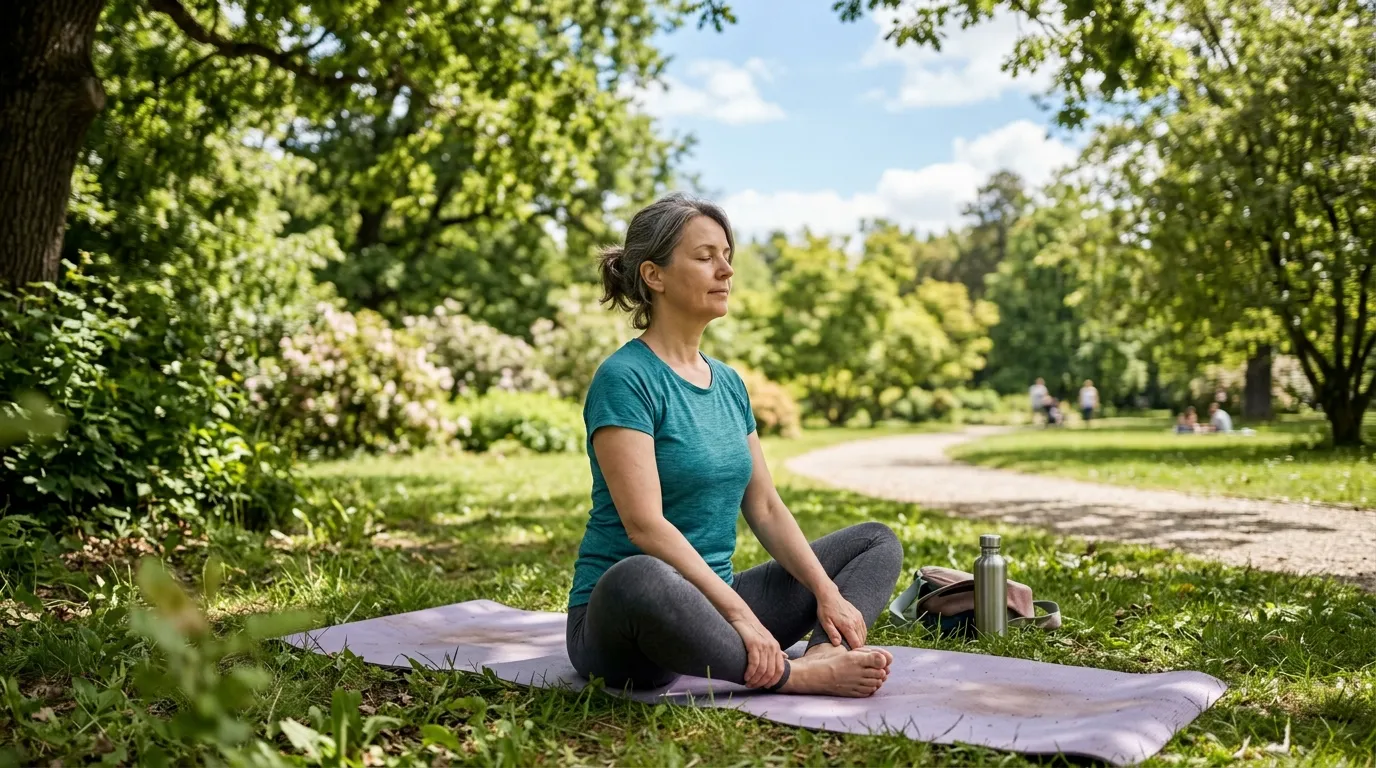
Safe exercise for anemia patients improves energy, strength, and overall well-being when done carefully. Choosing low-impact activities, recognizing warning signs, and following medical advice help people exercise with anemia safely while reducing fatigue and supporting long-term health.
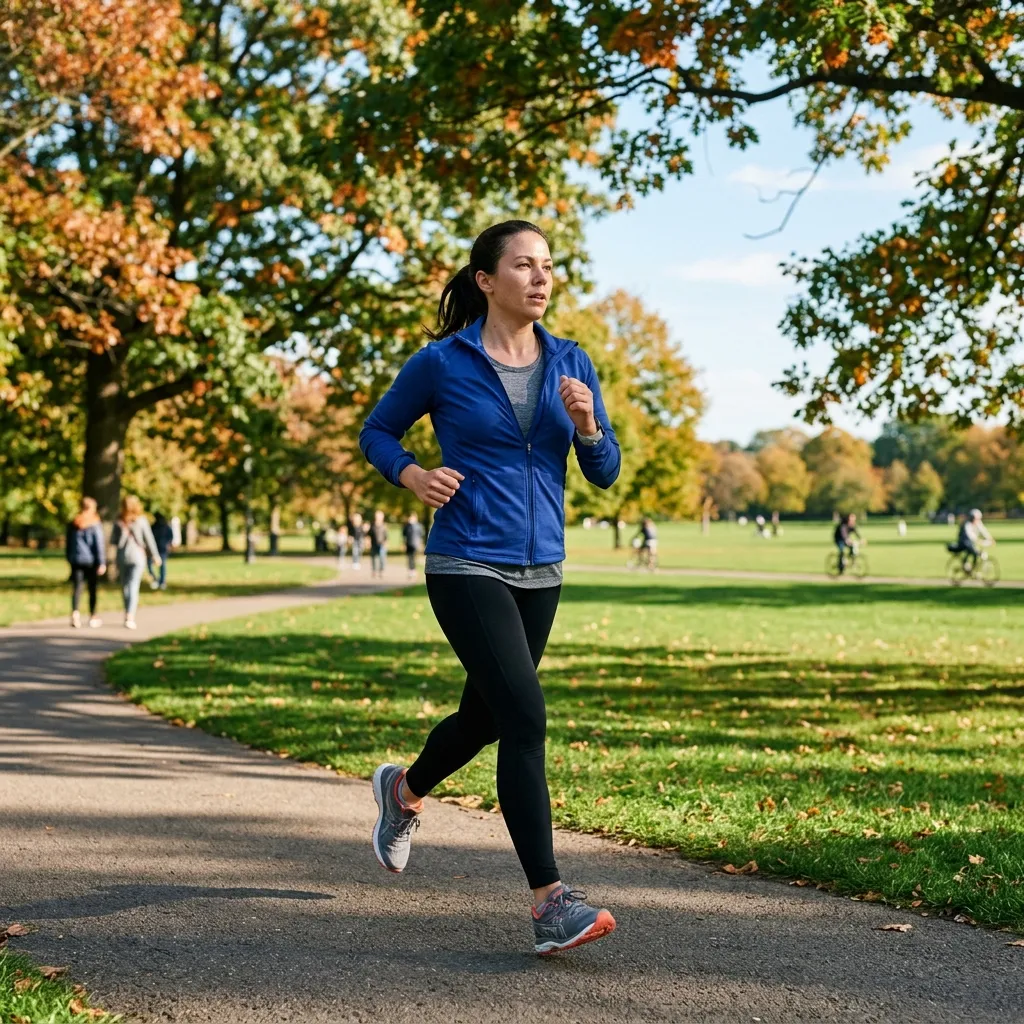
Safe exercise for anemia patients starts long before your first workout. A few key steps protect you from overexertion and help you build a sustainable routine.
What Should You Do Before Starting an Exercise Program?
Consult your doctor first. This is the single most important step. Your physician can review your anemia type, severity, and any underlying causes before clearing you for activity. Severe anemia, in particular, may require treatment before you begin exercising.
Understand your anemia type and severity. Iron-deficiency anemia, vitamin deficiency anemia, and inherited disorders like thalassemia each carry different considerations. If your anemia stems from a nutritional gap, addressing the root cause matters. Our guide on vitamin deficiency anemia causes explains how these shortfalls develop and what to watch for.
Listen to your body. No fitness plan is worth ignoring warning signs. Learn to read your own limits, and never push through dizziness, chest pain, or extreme breathlessness.
What Are the Principles of Safe Exercise With Anemia?
Three principles keep your routine both effective and safe:
- Gradual progression: Start with short, easy sessions and increase intensity slowly over weeks, not days. A sudden jump in effort can leave you exhausted or dizzy.
- Prioritize low-impact activities: Gentle movements place less strain on your cardiovascular system, making them ideal physical activity for people with anemia.
- Build in rest and recovery: Your body needs time to recover, especially when oxygen delivery is limited. Schedule rest days and don’t feel guilty about them.
What Are the Best Exercises for Anemia Patients?
 The best exercises for anemia patients fall into three categories: aerobic activity, strength training, and flexibility work. A balanced routine includes a little of each, scaled to your energy levels.
Which Aerobic Activities Are Safe for Anemia Patients?
Aerobic exercise strengthens your heart and lungs, but it also demands oxygen—so keep the intensity gentle and the pace comfortable.
- Walking: The simplest and most accessible option. Begin with 10 to 15 minutes and build up as your stamina improves.
- Swimming: The water supports your body weight, reducing strain on joints while providing a full-body workout. The cool environment also helps prevent overheating.
- Cycling: A stationary bike lets you control resistance easily. Gentle outdoor rides on flat terrain work well too, as long as you pace yourself.
- Light aerobics or dance: Low-impact classes or dancing at home keep things fun while raising your heart rate modestly.
How Can Anemia Patients Approach Strength Training?
Building muscle improves metabolism and supports daily function. Keep the loads light and the focus on form.
- Bodyweight exercises: Squats, wall push-ups, and gentle lunges build strength without equipment.
- Resistance bands: These offer adjustable, joint-friendly resistance and are easy to use at home.
- Light weights: Start with one- or two-pound weights and progress slowly. Higher repetitions with lighter loads are safer than heavy lifting.
Which Flexibility and Balance Exercises Help?
Flexibility and balance work require little oxygen and offer big rewards in mobility and relaxation.
- Stretching: Gentle daily stretches keep muscles supple and reduce stiffness.
- Modified yoga: Restorative or chair yoga improves flexibility and calms the mind. Skip intense, fast-paced styles like hot yoga.
- Tai chi: This slow, flowing practice improves balance and circulation with minimal exertion, making it ideal for those with low energy.
How Do You Monitor and Adapt Your Exercise Routine?
Staying safe means paying attention and adjusting as you go. Your needs may change from day to day depending on your symptoms and energy.
What Warning Signs Should You Watch for During Exercise?
Stop exercising immediately if you notice any of these:
- Chest pain or tightness
- Severe shortness of breath
- Dizziness or lightheadedness
- A racing or irregular heartbeat
- Extreme fatigue or weakness
- Nausea or fainting
These signals mean your body is struggling to deliver enough oxygen. Rest, hydrate, and contact your doctor if symptoms persist.
How Should You Adjust Intensity and Duration?
On low-energy days, shorten your session or drop the intensity. On better days, you can do a little more. Track how you feel after each workout so you can spot patterns and fine-tune your routine. The goal is consistency over time, not heroics on any single day.
What Role Do Hydration and Nutrition Play?
Good hydration supports healthy circulation and helps your body distribute oxygen efficiently. Drink water before, during, and after exercise. Nutrition matters too—the right foods fuel your activity and support red blood cell production. If your anemia is diet-related, our guide on foods to increase hemoglobin explains which nutrients help and how to combine them for better absorption.
What Are Practical Tips for Exercising Safely With Anemia?
Small habits make a big difference in how comfortable and consistent your routine feels.
- Warm up and cool down. Spend five minutes warming up with gentle movement, and cool down with light stretches. This eases your cardiovascular system in and out of activity.
- Exercise in a comfortable environment. Avoid extreme heat or cold, which can strain an already taxed system. A cool, well-ventilated space is ideal.
- Set realistic goals. Celebrate small wins, like walking an extra five minutes. Progress with anemia is often slow and steady.
- Find a workout buddy or support system. A friend keeps you accountable and can spot warning signs if you start to overdo it.
How Does Lifestyle Support Anemia Management for Active People?
 Exercise works best as part of a bigger picture. A few supporting habits round out your plan.
What Nutritional Strategies Support Energy Levels?
Eating to support your blood health gives your workouts a foundation. Depending on the cause of your anemia, you may need more iron, folate, or vitamin B12. Our foods to increase hemoglobin diet guide breaks down the most effective nutrient combinations. If you have an inherited disorder like thalassemia, your needs differ significantly—the micronutrients for blood health guide offers a broader look at the vitamins and minerals your blood relies on.
Why Does Sleep Matter So Much?
Quality sleep gives your body time to repair tissue and produce red blood cells. Aim for seven to nine hours a night, and keep a consistent sleep schedule. Poor sleep amplifies the fatigue anemia already causes.
How Can Stress Management Help?
Chronic stress can affect overall health and nutrient absorption. Techniques like deep breathing, meditation, and gentle yoga calm your system and support recovery. Many of these double as flexibility exercises, so they pull double duty.
What Should You Know About Supplementation?
Supplements can fill nutritional gaps, but they’re not one-size-fits-all. Iron supplements help iron-deficiency anemia, yet they can be dangerous for people with conditions like thalassemia, who often carry too much iron. Always confirm your needs with a blood test and a doctor before supplementing. For a deeper look at the options, Healthline offers a useful overview of anemia supplements. For trusted, accessible health information on anemia generally, the Centers for Disease Control and Prevention is a reliable resource.
Conclusion
Practicing safe exercise for anemia patients can improve strength, stamina, and overall quality of life when approached with care. Choosing the best exercises for anemia patients, monitoring symptoms, and following healthcare guidance allow individuals to exercise with anemia safely without placing unnecessary stress on the body. By starting gradually, staying hydrated, and listening to your body’s limits, people with anemia can enjoy the benefits of regular physical activity while supporting long-term health and well-being.
Frequently Asked Questions About Exercise and Anemia
1. Can I still do intense workouts with anemia?
Intense workouts are generally not recommended, especially with moderate to severe anemia. High-intensity exercise demands more oxygen than your blood can deliver, raising the risk of dizziness, fainting, and exhaustion. Stick to gentle, low-impact activity and increase intensity only with your doctor’s approval.
2. How often should I exercise if I have anemia?
Most people with mild anemia can aim for three to five short sessions per week, with rest days in between. Start with 10 to 15 minutes and build up gradually. Always scale your routine to your energy levels and symptoms rather than following a rigid schedule.
3. What are the best foods to eat before exercising with anemia?
Choose a light snack that combines complex carbohydrates with a little protein, such as oatmeal with nuts or a banana with peanut butter. Avoid heavy meals right before exercise. Staying hydrated is just as important as what you eat.
4. When should I stop exercising due to anemia symptoms?
Stop immediately if you experience chest pain, severe shortness of breath, dizziness, fainting, nausea, or an irregular heartbeat. These signs mean your body cannot supply enough oxygen. Rest, hydrate, and contact your doctor if symptoms continue or recur.
5. Is it safe to exercise during an anemia flare-up?
During a flare-up, when symptoms intensify, it’s usually best to rest or limit yourself to very gentle stretching. Pushing through severe fatigue can be dangerous. Wait until your symptoms ease and, if you’re unsure, check with your doctor before resuming activity.
6. Can exercise help improve my anemia?
Exercise does not cure anemia, but regular moderate activity can stimulate red blood cell production and improve how efficiently your body uses oxygen over time. Combined with proper treatment and nutrition, it supports better energy and overall health.
7. What kind of footwear is best for exercising with anemia?
Choose supportive, cushioned shoes that fit well and suit your chosen activity. Good footwear reduces joint strain and lowers the risk of injury during walking or low-impact workouts—important when fatigue may affect your balance and coordination.
8. Should I track my iron levels while exercising?
Yes, if your anemia is iron-related. Regular blood tests help you and your doctor see whether your levels are improving and whether your routine is appropriate. Monitoring is especially important if you take supplements or have an inherited condition.
9. Are there any exercises to avoid with severe anemia?
With severe anemia, avoid high-intensity cardio, heavy weightlifting, and activities that risk falls or overheating. These place too much demand on your oxygen supply. Focus instead on gentle stretching, short walks, and breathing exercises until your levels improve.
10. Where can I find more resources on managing anemia and staying active?
ThalassemiaCareHub offers several related guides, including our foods to increase hemoglobin diet guide and micronutrients for blood health guide. For inherited disorders, the best diet for thalassemia patients guide provides tailored advice. Always pair online resources with professional medical guidance.
