


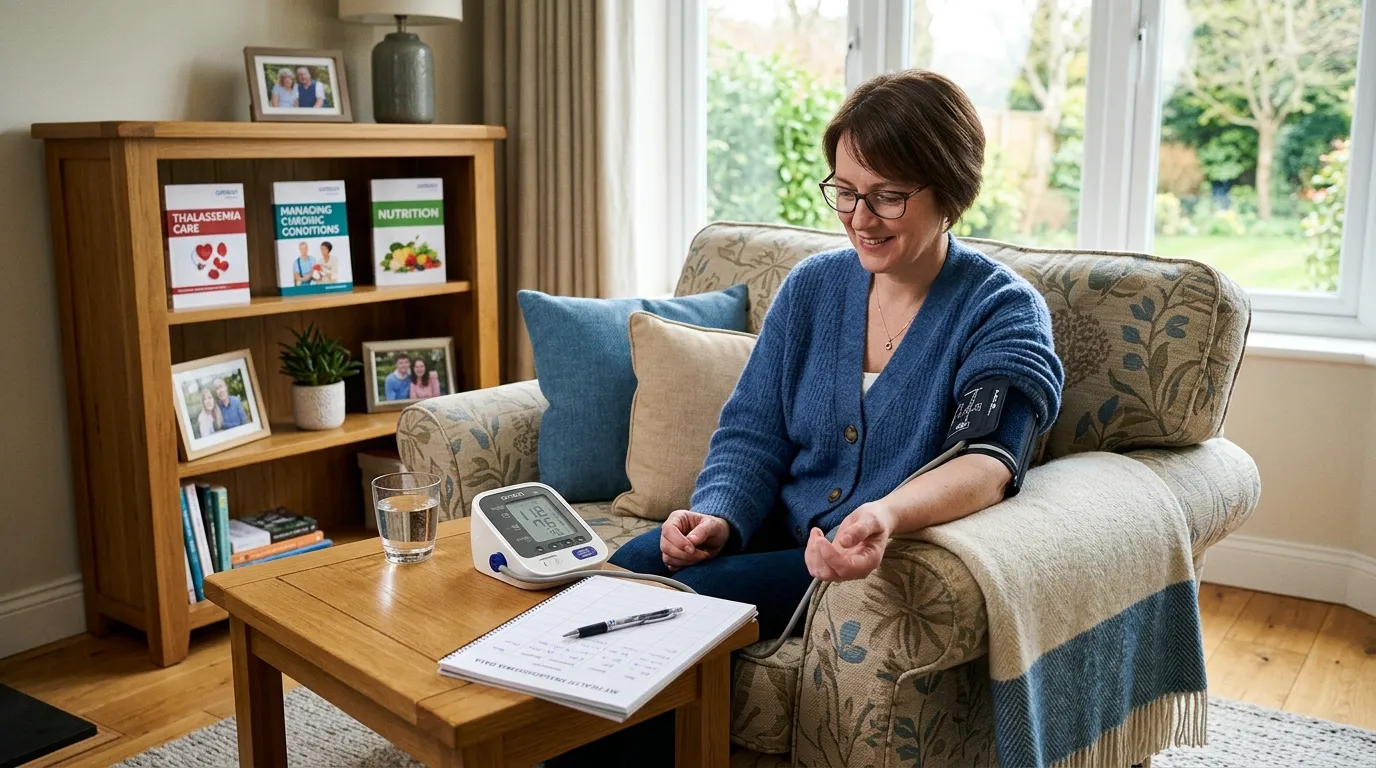
Monitoring how to monitor thalassemia at home is an important part of managing the condition and maintaining overall health. Regularly tracking symptoms such as fatigue, pale skin, shortness of breath, changes in energy levels, and signs of infection can help patients identify potential complications early. Keeping a health journal, following prescribed medications, maintaining a balanced diet, and attending scheduled medical appointments are all essential components of effective home monitoring.
How to monitor thalassemia at home means tracking symptoms, vital signs, hydration, and medication daily using simple tools like a thermometer, pulse oximeter, scale, and a health journal—while staying in close contact with your hematology team.
Living with thalassemia means paying close attention to your body every day. While hospital visits, blood tests, and transfusions remain the backbone of treatment, much of your daily care happens at home. Learning how to monitor thalassemia at home gives you a clearer picture of your health between appointments and helps you catch warning signs early.
For many patients, small changes in energy levels, appetite, sleep patterns, or physical symptoms can signal the need for medical attention. By keeping track of these changes, you can provide your healthcare team with valuable information that may improve treatment decisions and overall disease management. Home monitoring also encourages greater awareness of your condition, helping you recognize what is normal for your body and what may require further evaluation.
This guide walks you through the essential tools, the symptoms to track, and the lifestyle habits that support stable health. You will also learn how to spot red flags that require urgent medical attention. The goal is simple: to help you feel more confident and in control of your condition.
One important note before we begin: home monitoring is a powerful support tool, but it does not replace professional medical care. Always interpret your readings alongside advice from your hematologist, and never adjust treatment on your own. Instead, use the information you collect to support meaningful discussions with your healthcare team and to better understand your ongoing health needs.
Understanding how to monitor thalassemia at home can also reduce anxiety by providing a structured approach to daily health management. Rather than waiting for scheduled appointments to assess how you are doing, regular monitoring allows you to identify patterns, track progress, and respond quickly to potential concerns. Whether you are living with thalassemia yourself or caring for a loved one, developing a consistent monitoring routine can contribute to safer, more proactive care and improved long-term well-being.
What Is Thalassemia and Why Does Home Monitoring Matter?
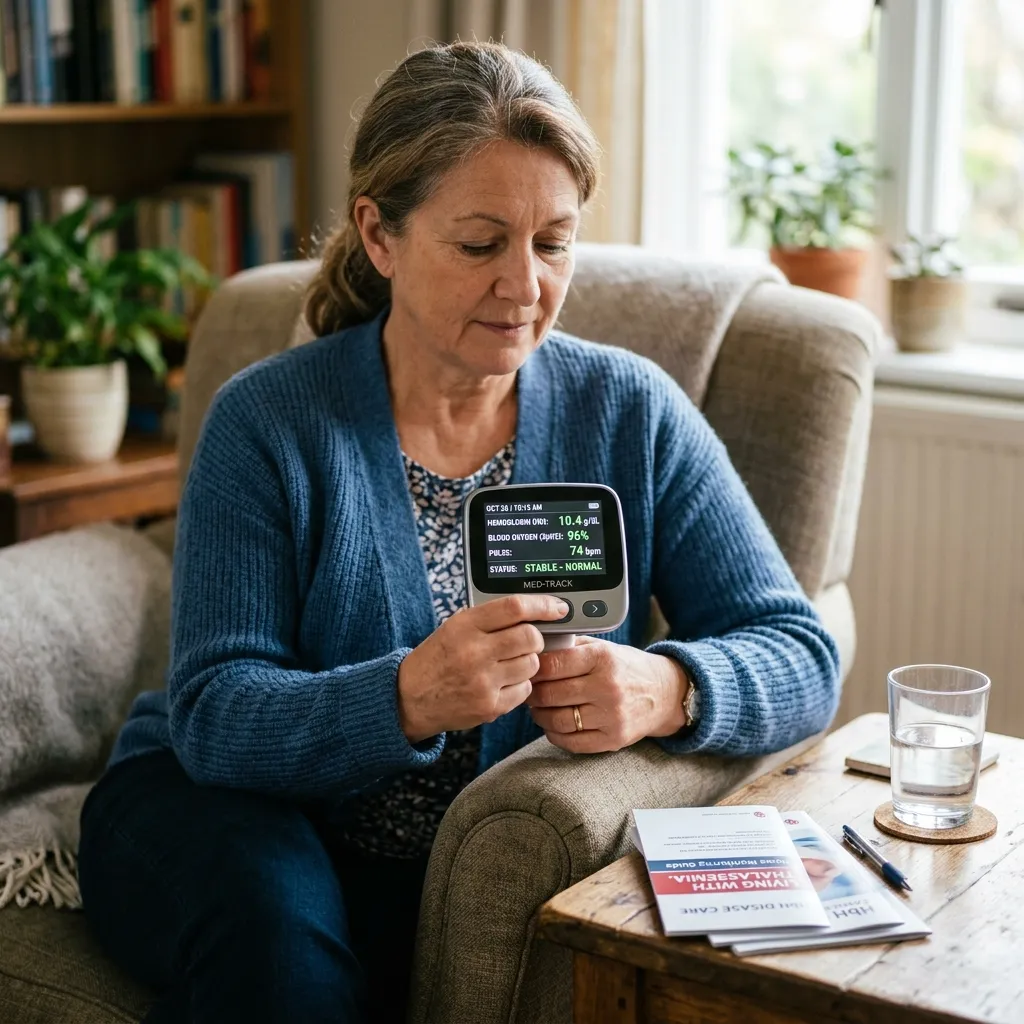 Thalassemia is an inherited blood disorder in which the body produces too little normal hemoglobin—the protein inside red blood cells responsible for carrying oxygen throughout the body. When hemoglobin levels are low, tissues and organs receive less oxygen than they need, often resulting in chronic anemia, fatigue, weakness, shortness of breath, and reduced physical stamina. Depending on the type and severity of thalassemia, patients may also experience growth delays, bone changes, enlarged organs, or complications related to iron overload and frequent blood transfusions.
Because thalassemia is a lifelong condition, ongoing management is essential. Medical treatments such as blood transfusions, iron chelation therapy, and routine laboratory testing play a crucial role in maintaining health. However, a significant portion of thalassemia care happens outside the hospital. This is where understanding how to monitor thalassemia at home becomes especially important.
Learning how to monitor thalassemia at home allows patients and caregivers to stay aware of daily health changes and identify potential problems before they become serious. Symptoms can fluctuate due to infections, stress, poor nutrition, dehydration, medication changes, or the timing of blood transfusions. By tracking these changes consistently, patients gain a better understanding of their condition and can provide healthcare providers with valuable information during medical visits.
Home monitoring also encourages active participation in treatment. Keeping records of symptoms, energy levels, sleep quality, body weight, hydration, and medication use can reveal patterns that might otherwise go unnoticed. For example, increasing fatigue, frequent headaches, or reduced exercise tolerance may indicate that hemoglobin levels are dropping and that medical evaluation is needed. Understanding how to monitor thalassemia at home helps patients recognize these warning signs earlier and seek timely care.
In addition, regular home monitoring can improve communication with healthcare professionals. Rather than relying solely on memory during appointments, patients can share detailed records that help doctors assess treatment effectiveness and make more informed decisions. This proactive approach often leads to better disease management and improved quality of life.
Home Monitoring vs. Professional Medical Care: Where’s the Line?
While learning how to monitor thalassemia at home is an important part of self-care, it is essential to understand its limitations. Home monitoring helps you observe trends, document symptoms, and identify concerns early, but it cannot diagnose medical complications or replace professional healthcare services.
Many critical aspects of thalassemia management require laboratory testing and specialized medical evaluation. For example, home monitoring cannot accurately measure hemoglobin levels, ferritin levels, liver function, heart health, or iron overload. These assessments require blood tests, imaging studies, and regular consultations with a hematologist.
Think of home monitoring as an early warning system rather than a diagnostic tool. Its purpose is to help you recognize changes in your health and communicate them effectively to your medical team. If you notice worsening symptoms, unusual fatigue, persistent fever, breathing difficulties, severe pain, or any other concerning signs, professional medical advice should always be sought promptly.
The most effective approach combines regular medical care with consistent home observation. By understanding how to monitor thalassemia at home and working closely with healthcare providers, patients can take a more active role in managing their condition while ensuring they receive the expert care needed for long-term health and well-being.
Understanding Your Thalassemia Diagnosis
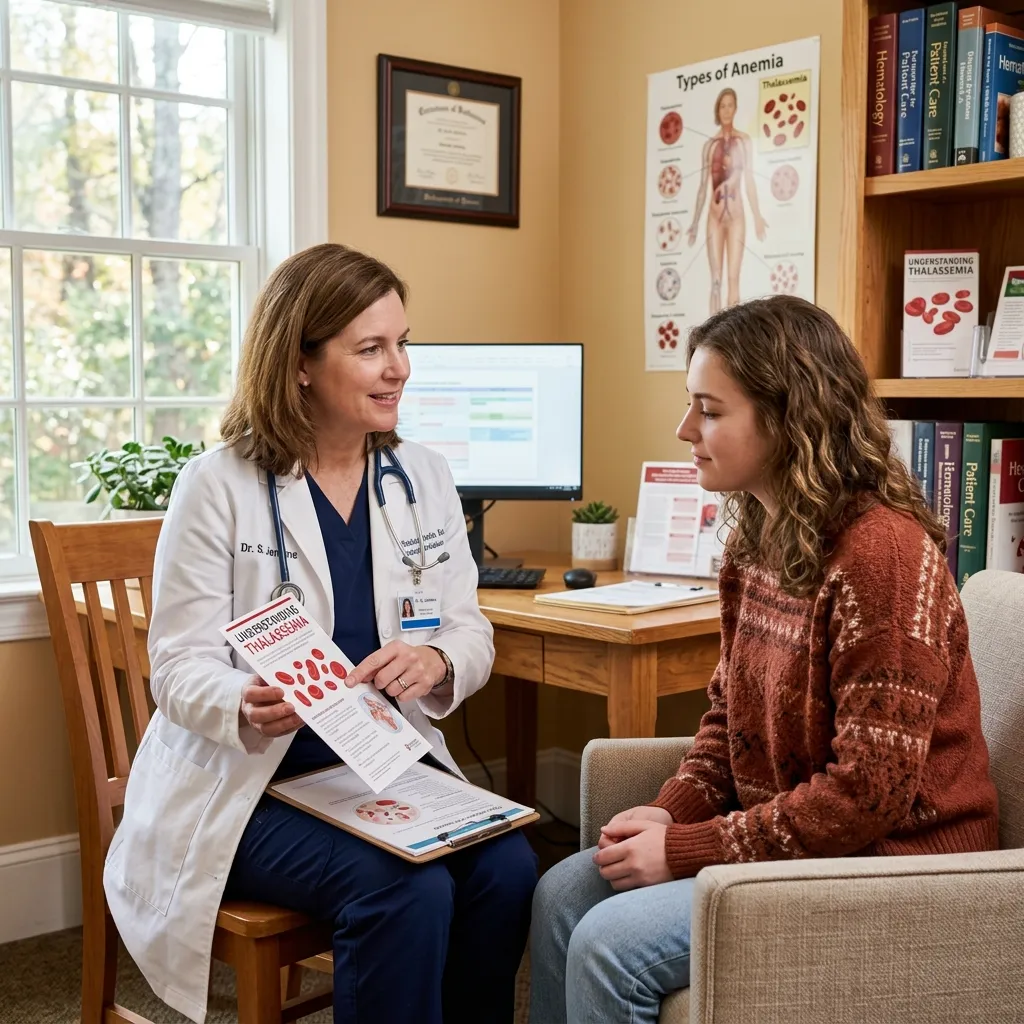 Before you begin learning how to monitor thalassemia at home, it is important to understand your specific diagnosis and the medical information that guides your treatment. Thalassemia is not a single condition but a group of inherited blood disorders that vary significantly in severity. Knowing your type of thalassemia, your treatment requirements, and the meaning of key laboratory values will help you make better sense of the symptoms and health changes you track at home.
The more informed you are about your condition, the easier it becomes to recognize what is normal for you and what may require medical attention. Understanding your diagnosis also allows you to have more productive conversations with your healthcare team and participate actively in long-term disease management.
What Are the Main Types of Thalassemia?
Thalassemia is classified according to which part of the hemoglobin molecule is affected. Hemoglobin consists of alpha and beta globin chains that work together to transport oxygen throughout the body. Problems in producing either chain can result in different forms of thalassemia.
Alpha-Thalassemia
Alpha-thalassemia occurs when one or more genes responsible for producing alpha globin chains are missing or defective. The severity depends on how many genes are affected.
Common forms include:
- Silent carrier: Usually causes no symptoms and often goes undetected.
- Alpha-thalassemia trait: May cause mild anemia but generally does not require significant treatment.
- Hemoglobin H disease: Causes moderate to severe anemia and may require ongoing medical care.
- Alpha-thalassemia major: The most severe form, often resulting in serious complications before or shortly after birth.
People with more severe forms of alpha-thalassemia may need to pay closer attention to symptoms when learning how to monitor thalassemia at home, particularly fatigue, infections, and signs of worsening anemia.
Beta-Thalassemia
Beta-thalassemia develops when the body cannot produce enough beta globin chains. This form is commonly divided into three categories:
- Beta-thalassemia minor (trait): Usually causes mild anemia with few symptoms.
- Beta-thalassemia intermedia: Produces moderate symptoms and may occasionally require blood transfusions.
- Beta-thalassemia major: A severe form that often requires lifelong blood transfusions and comprehensive medical management.
For patients with beta-thalassemia major, understanding how to monitor thalassemia at home is especially important because health status can change between transfusions, and early detection of complications can improve outcomes.
Why Does Your Thalassemia Type Matter?
Your specific diagnosis influences nearly every aspect of your care, including:
- How often you need medical appointments.
- Whether you require blood transfusions.
- Your risk of iron overload.
- The symptoms you should monitor regularly.
- The likelihood of developing long-term complications.
Someone with thalassemia trait may only need occasional monitoring, while a person with transfusion-dependent thalassemia may need daily symptom tracking and careful observation of overall health. Understanding these differences helps create a personalized approach to how to monitor thalassemia at home.
Which Medical Terms Should You Know?
When discussing thalassemia with healthcare providers, several medical terms appear frequently. Understanding these terms can help you interpret test results and better follow your treatment plan.
Hemoglobin (Hb)
Hemoglobin is the oxygen-carrying protein found inside red blood cells. Because thalassemia affects hemoglobin production, Hb levels are often lower than normal.
Low hemoglobin levels may contribute to:
- Fatigue
- Weakness
- Dizziness
- Pale skin
- Shortness of breath
While you cannot measure hemoglobin directly at home, monitoring symptoms associated with low Hb is an important part of how to monitor thalassemia at home.
Ferritin
Ferritin is a protein that stores iron in the body and serves as an indicator of overall iron levels.
For many people with transfusion-dependent thalassemia, ferritin monitoring is critical because repeated blood transfusions can cause iron overload. Excess iron can accumulate in organs such as the liver, heart, and endocrine glands, potentially leading to serious complications.
Although ferritin levels require laboratory testing, patients learning how to monitor thalassemia at home should remain aware of symptoms that may suggest complications related to iron overload and maintain regular testing schedules recommended by their doctors.
MCV (Mean Corpuscular Volume)
MCV measures the average size of red blood cells. In thalassemia, red blood cells are often smaller than normal, resulting in a low MCV value.
Doctors use MCV along with other laboratory results to help diagnose and monitor blood disorders. While MCV cannot be tracked at home, understanding its significance can help patients better interpret their blood test reports.
Red Blood Cell Count (RBC)
The RBC count measures how many red blood cells are present in the bloodstream. This value provides additional information about how effectively oxygen is being transported throughout the body.
Changes in RBC count may help physicians evaluate disease severity and treatment response.
Iron Chelation Therapy
Iron chelation therapy refers to medications that remove excess iron from the body. Patients receiving regular blood transfusions often require chelation therapy to prevent iron overload complications.
Part of learning how to monitor thalassemia at home includes tracking medication adherence, noting side effects, and reporting concerns to healthcare providers.
How Understanding Your Diagnosis Supports Home Monitoring
A solid understanding of your diagnosis forms the foundation of effective self-management. When you know your thalassemia type, understand common laboratory values, and recognize the symptoms associated with anemia or iron overload, you are better prepared to monitor your health accurately.
Learning how to monitor thalassemia at home is not just about recording symptoms—it is about understanding what those symptoms may mean in the context of your condition. The more familiar you become with your diagnosis, the more confident and proactive you can be in managing your health and working with your medical team to achieve the best possible outcomes.
Understanding these terms makes your lab reports far less intimidating. For a deeper breakdown of your blood work, read this guide on how to read CBC for thalassemia.
How do you access and understand your medical records?
Ask your clinic for digital access to your lab results. Many hospitals offer secure patient portals where you can download your CBC and ferritin reports. Keep a personal log of past results so you can spot trends. If your hemoglobin usually sits around 9.0 g/dL, a drop to 8.5 g/dL is worth a conversation with your doctor—even if both numbers look low to someone without thalassemia.
What tools do you need to monitor thalassemia at home?
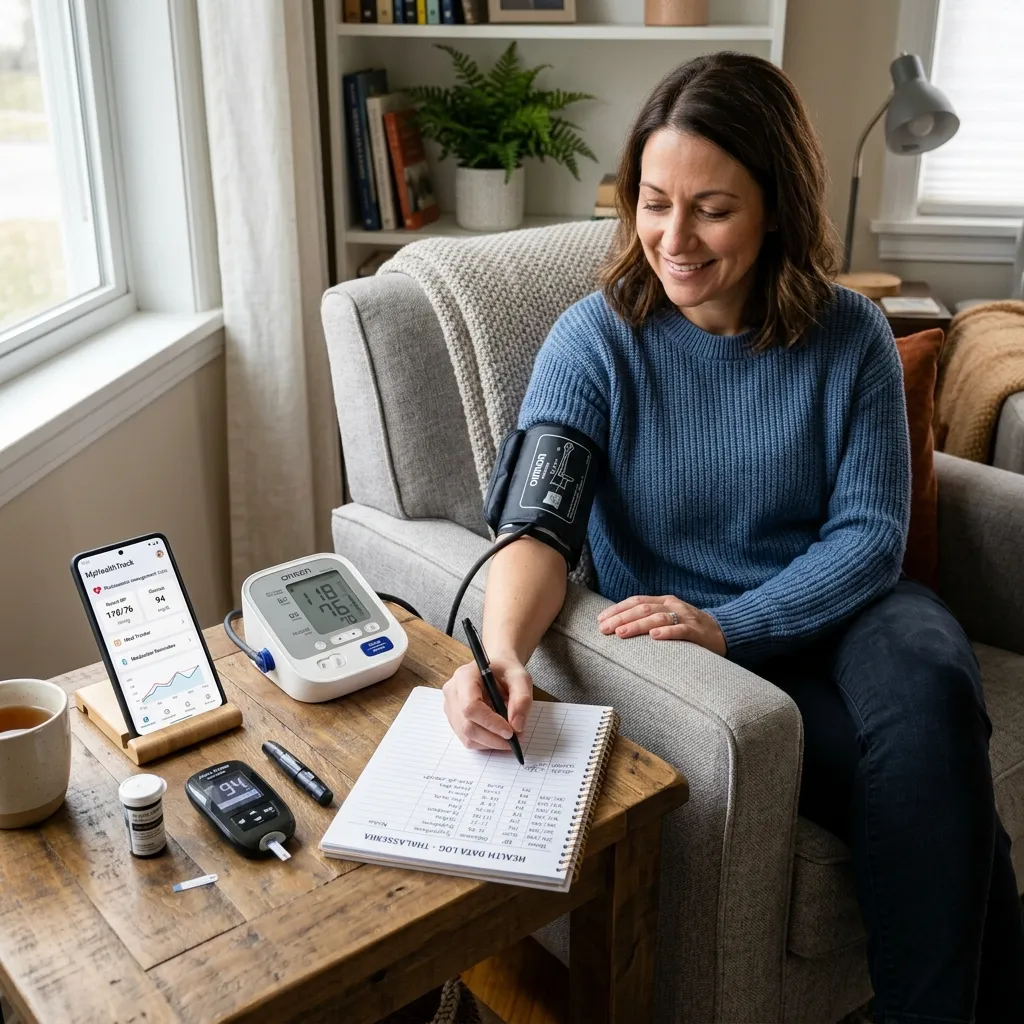 You do not need expensive equipment to monitor thalassemia at home. A handful of affordable, reliable tools covers most of what you need.
- Thermometer: Tracks fever, which is especially important if you have had your spleen removed and face a higher infection risk.
- Blood pressure cuff: Helps monitor cardiovascular health, a priority for patients managing iron overload.
- Pulse oximeter: Measures blood oxygen saturation (SpO2). A sudden drop can signal worsening anemia.
- Scale: Tracks weight changes that may point to fluid retention or nutritional issues.
- Journal or app: Records symptoms, readings, medications, and energy levels so you can spot patterns over time.
A consistent log is the thread that ties all these tools together. Visualizing your data—whether on paper or in an app—makes long-term trends much easier to see and share with your care team.
How do you monitor key health indicators at home?
The heart of home monitoring is paying steady attention to how your body feels and functions. Track these areas regularly.
Which thalassemia symptoms should you track daily?
Anemia drives most of the day-to-day symptoms of thalassemia. Keep an eye on:
- Fatigue and weakness: Note your energy on a scale of one to ten each day.
- Pale skin: Check your face, nail beds, and inner eyelids.
- Shortness of breath: Watch for breathlessness during activities that normally feel easy.
- Jaundice: A yellow tint to the skin or eyes can signal rapid red blood cell breakdown.
- Dark urine: Often appears alongside jaundice and warrants attention.
- Abdominal swelling: May suggest an enlarged spleen or liver.
What are the warning signs of iron overload?
Iron overload is one of the most serious risks for patients who receive regular transfusions. Excess iron builds up silently in the heart, liver, and endocrine glands. Watch for:
- Joint pain
- Abdominal pain
- Heart palpitations
If you notice these symptoms, contact your hematologist. They may need to check your ferritin levels and adjust your iron chelation therapy.
How do hydration and nutrition support home monitoring?
Staying hydrated keeps your circulation healthy and helps your kidneys flush out toxins targeted by chelation therapy. Dehydration can worsen fatigue, headaches, and dizziness—symptoms that already burden people with low oxygen levels. Aim for around eight glasses of water a day, and more during hot weather or illness.
Nutrition plays an equally important role. Because many patients must limit iron, a thoughtful diet rich in folic acid, calcium, and vitamin D supports blood production and bone health. For meal planning and food choices tailored to this condition, explore these nutritional strategies for thalassemia.
How do you manage medications and treatments at home?
Medication management is a daily responsibility for many thalassemia patients, and consistency matters.
Why is medication adherence so important?
Iron chelation therapy removes excess iron from the body and protects your vital organs. Skipping doses allows iron to accumulate, which can lead to heart and liver damage over time. Build your medication schedule into your daily routine and use phone reminders or a pill organizer to stay on track.
How should you store and administer medications?
Follow the storage instructions on every prescription. Some medications need refrigeration, while others must stay away from direct sunlight and heat. Keep a written or digital log of when you take each dose so you never double up or miss one.
When should side effects prompt a call to your doctor?
Learn the common side effects of your specific medications. If you notice unusual symptoms—such as severe stomach upset, vision or hearing changes, or skin reactions—contact your healthcare provider promptly. Never stop a prescribed medication on your own.
Which lifestyle adjustments help manage thalassemia?
 Daily habits shape your long-term health as much as any single test result.
What diet works best for thalassemia?
Focus on lean proteins, complex carbohydrates, and healthy fats while carefully managing iron intake. Limit iron-rich red meats and iron-fortified cereals unless your doctor advises otherwise. Drinking tea with meals can reduce iron absorption, and calcium-rich foods support both bone health and iron control.
How can you exercise safely with thalassemia?
Movement strengthens your heart, lifts your mood, and improves circulation—but it must match your body’s limits. Low-impact activities like walking, swimming, and gentle yoga are ideal. Avoid high-impact and contact sports, especially if you have bone fragility or an enlarged spleen. For a full breakdown of safe routines, read this guide on how to exercise with thalassemia safely.
How do stress and sleep affect thalassemia?
Chronic stress raises cortisol, which can disrupt sleep, digestion, and immune function. Build relaxation into your routine through deep breathing, meditation, or gentle stretching. Aim for consistent, quality sleep, since rest is when your body repairs and recovers.
When should you seek medical attention?
Home monitoring helps you recognize when something needs urgent care. Treat the following as red flags.
What are the severe symptoms to watch for?
Contact your doctor right away if you experience extreme fatigue that does not improve with rest, worsening shortness of breath, or significant paleness paired with a racing heart.
Which changes in your health indicators are concerning?
A noticeable drop in your usual oxygen saturation, an unexplained fever (especially after a splenectomy), or rapid weight gain that suggests fluid retention all deserve prompt medical attention.
What counts as an emergency?
Seek emergency care immediately for chest pain, fainting, severe difficulty breathing, or sudden, intense abdominal pain. These can signal serious complications such as cardiac stress or organ involvement.
How do you build a strong support system?
Managing a lifelong condition is easier with people in your corner.
- Family and friends: Share what you are going through so loved ones can offer practical and emotional support.
- Support groups: Connecting with others who live with thalassemia reduces isolation and offers real-world advice.
- Healthcare providers: Maintain open, regular communication with your hematologist, primary care doctor, and any specialists. Bring your home monitoring log to appointments so your team has the full picture.
Taking charge of your thalassemia care
Learning how to monitor thalassemia at home transforms you from a passive patient into an active partner in your own care. By tracking your symptoms, checking your vital signs, staying hydrated, eating well, and taking your medications consistently, you give your medical team the information they need to keep you healthy.
Remember that home monitoring works best as part of a larger plan. Keep your scheduled appointments, ask questions about your lab results, and lean on trusted resources like the Centers for Disease Control and Prevention (CDC) and the World Health Organization (WHO) to expand your knowledge.
Start small this week. Pick up a journal or download a health app, choose one or two indicators to track, and build from there. Each consistent habit brings you one step closer to a more stable, confident life with thalassemia.
Frequently Asked Questions (FAQ)
1. How do you monitor thalassemia at home?
You monitor thalassemia at home by tracking daily symptoms like fatigue and pale skin, checking vital signs with a thermometer, pulse oximeter, and blood pressure cuff, recording your weight, and keeping a health journal. Always review your findings with your hematologist.
2. Can home monitoring replace blood tests for thalassemia?
No. Home monitoring cannot measure hemoglobin, ferritin, or other lab values. It helps you track trends and symptoms between appointments, but regular blood tests remain essential for accurate diagnosis and treatment decisions.
3. What tools do I need to monitor thalassemia at home?
The basic tools are a thermometer, a blood pressure cuff, a pulse oximeter, a weight scale, and a journal or app for tracking. These affordable items cover most daily monitoring needs.
4. How often should I check my symptoms at home?
A daily check works best for most patients. Brief daily notes on energy levels, breathing, skin color, and any new symptoms help you and your doctor spot changes early.
5. What are the warning signs of iron overload I should watch for?
Watch for joint pain, abdominal pain, and heart palpitations. These can signal that iron is building up in your organs. Report these symptoms to your doctor, who may check your ferritin levels.
6. Why is a pulse oximeter useful for thalassemia patients?
A pulse oximeter measures your blood oxygen saturation. A sudden drop can act as an early warning sign of worsening anemia, prompting you to contact your care team.
7. Can lifestyle changes improve my thalassemia at home?
Lifestyle changes cannot cure thalassemia, but staying hydrated, eating a low-iron, nutrient-rich diet, exercising safely, and managing stress can help reduce complications and maintain your energy levels.
8. When should I go to the emergency room with thalassemia?
Seek emergency care for chest pain, fainting, severe shortness of breath, or sudden intense abdominal pain. These may point to serious complications that need immediate treatment.
9. Is it safe to exercise when monitoring thalassemia at home?
Yes, with the right approach. Low-impact activities like walking, swimming, and gentle yoga are generally safe. Avoid high-impact and contact sports, and always get medical clearance before starting a new routine.
10. How do I track my medications for thalassemia at home?
Use a pill organizer, set phone reminders, and keep a written or digital log of each dose. Consistent tracking supports adherence to treatments like iron chelation therapy and prevents missed or double doses.
