



Learn when to get thalassemia screening, who should be tested, and why early detection matters. This guide covers screening before marriage, pregnancy, and routine health checks to support informed decisions, genetic counseling, and better long-term health outcomes.
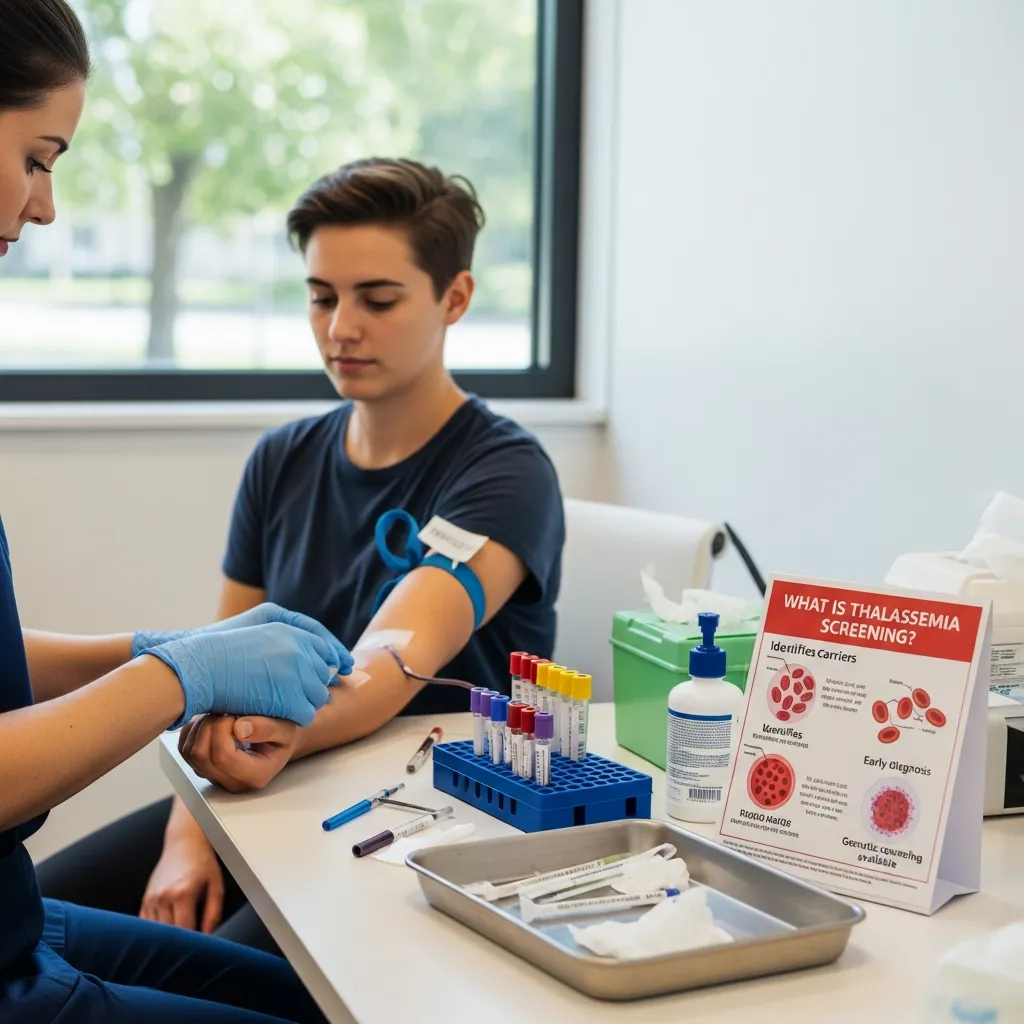

Women and couples planning a pregnancy should undergo screening.
Knowing When to Get Thalassemia Screening before pregnancy helps:
- Reduce risk of severe inherited disorders
- Allow genetic counseling
- Support prenatal planning
For more detailed understanding, see thalassemia management strategies.
3. During First Prenatal Visit
Pregnant women should ideally be screened during early pregnancy if not tested earlier.
This helps:
- Identify carrier mothers
- Evaluate father’s risk
- Plan prenatal diagnostic testing
Early detection ensures safer pregnancy management.
4. If You Have a Family History
If there is any history of:
- Thalassemia
- Unexplained anemia
- Blood transfusion in family members
You should not delay screening.
Genetic traits can pass silently across generations.
5. If You Have Symptoms of Anemia
Common symptoms include:
- Fatigue
- Pale skin
- Weakness
- Dizziness
- Delayed growth in children
In such cases, screening helps identify whether anemia is due to iron deficiency or thalassemia.
You can also read beta thalassemia symptoms guide for more details.
6. In Childhood Screening Programs
Many health programs recommend screening in early childhood, especially in high-risk regions.
Early screening helps:
- Detect moderate to severe cases early
- Start timely treatment
- Prevent complications
7. During Routine Health Checkups
Even without symptoms, routine checkups can include screening if:
- You belong to high-risk ethnic groups
- You are from regions with high thalassemia prevalence
Learn more about routine monitoring in thalassemia self-care guide.
8. Before Blood Donation or Transfusion History
People with repeated transfusions or blood-related issues should be screened to understand underlying causes.
Who Should Get Thalassemia Screening?
You should consider screening if you:
- Are planning marriage or pregnancy
- Have family history of blood disorders
- Have unexplained anemia
- Belong to high-risk populations
- Are a known carrier partner
How Is Thalassemia Screening Done?
1. Complete Blood Count (CBC)
This is the first step in screening.
Learn how results are interpreted here:
how to read CBC for thalassemia
2. Hemoglobin Electrophoresis
This test identifies abnormal hemoglobin types.
3. Genetic Testing
Used when both parents are carriers or when results are unclear.
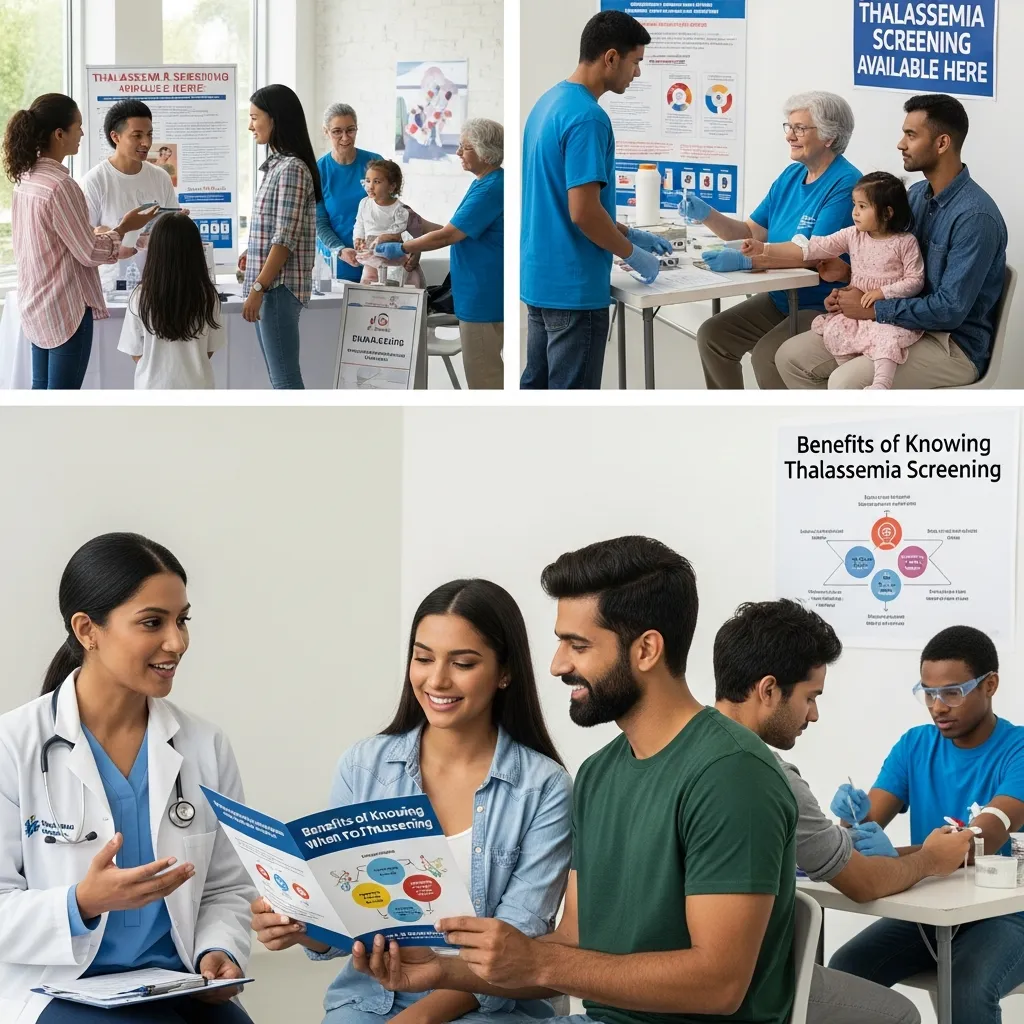 Understanding When to Get Thalassemia Screening provides significant benefits for individuals, couples, and families. Early screening is one of the most effective tools for identifying genetic risks before serious health complications arise. Because thalassemia can be inherited silently through generations, timely testing allows people to make informed healthcare and family-planning decisions.
Understanding When to Get Thalassemia Screening is essential for early diagnosis, prevention, and informed family planning. Screening should ideally be done before marriage, before pregnancy, during early prenatal visits, and in individuals with family history or symptoms of anemia. Early detection not only improves medical outcomes but also reduces emotional stress and financial burden. With proper awareness and timely screening, thalassemia can be effectively managed and its severe forms significantly reduced.
