


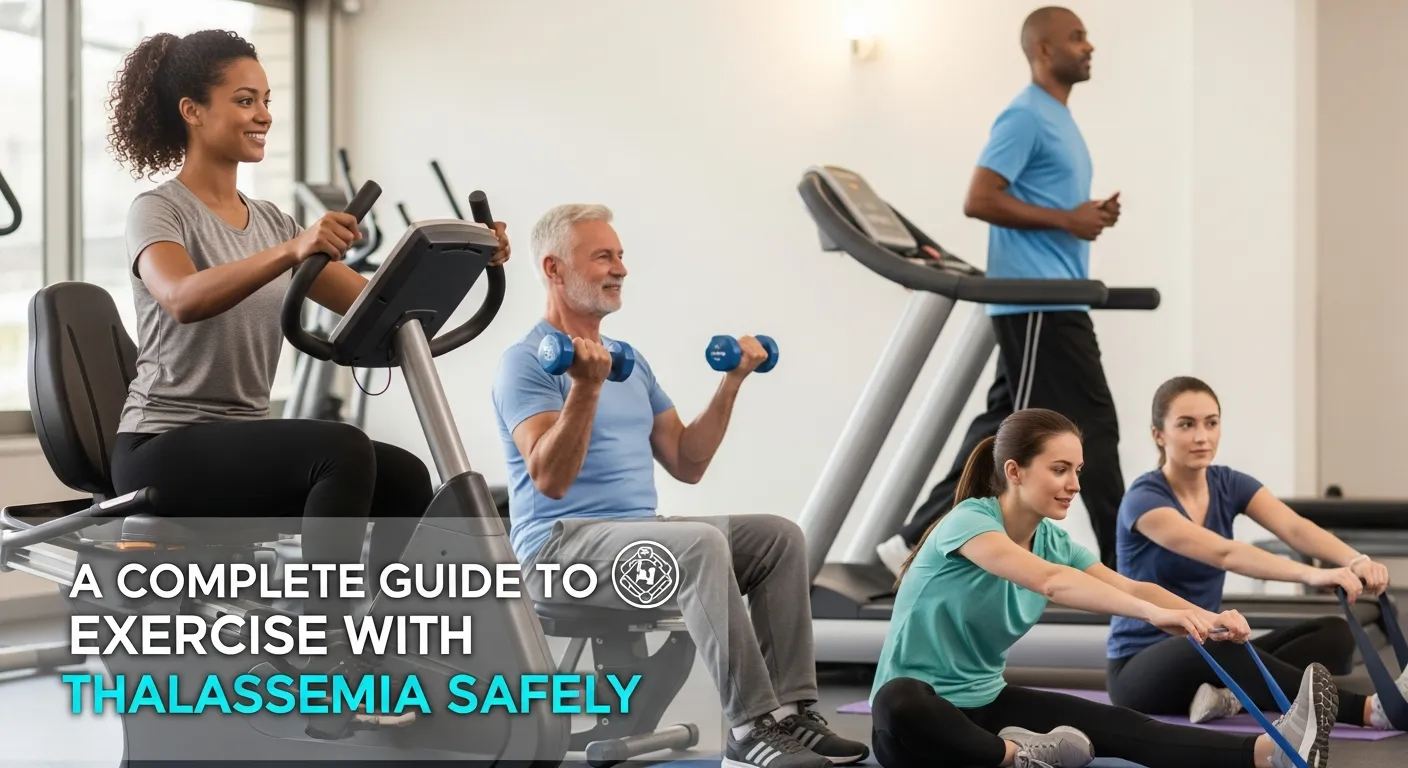
Thalassemia is a complex genetic blood disorder that affects how your body produces hemoglobin. Hemoglobin is the vital protein in your red blood cells responsible for carrying oxygen to all your tissues and organs. When your body cannot produce enough healthy hemoglobin, the result is chronic anemia. This often leads to deep fatigue, weakness, and a general lack of energy. For many people living with this condition, the mere thought of working out can feel overwhelming. You might wonder if physical exertion will drain your already limited energy reserves or put unnecessary stress on your heart.
However, movement is incredibly beneficial for your long-term health. Regular physical activity helps strengthen your cardiovascular system, improves joint mobility, and provides a significant boost to your mental well-being. It can also help you manage the psychological stress that often accompanies a chronic illness. The key is not to avoid physical activity, but rather to adapt it to your body’s unique capabilities.
Learning how to exercise with thalassemia safely requires a thoughtful, informed approach. You must balance the undeniable benefits of staying active with the physical limitations imposed by chronic anemia, iron overload, and potential bone density issues. By understanding your body’s specific boundaries and working closely with your healthcare team, you can build a sustainable routine that enhances your vitality. This guide will walk you through the essential steps, precautions, and strategies you need to exercise with thalassemia safely and confidently.
Understanding the Challenges of Exercise with Thalassemia
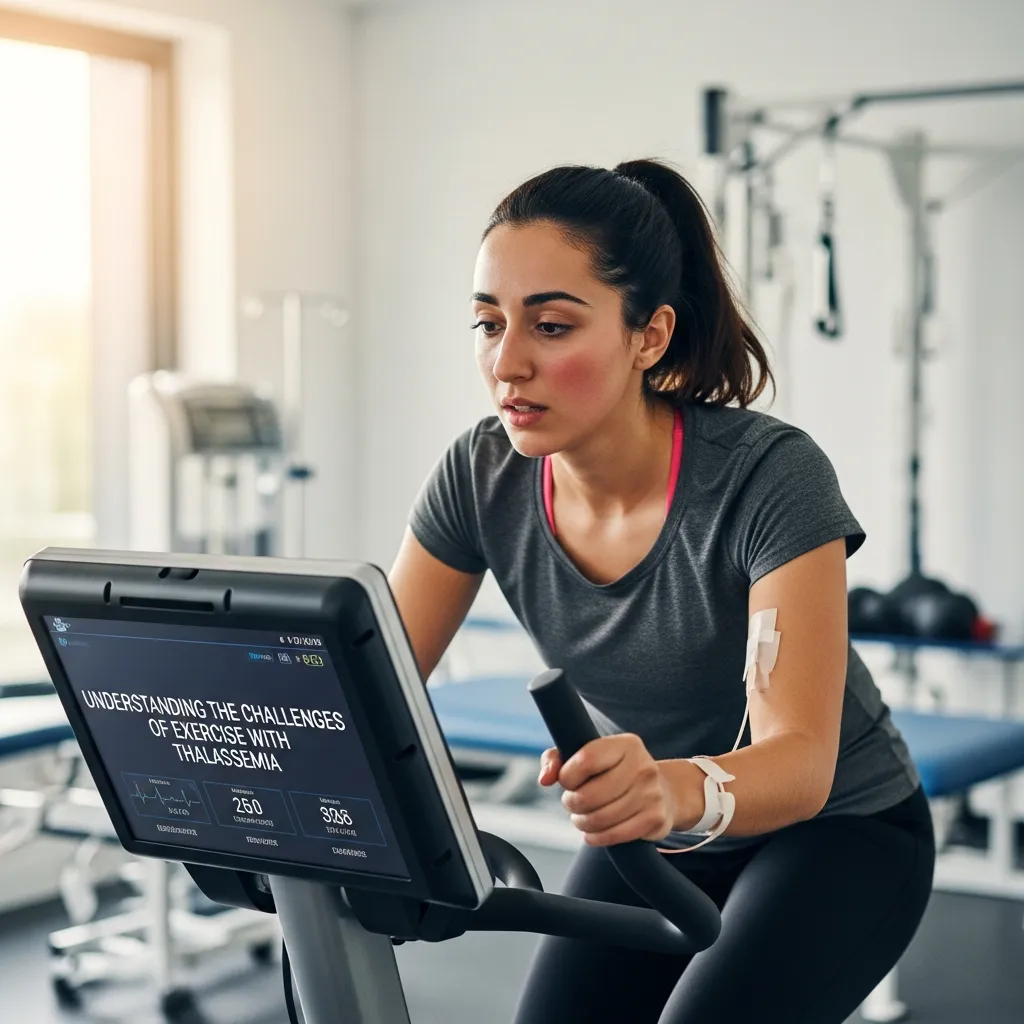 Before you lace up your sneakers, it is crucial to understand exactly how thalassemia impacts your body during physical exertion. This condition presents several specific hurdles that require careful management.
Anemia and reduced oxygen-carrying capacity
The most direct challenge is chronic anemia. Because your blood carries less oxygen than normal, your heart and lungs must work significantly harder to supply your muscles with the oxygen they need during movement. This means you will likely experience shortness of breath and muscle fatigue much sooner than someone without the condition. Pushing through this type of fatigue is counterproductive and can lead to severe exhaustion.
Iron overload and its effects on organs
If you receive regular blood transfusions to manage your condition, you face the high risk of iron overload. The human body cannot easily eliminate excess iron. Over time, this heavy metal accumulates in vital organs, particularly the heart and liver. Iron deposition in the heart can affect its ability to pump efficiently. When you exercise, your heart rate increases, placing additional demand on an organ that may already be under stress.
Bone health considerations
Thalassemia can severely impact your skeletal system. Because your body is constantly trying to produce more red blood cells to combat anemia, your bone marrow expands. This expansion causes the outer layers of the bone to become thinner, wider, and much more fragile. Osteoporosis and osteopenia are highly common complications. This skeletal fragility means that certain high-impact movements carry a much greater risk of fractures and joint injuries.
Splenectomy and increased infection risk
Many individuals with severe forms of the disorder undergo a splenectomy, which is the surgical removal of the spleen. Your spleen plays a major role in filtering your blood and fighting off infections. Without it, your immune system is compromised. Exercising in crowded public gyms or swimming in poorly maintained public pools can expose you to pathogens that your body will struggle to fight off.
Cardiopulmonary limitations
The combination of chronic anemia and potential iron overload creates a unique cardiopulmonary environment. Your cardiovascular system operates with a lower threshold for stress. You might notice that your resting heart rate is higher than average, or that it takes much longer for your breathing to return to normal after a short walk. Recognizing these limitations is the first step in learning how to exercise with thalassemia safely.
Consulting Your Healthcare Team: The First and Most Crucial Step
You should never start a new fitness routine without explicit approval from your medical specialists. Your body’s response to exertion is highly individualized, and clinical guidance is an absolute necessity.
Importance of a comprehensive medical evaluation
A thorough medical evaluation establishes your baseline health. Your doctor will likely want to check your current hemoglobin levels, assess your heart function with an echocardiogram, and review your latest bone density scans. This objective data dictates exactly how much physical stress your body can safely handle. Skipping this evaluation puts you at serious risk for cardiac events or bone fractures.
Discussing individual thalassemia type and severity
Thalassemia is not a single, uniform disease. It ranges from mild trait carrier status to severe transfusion-dependent forms like beta thalassemia major. A person with thalassemia minor might comfortably run several miles, while someone with thalassemia major might need to limit their activity to gentle stretching and short walks. Your hematologist understands your specific genetic profile and can outline realistic expectations for your physical capabilities.
Identifying potential risks and limitations
During your consultation, ask your doctor to identify your specific risk factors. If you have significant iron buildup in your heart, your doctor might restrict your heart rate to a certain beats-per-minute threshold. If your bone density is remarkably low, they will explicitly ban high-impact movements like jumping or running. Having these clear, medically defined boundaries removes the guesswork from your daily routine.
Developing a personalized exercise plan
The most effective strategy is to collaborate with a physical therapist who understands chronic blood disorders. A physical therapist can translate your doctor’s medical restrictions into a practical, actionable daily routine. They will teach you proper body mechanics, show you how to monitor your heart rate, and help you design a customized plan that builds endurance without causing harm.
General Principles for Safe Exercise with Thalassemia
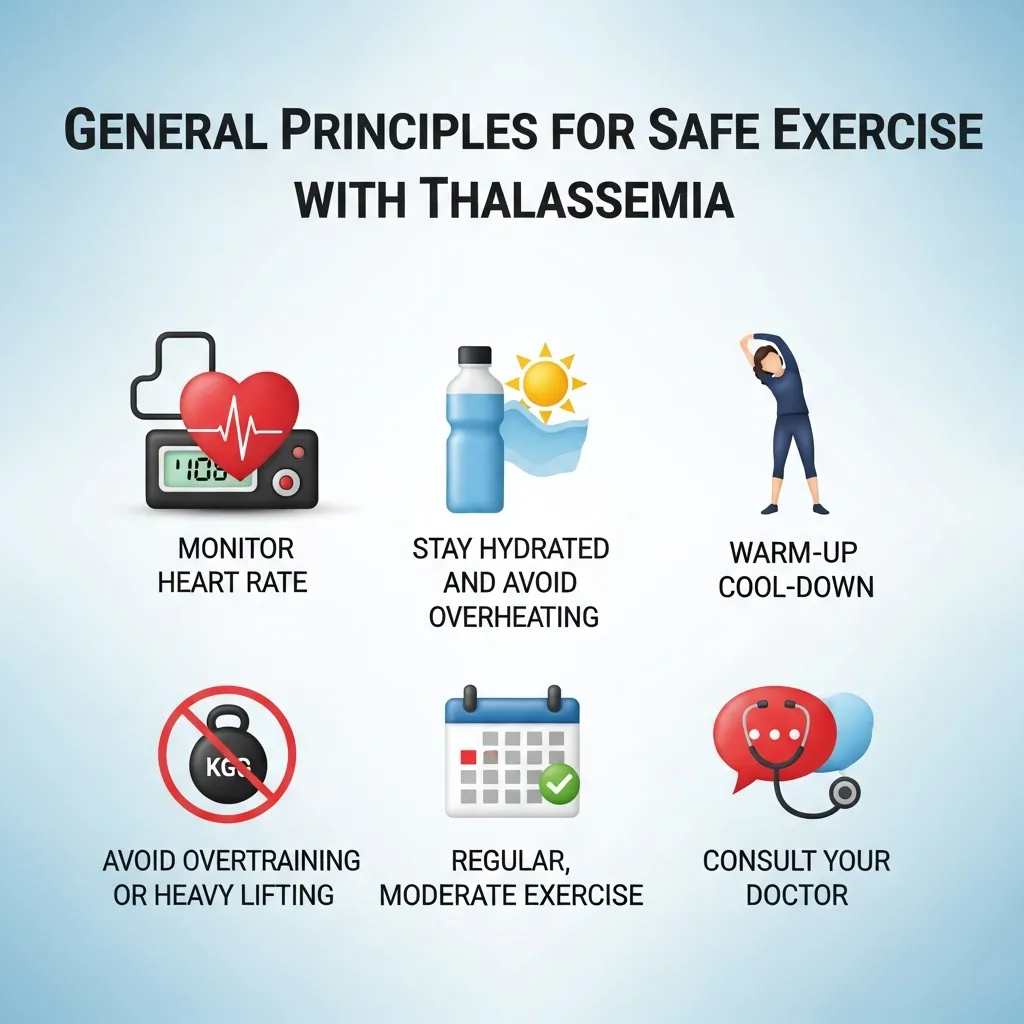 Once you have medical clearance, you must adopt a mindful approach to your daily movement. Adhering to a few core principles will protect your health and ensure your routine remains sustainable.
Listen to your body: Recognizing fatigue and pain signals
Your body communicates its limits clearly, provided you are willing to listen. There is a distinct difference between the healthy burn of working a muscle and the deep, systemic exhaustion caused by a lack of oxygen. If you experience sudden dizziness, chest pain, extreme shortness of breath, or joint pain, you must stop moving immediately. Never try to push through these warning signs.
Pacing yourself: Avoiding overexertion
Pacing is the secret to building long-term stamina. Instead of attempting a continuous thirty-minute workout, break your activity into smaller segments. Try walking for ten minutes in the morning, ten minutes in the afternoon, and ten minutes in the evening. This fragmented approach provides the same cardiovascular benefits without overloading your oxygen delivery system all at once.
Hydration: The importance of adequate fluid intake
Proper hydration is critical for maintaining healthy blood volume and circulation. Dehydration makes your blood thicker, forcing your heart to work harder to pump it through your vessels. Drink plenty of water before, during, and after your physical activity. If you are sweating heavily, consider an electrolyte replacement drink, but avoid those with high amounts of processed sugar.
Proper nutrition: Fueling your body for activity
You cannot expect a car to run without fuel, and you cannot expect your body to perform without proper nutrition. Consuming complex carbohydrates and lean proteins provides the energy required for muscle contraction and recovery. Because iron management is so critical, you must carefully select your food sources. To learn exactly how to balance your dietary needs, read our comprehensive guide on Nutritional Strategies for Thalassemia.
Gradual progression: Slowly increasing intensity
Patience is vital. Start with a workload that feels almost too easy. If you tolerate that level well for a full week, you can slightly increase the duration or the intensity. For example, if you walk for ten minutes a day this week, increase it to twelve minutes a day next week. This slow, steady progression allows your cardiopulmonary system to adapt safely.
Warm-up and cool-down routines
Never skip your warm-up or cool-down. A proper warm-up gently raises your heart rate and increases blood flow to your muscles, preparing them for the work ahead. Five minutes of light walking or gentle dynamic stretching is usually sufficient. A cool-down gradually lowers your heart rate and helps clear metabolic waste from your tissues, preventing severe muscle soreness the following day.
Recommended Types of Exercise for Individuals with Thalassemia
Choosing the right kind of movement is highly important. You want activities that provide cardiovascular and muscular benefits while keeping the risk of injury exceptionally low.
Low-impact aerobic activities
Aerobic exercise improves the efficiency of your heart and lungs. Low-impact options are ideal because they protect your fragile skeletal system.
- Walking: Brisk walking is arguably the most accessible and natural form of exercise. Walking on flat, even surfaces like a local track or a paved nature trail minimizes the risk of tripping.
- Swimming and water aerobics: Water provides natural buoyancy, which removes almost all the stress from your weight-bearing joints. The hydrostatic pressure of the water also assists with blood circulation.
- Cycling: Riding a stationary bike allows you to control the exact resistance and speed. Gentle outdoor cycling on flat bike paths is also an excellent option, provided you maintain a comfortable pace.
- Elliptical training: An elliptical machine mimics the motion of running without the harsh impact of your feet striking the ground. It provides a smooth, controlled cardiovascular workout.
Strength training (with modifications)
Maintaining muscle mass supports your joints and improves your overall metabolic health. However, strength training must be approached with caution.
- Using light weights or resistance bands: Swap heavy dumbbells for light resistance bands or two-pound hand weights. The goal is to stimulate the muscle, not to lift the maximum possible amount.
- Focusing on proper form: Good form is far more important than the amount of weight you move. Slow, controlled movements prevent tendon strain and ensure the targeted muscle does the work.
- Avoiding heavy lifting and straining: Heavy lifting forces you to hold your breath and bear down, which causes massive spikes in your blood pressure. This type of straining is highly dangerous for anyone with cardiac iron deposition.
Flexibility and balance exercises
Improved flexibility prevents injuries, while better balance reduces the risk of dangerous falls.
- Yoga (gentle forms): Restorative or Hatha yoga focuses on gentle stretching and deep breathing. These practices lower cortisol levels and improve your range of motion.
- Pilates (modified): Pilates strengthens your core musculature. A strong core supports your spine and improves your posture, which can alleviate chronic back pain.
- Stretching routines: Daily stretching keeps your muscles supple. Dedicate ten minutes each evening to stretching your hamstrings, calves, and chest to maintain daily mobility.
Exercises to Approach with Caution or Avoid
Just as certain movements are highly beneficial, others carry risks that far outweigh any potential rewards. You must protect your body from unnecessary trauma.
High-impact activities
Activities that involve jumping, bounding, or striking the ground forcefully send shockwaves through your skeleton. Running long distances, plyometrics, and jump rope exercises place immense stress on your bones. Given the high prevalence of osteoporosis in the thalassemia community, these activities drastically increase your risk of stress fractures and joint degradation.
Contact sports
Sports like football, rugby, martial arts, and competitive basketball involve unpredictable, forceful physical contact. A sudden tackle or an accidental blow to the torso can cause catastrophic bone fractures. Furthermore, if you have an enlarged spleen (which is common before a splenectomy), a direct hit to the abdomen can cause the spleen to rupture, leading to severe internal bleeding.
Activities in extreme temperatures
Your body uses a significant amount of energy simply to regulate its internal temperature. Exercising in extreme heat causes rapid dehydration and places massive strain on your cardiovascular system. Conversely, exercising in freezing conditions forces your body to work harder to maintain core heat. Always opt for climate-controlled environments like an indoor gym or a swimming pool.
Strenuous weightlifting
Powerlifting, Olympic weightlifting, and maximum-effort strength testing should be completely avoided unless you have explicit, supervised medical clearance. The sudden spikes in blood pressure and the extreme force placed on your skeletal structure make these activities far too risky.
Monitoring and Adjusting Your Exercise Routine
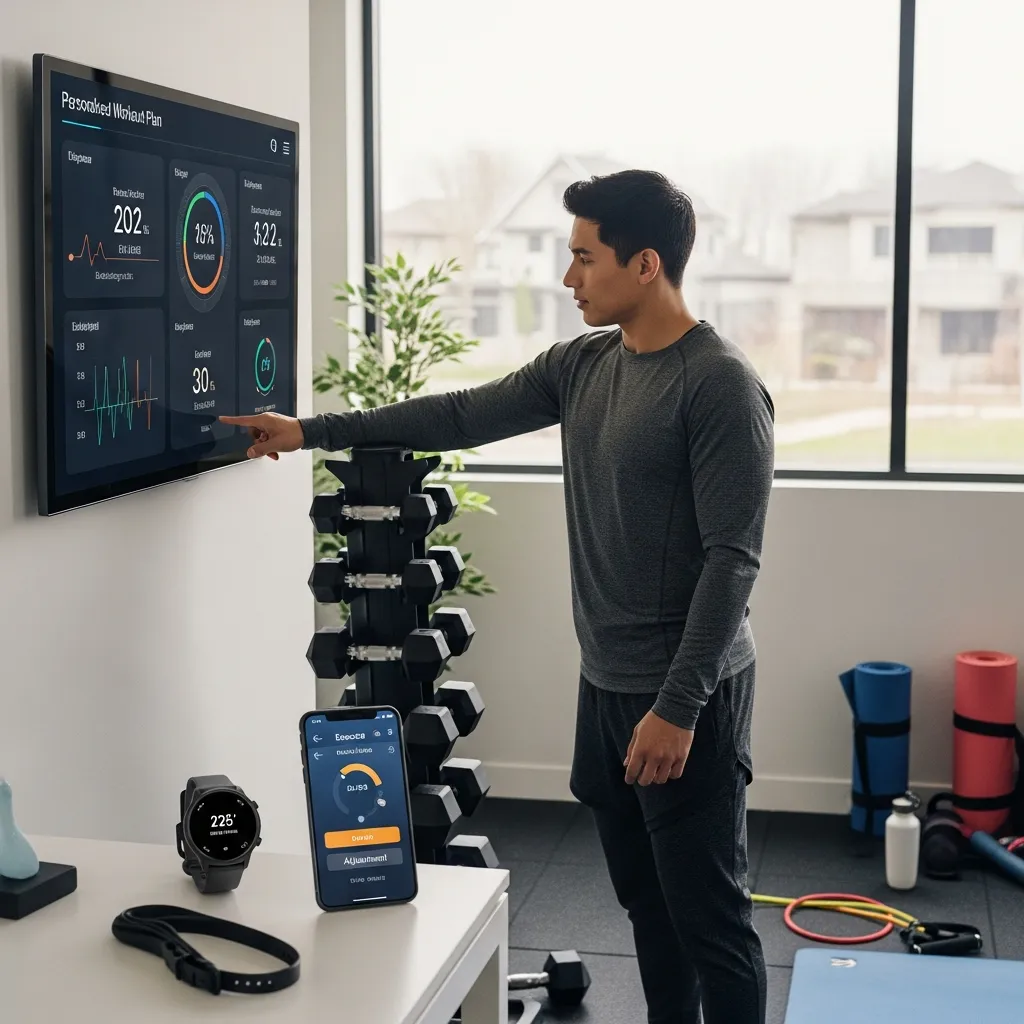 Your body’s capacity for exercise will naturally fluctuate. You need a system for tracking your responses so you can adjust your routine dynamically.
Tracking progress and symptoms
Keep a daily fitness journal. Record what activity you performed, how long you did it, and how you felt afterward. Rate your fatigue on a scale of one to ten. Did you feel energized, or did you need a three-hour nap? This written record helps you identify patterns. You might discover that morning workouts leave you feeling great, but evening workouts disrupt your sleep.
Communicating changes to your healthcare provider
Bring your fitness journal to your hematology appointments. Your doctor needs this information to assess how your body is handling the physical stress. If you report severe, lingering fatigue after mild exertion, your doctor might need to adjust your transfusion schedule or check for worsening anemia.
Adapting your routine based on blood test results
Your exercise capacity is directly tied to your hemoglobin levels. In the days immediately following a blood transfusion, you will likely have more energy and can handle slightly longer walks. As you approach your next scheduled transfusion, your hemoglobin will naturally drop. During this pre-transfusion window, you must scale back your intensity. For more broad strategies on adapting to your medical schedule, explore these excellent Thalassemia Management Tips.
The Psychological Benefits of Exercise
We often focus entirely on the physical aspects of fitness, but the psychological rewards are equally profound, especially for those managing a lifelong genetic condition.
Improving mood and reducing stress
Chronic illness frequently leads to anxiety and depression. Physical activity triggers the release of endorphins, which are your brain’s natural mood elevators. A simple twenty-minute swim can clear mental fog, reduce feelings of anxiety, and provide a much-needed break from the stress of medical management.
Enhancing self-esteem and body image
Thalassemia can cause delayed growth, bone deformities, and surgical scars. These physical realities often take a toll on body image. Engaging in regular movement helps you rebuild a positive relationship with your physical self. When you focus on what your body can achieve—rather than its limitations—your self-esteem naturally improves.
Building a sense of control and empowerment
A chronic diagnosis often makes you feel like you are at the mercy of your genetics and your medical team. Deciding to exercise with thalassemia safely puts you back in the driver’s seat. It is a proactive, daily choice that proves you have power over your health outcomes. This sense of agency is incredibly empowering.
Nutritional Support for Active Individuals with Thalassemia
When you increase your physical activity, your nutritional needs shift. You must supply your body with the resources it needs to recover and rebuild without exacerbating your underlying medical issues.
Emphasizing iron-chelating foods
While prescription medications handle the bulk of iron chelation, you can support this process through diet. Consuming black tea or green tea with your meals introduces tannins, which naturally inhibit the absorption of dietary iron from your food. Incorporating dairy products also helps, as calcium can block iron uptake in the digestive tract.
Ensuring adequate protein intake for muscle repair
Every time you exercise, you create microscopic tears in your muscle fibers. Your body uses protein to repair these tears, making the muscle stronger. Choose high-quality, low-iron protein sources. Egg whites, low-fat Greek yogurt, tofu, and certain types of white fish provide excellent amino acid profiles without adding significant iron to your system.
Importance of vitamins and minerals for energy and bone health
You need robust vitamin support to maintain your energy and protect your bones. Folic acid is vital for your continuous red blood cell production. Vitamin D and calcium are the building blocks of a strong skeletal system. To understand how to seamlessly integrate these nutrients into your daily meals, read our detailed overview on Thalassemia Diet and Wellness.
The role of supplements (under medical guidance)
You might find it difficult to meet all your nutritional needs through food alone. Your doctor may prescribe specific supplements, such as folic acid or Vitamin D3. However, you must never take over-the-counter multivitamins without checking the label. Many standard multivitamins contain added iron or high doses of Vitamin C, both of which are highly dangerous for individuals managing iron overload. Always clear any new supplement with your hematologist.
Practical Tips for Integrating Exercise into Your Life
Knowing how to exercise is only half the battle; the other half is building the habit. Consistency requires practical planning and realistic expectations.
Setting realistic goals
Do not compare your fitness journey to a professional athlete, or even to a friend without a chronic illness. Set small, achievable goals. A realistic goal might be walking for fifteen minutes, three days a week. Once you achieve that milestone, celebrate it. Success breeds motivation, and small victories keep you engaged in the process.
Finding an exercise buddy or support group
Accountability makes a massive difference. Ask a friend or family member to join you for your evening walks. If you prefer community support, look for local gentle yoga classes or water aerobics groups. Connecting with others provides social interaction and makes the activity feel less like a chore. You can also explore community support strategies in our guide to thalassemia self-care.
Making exercise enjoyable
If you hate riding a stationary bike, you will eventually stop doing it. Find movements that bring you genuine joy. If you love nature, make outdoor walking your primary activity. If you enjoy music, try a gentle dance class. When exercise feels like a hobby rather than a medical obligation, you are far more likely to stick with it.
Consistency over intensity
The true benefits of physical activity come from regular, lifelong habits. It is much better to walk gently for ten minutes every single day than to attempt an exhausting one-hour workout once a month. Prioritize showing up consistently, even on days when your routine feels incredibly short or slow.
Embracing an Active Life with Thalassemia
 You hold the power to shape your daily reality. While chronic anemia presents undeniable physical boundaries, it does not mean you must live a sedentary life. You absolutely can exercise with thalassemia safely by applying careful planning, listening closely to your body’s signals, and maintaining an open dialogue with your healthcare providers.
The journey to better fitness is not a race; it is a gradual, highly personalized process. By focusing on low-impact movements, respecting your energy limits, and fueling your body correctly, you protect your vital organs while building real stamina. Embrace a proactive approach to your physical well-being. Consult your medical team this week, set a small goal for your daily movement, and take that first confident step toward a more vibrant, active lifestyle.
For more global perspectives, community resources, and comprehensive guidelines on living with this condition, please visit the Thalassemia International Federation (TIF) and review the comprehensive health standards provided by the Centers for Disease Control and Prevention (CDC).
Conclusion
Exercise with Thalassemia Safely is an important part of maintaining overall health, energy levels, and emotional well-being. While thalassemia can cause fatigue and anemia-related limitations, regular low to moderate physical activity such as walking, yoga, and swimming can help improve circulation, muscle strength, and quality of life. It is essential to avoid overexertion, stay hydrated, and follow medical advice tailored to individual health conditions. With proper guidance and consistent monitoring, people with thalassemia can safely enjoy the benefits of exercise and maintain a more active lifestyle.
FAQ
1. Can people with thalassemia exercise safely?
Yes, most people with thalassemia can exercise safely if they choose low to moderate activities and follow medical advice.
2. What is the best Exercise with Thalassemia Safely?
The best Exercise with Thalassemia Safely includes walking, yoga, swimming, stretching, and light strength training.
3. Should patients with thalassemia avoid exercise?
No, but they should avoid intense, high-impact, or exhausting workouts that may worsen fatigue or anemia symptoms.
4. How does Exercise with Thalassemia Safely help the body?
It improves blood circulation, boosts energy levels, enhances mood, and supports overall physical and mental health.
5. Can exercise increase hemoglobin levels in thalassemia?
Exercise does not directly increase hemoglobin, but it can improve oxygen use and overall fitness.
6. Is walking a good Exercise with Thalassemia Safely option?
Yes, walking is one of the safest and most effective low-impact exercises for people with thalassemia.
7. Can children with thalassemia exercise?
Yes, children can engage in light physical activities, but their exercise should be monitored and adjusted based on energy levels.
8. What precautions should be taken during Exercise with Thalassemia Safely?
Stay hydrated, avoid overexertion, take rest breaks, and consult a doctor before starting any new exercise routine.
9. Can yoga be included in Exercise with Thalassemia Safely?
Yes, yoga is highly beneficial as it improves flexibility, breathing, and relaxation without putting stress on the body.
10. When should exercise be avoided in thalassemia?
Exercise should be avoided during severe fatigue, illness, or low hemoglobin episodes unless advised otherwise by a healthcare provider.
