


Living Well with Thalassemia Guide is a comprehensive resource that helps patients manage thalassemia through proper nutrition, lifestyle adjustments, and medical care. It focuses on improving energy levels, controlling iron overload, and supporting overall health using balanced dietary choices, regular monitoring, and holistic wellness strategies. This guide empowers individuals to live healthier and more confident lives with thalassemia.
Living with a chronic blood disorder presents unique daily challenges, but establishing a strong foundation of health can dramatically improve your quality of life. Thalassemia is an inherited genetic disorder that affects the body’s ability to produce normal hemoglobin. Hemoglobin is the crucial protein inside red blood cells that carries oxygen to tissues and organs. When mutations occur in the genes responsible for hemoglobin production, the body experiences a shortage of healthy red blood cells, leading to chronic anemia and profound fatigue.
While medical interventions like blood transfusions and chelation therapy form the core of treatment, your daily lifestyle choices possess incredible power. The food you put on your plate directly impacts your energy levels, your immune system, and your body’s ability to manage complications. Finding the right balance of nutrients can feel overwhelming at first. However, understanding exactly what your body needs allows you to take control of your health.
This comprehensive Living Well with Thalassemia Guide will walk you through the exact nutritional strategies required to support your blood health. We will explore the best foods for thalassemia patients, identify which ingredients to limit, and break down effective meal planning techniques. By combining a targeted diet with holistic lifestyle practices, you can build physical resilience, minimize treatment side effects, and foster a highly active, fulfilling routine.
Understanding Nutritional Needs for Thalassemia Patients
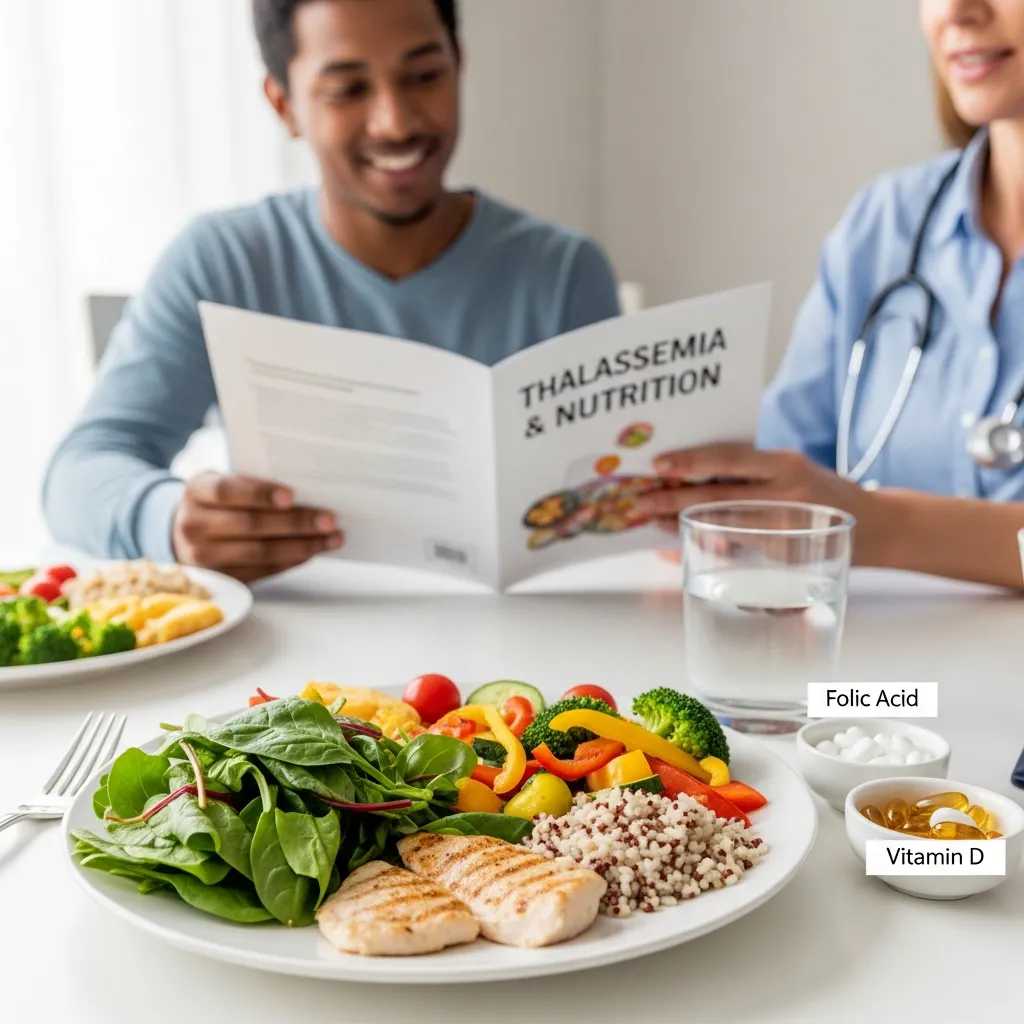 Your body works tirelessly to produce red blood cells and manage potential iron buildup. Because of this continuous effort, it requires a highly specific balance of vitamins and minerals. Every nutrient you consume either supports this process or adds unnecessary stress to your system.
Iron Overload Management
Iron management is the most complex and critical aspect of eating well with this condition. While iron is necessary for blood production, patients receiving frequent blood transfusions face a high risk of iron overload. The human body cannot naturally excrete excess iron efficiently. Over time, this iron accumulates in the heart, liver, and endocrine glands, causing serious complications. If you are at risk for iron overload, you must strictly limit foods high in heme iron, such as red meats. For a comprehensive look at what to leave off your plate, review our guide on nutritional strategies for thalassemia.
Folic Acid and Vitamin B Intake
Folic acid, also known as Vitamin B9, is absolutely essential. Your bone marrow requires folate to manufacture new red blood cells. Since the condition causes rapid cell turnover, your folate requirement is significantly higher than that of the average person. Without adequate folic acid, your body simply cannot keep up with the demand for new, healthy blood cells. Vitamin B12 works closely with folate to maintain healthy nerve function and support red blood cell maturation.
Vitamin C and Its Role
Vitamin C presents a unique challenge for individuals with thalassemia. On one hand, it supports immune function and acts as a powerful antioxidant. On the other hand, it significantly increases the amount of iron your body absorbs from plant-based foods. If you struggle with iron overload, you must carefully time your Vitamin C intake. Eating citrus fruits at the exact same time as your meals can dangerously spike your iron absorption rates.
Vitamin D and Bone Health
Bone marrow expansion is a common physical complication of this blood disorder. As the marrow expands to produce more red blood cells, it makes bones brittle and highly prone to fractures. Protecting your skeletal structure requires a steady supply of Vitamin D. This crucial vitamin acts as the key that allows your body to absorb dietary calcium efficiently.
Zinc and Immune Function
Chronic illness and ongoing chelation therapy can deplete your body’s zinc reserves. Zinc is necessary for rapid wound healing, strong immune defense, and DNA synthesis. When your immune system is compromised, even a minor cold can set back your energy levels for weeks. Maintaining healthy zinc levels helps replenish these critical stores and keeps your immune response sharp.
Best Foods for Thalassemia Patients: A Detailed Guide
Building a grocery list that supports your health goals is a highly empowering step. The best foods for thalassemia patients focus on high nutrient density while avoiding unnecessary iron absorption.
High-Folate Foods
To meet your heightened folate needs, load your plate with dark, leafy green vegetables. Spinach, kale, and collard greens are excellent additions to any meal. Legumes also pack a massive nutritional punch. Lentils, chickpeas, and black beans provide essential folate along with high-quality, plant-based protein. Additionally, many grain products are fortified with folic acid, making whole-wheat bread and enriched pastas convenient choices for your daily routine.
Foods Rich in Vitamin C
You need Vitamin C for tissue repair and immune support, but you must approach it with careful consideration. Bell peppers, strawberries, and citrus fruits like oranges and grapefruits are excellent sources. The key is to consume these foods separately from your main meals. Enjoy a handful of berries as a mid-morning snack rather than drinking a large glass of orange juice alongside a spinach salad. Always discuss your Vitamin C intake with your doctor to ensure you maintain a safe balance.
Calcium and Vitamin D Sources
Because dairy products can naturally inhibit the absorption of dietary iron, incorporating them into your meals serves a dual purpose. Milk, yogurt, and cheese help build bone density while safely managing your iron uptake. If you prefer dairy-free options, choose fortified plant-based milks like almond or soy milk. Fatty fish, such as salmon and mackerel, offer natural Vitamin D along with heart-healthy omega-3 fatty acids.
Zinc-Rich Foods
Including zinc-rich foods in your diet is simple and delicious. Roasted pumpkin seeds make a fantastic, crunchy snack. Nuts, particularly almonds and cashews, offer zinc along with healthy fats that keep you feeling full. Whole grains like quinoa and oats also contain moderate amounts of zinc, making them excellent choices for breakfast or dinner side dishes.
Antioxidant-Rich Foods
Antioxidants protect your cells from oxidative stress, a common byproduct of rapid red blood cell destruction. The best foods for thalassemia patients often feature bright, vibrant colors. Blueberries, raspberries, and dark chocolate are packed with natural antioxidants. Certain spices, like turmeric and cinnamon, also offer potent anti-inflammatory benefits. Eating a wide variety of these foods ensures you receive a broad spectrum of cellular protection.
Meal Planning and Dietary Strategies for Thalassemia Patients
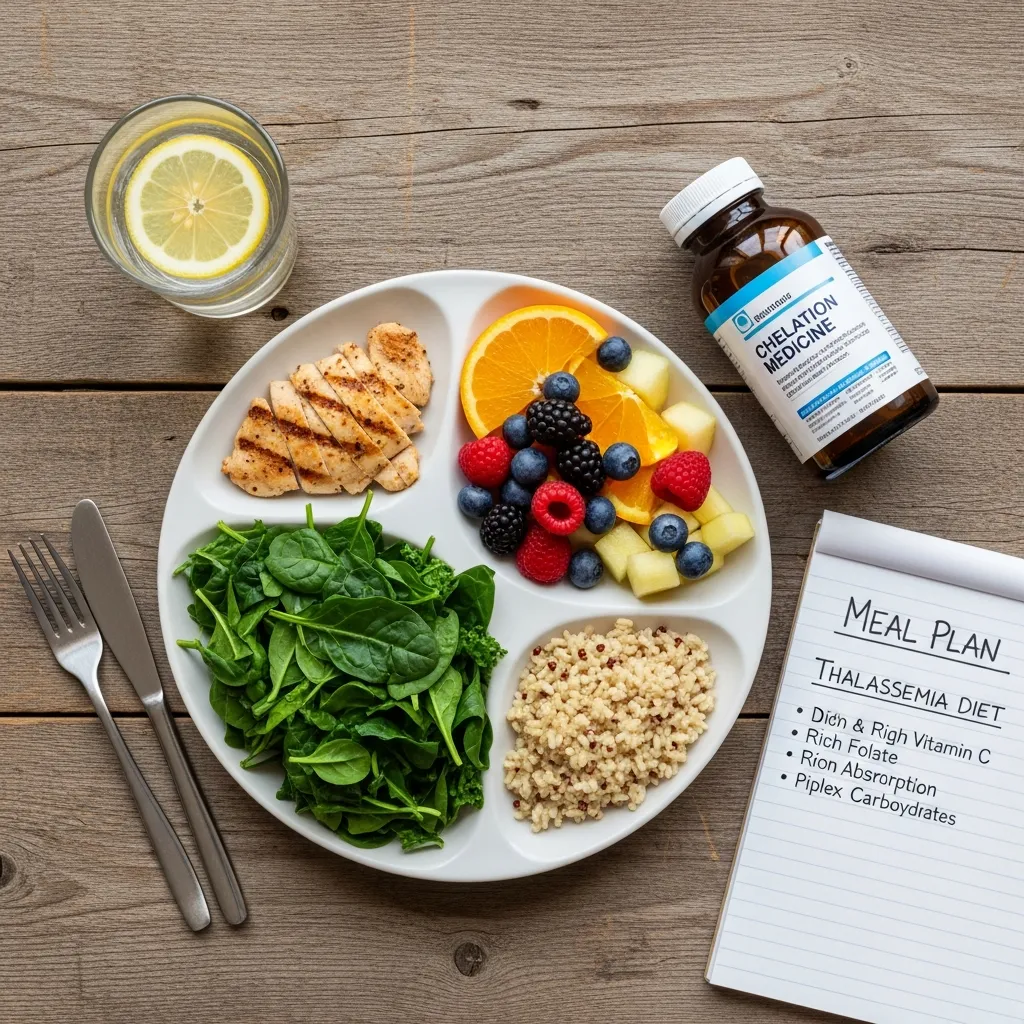 Translating nutritional knowledge into daily practice requires consistent planning. Organizing your kitchen habits reduces stress and ensures you stick to your long-term wellness goals.
Sample Meal Plans
A balanced meal plan centers around the best foods for thalassemia patients while keeping iron levels in check.
- Breakfast: Start your day with a bowl of oatmeal made with calcium-fortified almond milk. Top it with a small handful of walnuts and a sprinkle of cinnamon.
- Lunch: Prepare a large salad using mixed leafy greens, cucumbers, and chickpeas. Dress it with olive oil and a light vinaigrette. Pair it with a cup of black tea to inhibit any potential iron absorption.
- Dinner: Grill a piece of salmon and serve it alongside roasted zucchini and a serving of quinoa.
- Snacks: Keep Greek yogurt, pumpkin seeds, or apple slices with almond butter readily available to prevent energy dips between meals.
Tips for Healthy Cooking
The way you prepare your food matters. If you are attempting to minimize iron, never cook with cast-iron skillets. Cast iron actively leaches iron into your food during the cooking process. Instead, use stainless steel, glass, or ceramic cookware. Additionally, boiling certain vegetables and discarding the water can slightly reduce their overall iron content.
Hydration Guidelines
Water is the unsung hero of any wellness routine. Proper hydration is essential for maintaining healthy circulation and optimal blood viscosity, ensuring that oxygen is efficiently delivered throughout your body. It also helps your kidneys flush out the toxins targeted by chelation therapy. Aim to drink at least eight large glasses of water every day. Increase this amount significantly during hot weather or periods of physical activity.
Foods to Approach with Caution or Avoid
A comprehensive Living Well with Thalassemia Guide requires knowing exactly what to leave off your plate. Certain foods and beverages can actively interfere with your medical management and worsen your symptoms.
High-Iron Foods
If you receive regular transfusions, you must actively avoid high-iron foods. Red meat, such as beef and lamb, contains heme iron, which your body absorbs rapidly. Organ meats like liver are especially dangerous for those with iron overload. You must also avoid heavily fortified breakfast cereals and iron-enriched snack bars. Always read nutrition labels carefully before purchasing packaged items.
Foods That Enhance Iron Absorption
As mentioned earlier, Vitamin C acts as a powerful iron enhancer. Drinking citrus juices with your meals will cause your body to absorb far more iron than it normally would. Fermented foods and certain vinegars can also mildly increase iron uptake. Be mindful of food pairings to keep your iron levels as stable as possible.
Processed Foods and Added Sugars
Fast food, sugary sodas, and baked goods loaded with trans fats offer empty calories that promote systemic inflammation. They provide zero support for blood production and can severely worsen the daily fatigue associated with chronic anemia. Sticking to whole, unprocessed foods is the best way to support your overall health.
Routine check-ups with a specialized hematologist allow for the early detection of potential complications. These appointments involve comprehensive laboratory testing, including complete blood counts and serum ferritin tests. You must communicate openly with your doctors about any lifestyle changes or new supplements you wish to try. For additional resources and global care standards, consult the Centers for Disease Control and Prevention (CDC).
Beyond Diet: Holistic Thalassemia Management
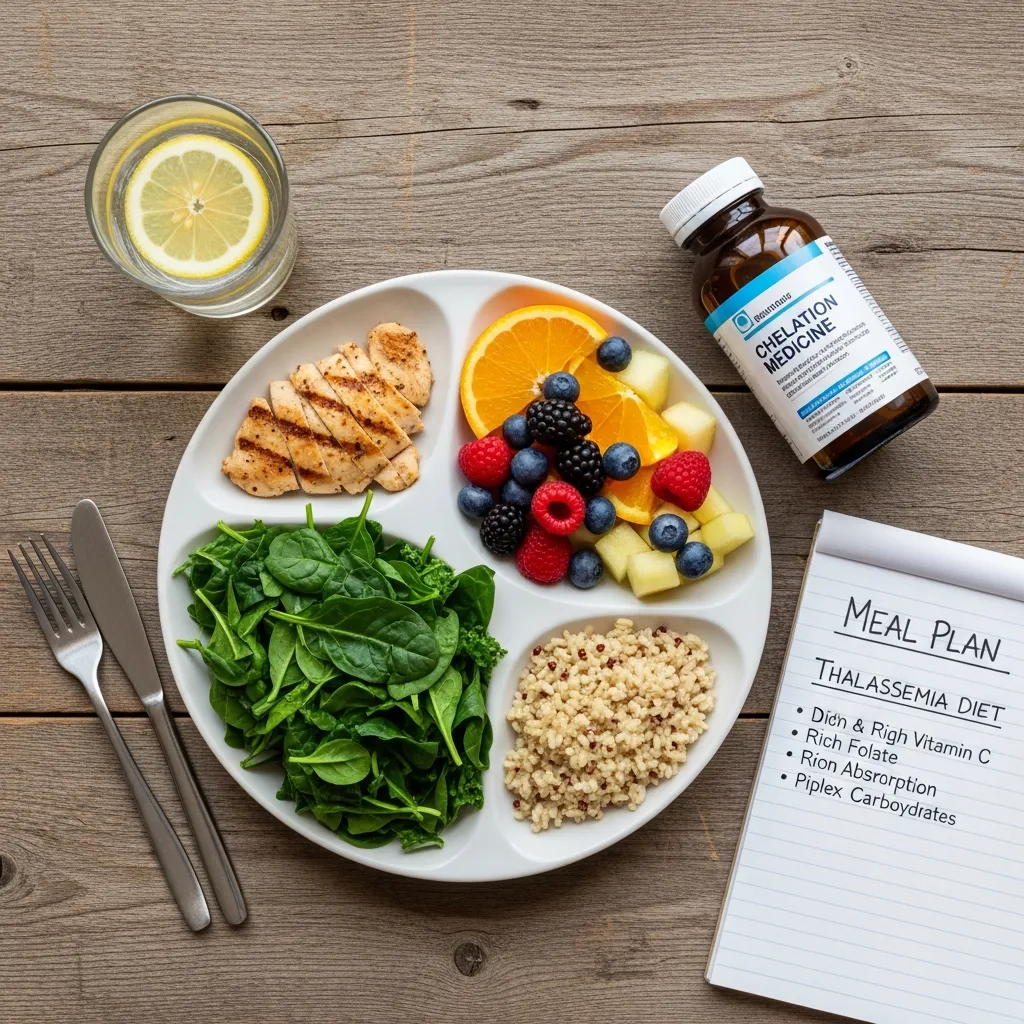 Diet alone cannot bear the entire weight of your health. A true wellness plan integrates positive lifestyle habits to support your body physically and emotionally.
Lifestyle Factors
Moderate, low-impact exercise strengthens your heart, improves circulation, and boosts your mood. Walking, swimming, and stationary cycling are highly recommended. Movement triggers the release of endorphins, acting as natural mood elevators. Additionally, chronic stress can disrupt sleep and impair digestion. Incorporate relaxation techniques like deep breathing or meditation to calm your nervous system. Learn more about optimizing your daily routines through our guide on thalassemia self-care.
Community Support and Advocacy
Cultivating a reliable support network provides practical assistance and deep emotional comfort. Connecting with the broader patient community through local or online support groups offers a unique kind of empathy. For insights on connecting with others and organizing your care team, visit our holistic strategies for thriving with thalassemia.
Understanding Thalassemia Symptoms
You are the foremost expert on your own body. Paying close attention to your daily physical cues allows you to catch potential issues early. If you notice sudden drops in energy, new joint pain, or unusual shortness of breath, contact your healthcare provider immediately. Familiarize yourself with all potential warning signs by reading up on understanding beta thalassemia symptoms. Furthermore, staying educated through trusted global organizations like the World Health Organization (WHO) empowers you to advocate for the best possible care.
