This topic focuses on comprehensive thalassemia self-care strategies that support long-term health and wellbeing. It highlights the importance of combining medical treatment, such as blood transfusions and iron chelation therapy, with healthy lifestyle choices, nutrition, and mental health support. By adopting a holistic approach, patients can better manage symptoms, reduce complications, and improve their overall quality of life while living with thalassemia.
Living with a chronic blood disorder often feels like navigating a complex maze of medical appointments, lab results, and medication schedules. However, clinical treatments are only one part of the equation. Taking an active role in your daily health routines can dramatically shift your experience, allowing you to regain control and enhance your overall quality of life through effective Thalassemia Self-Care.
Implementing a strong Thalassemia Self-Care routine transforms how you handle the physical and emotional challenges associated with this condition. By focusing on targeted lifestyle habits, you build a foundation of resilience that supports your prescribed medical therapies. This proactive approach helps stabilize your energy levels, protect your vital organs, and foster a more positive mindset.
This comprehensive guide to Thalassemia Self-Care breaks down the essential pillars of wellness for those managing thalassemia. You will learn practical methods for optimizing your diet, staying active, managing mental health, and building a supportive community. These strategies are designed to work alongside your medical care, equipping you with the tools necessary to thrive every single day.
Understanding Thalassemia and its Impact on Wellness
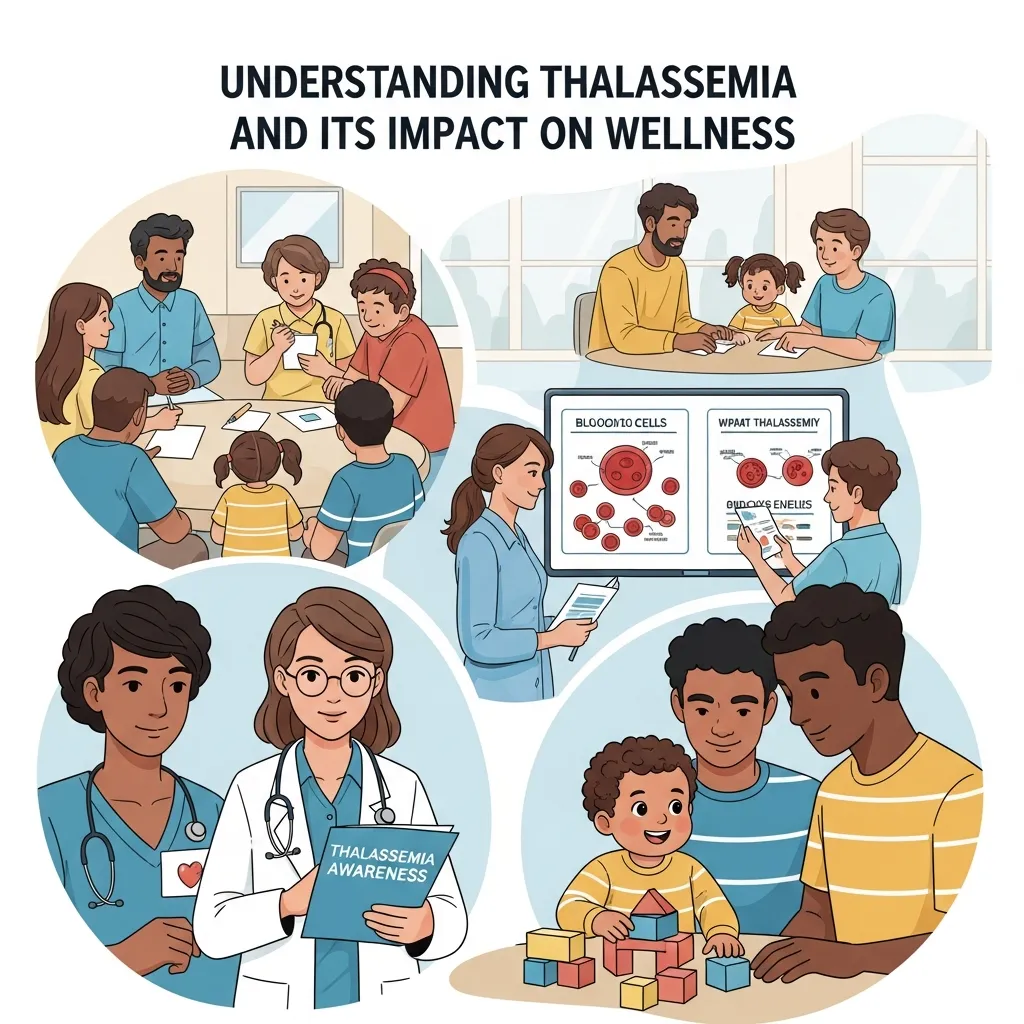 Thalassemia is an inherited genetic disorder that affects the body’s ability to produce normal hemoglobin. Hemoglobin is the crucial protein inside red blood cells that carries oxygen to tissues and organs. When mutations occur in the genes responsible for hemoglobin production, the body experiences a shortage of healthy red blood cells, leading to chronic anemia.
The physical impact of this condition varies widely based on the specific type and severity of the genetic mutation. Individuals with mild forms might only experience occasional tiredness. Those with more severe types, such as beta thalassemia major, face profound fatigue, delayed growth, and bone deformities. Because oxygen delivery is compromised, almost every system in the body has to work much harder to maintain basic functions.
Understanding these mechanisms is vital for effective health management. When you know why your body responds the way it does, you can tailor your daily habits to provide the exact support your system requires. This knowledge forms the bedrock of an effective Thalassemia Self-Care plan, guiding your choices regarding nutrition, physical activity, and rest.
Building on this foundation, Thalassemia Self-Care also involves ongoing awareness of your symptoms and regular communication with healthcare providers. Monitoring energy levels, recognizing early signs of complications, and following prescribed treatment plans all contribute to better long-term outcomes. In addition, adopting a balanced lifestyle with proper hydration, nutrient-rich foods, and stress management techniques can significantly improve overall wellbeing. By integrating Thalassemia Self-Care into daily life, patients can better manage symptoms and maintain a more stable and active lifestyle.
Nutritional Strategies for Thalassemia Patients
A thoughtfully structured diet plays a massive role in managing the symptoms of thalassemia. Because the body is constantly trying to produce red blood cells, it requires a steady supply of specific vitamins and minerals. Lean proteins, whole grains, and antioxidant-rich fruits and vegetables should form the core of your daily meals. These foods provide sustained energy without causing rapid blood sugar spikes, which can worsen feelings of fatigue.
Certain micronutrients demand special attention. Folate is essential for red blood cell production, making dark leafy greens and legumes excellent additions to your plate. However, iron management is a critical factor for many patients. If you receive regular blood transfusions, your doctor will likely advise you to avoid high-iron foods like red meat and fortified cereals. To explore this topic in greater detail, read our guide on Effective Nutritional Strategies for Thalassemia Patients.
Bone health is another major nutritional priority. Thalassemia can lead to bone thinning, so ensuring adequate calcium and vitamin D intake is critical. Fortified plant milks, low-fat dairy, and safe sun exposure help protect your skeletal system over time.
Managing Iron Overload and Chelation Therapy
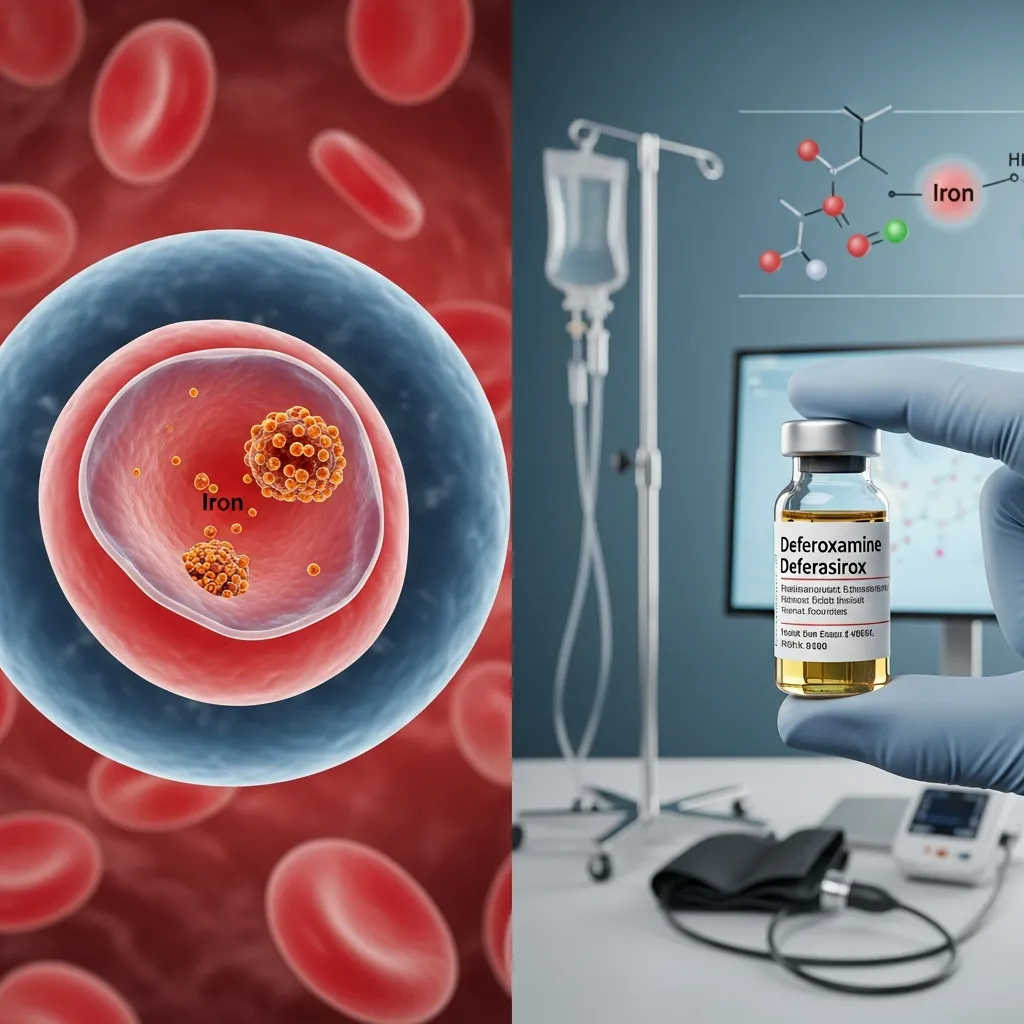 For individuals with moderate to severe thalassemia, frequent blood transfusions are a life-saving necessity. These transfusions replenish healthy red blood cells, allowing for normal growth and improved energy. However, the human body lacks a natural mechanism to eliminate the excess iron introduced by donor blood. Over time, this iron accumulates in vital organs like the heart, liver, and endocrine glands, posing serious health risks.
Chelation therapy is the medical solution to iron overload. This treatment involves taking specific medications that bind to the excess iron, allowing your body to excrete it through urine or stool. Chelation drugs are available in oral forms or via continuous subcutaneous infusion pumps. Adhering strictly to your chelation schedule is absolutely critical for preventing irreversible organ damage.
You can support this medical process through careful lifestyle choices. Limiting dietary iron intake and avoiding vitamin C supplements near meal times (as vitamin C enhances iron absorption) are practical steps. Keeping a daily log of your chelation doses and any side effects will help your healthcare team adjust your treatment plan effectively.
As part of a complete Thalassemia Self-Care approach, managing iron overload is not only about medication but also about consistent monitoring and discipline. Regular blood tests, such as serum ferritin levels and liver iron concentration scans, play a key role in tracking iron buildup. Staying informed about your condition and maintaining strict adherence to your chelation regimen ensures better long-term health outcomes. Integrating these habits into your Thalassemia Self-Care routine helps reduce complications and supports overall wellbeing.
The Importance of Regular Medical Check-ups and Monitoring
Consistent medical oversight ensures that your treatment plan remains aligned with your body’s changing needs. Routine check-ups with a specialized hematologist allow for the early detection of potential complications. These appointments typically occur every three to six months and involve comprehensive laboratory testing.
During these visits, your doctor will order a complete blood count (CBC) to check your hemoglobin levels and serum ferritin tests to monitor your total iron burden. Advanced imaging techniques, such as specialized MRI scans of the liver and heart, provide a detailed picture of iron deposition. Annual bone density scans are also highly recommended to catch early signs of osteoporosis.
Maintaining a well-organized personal health record makes these visits much more productive. Document your transfusion dates, medication adjustments, and any new physical symptoms. This organized approach empowers you to ask informed questions and actively participate in medical decisions.
Regular monitoring is a key component of Thalassemia Self-Care, helping patients stay proactive about their health. By keeping track of test results and symptoms, individuals can better understand their condition and respond early to any changes. Integrating routine check-ups into your Thalassemia Self-Care plan ensures timely treatment adjustments and reduces the risk of long-term complications, ultimately supporting better overall health outcomes.
Exercise and Physical Activity Guidelines for Thalassemia
Movement is a powerful tool for enhancing cardiovascular fitness, building bone density, and boosting your mood. A common misconception is that chronic anemia makes exercise impossible. While high-intensity workouts might be off the table, a tailored exercise routine is highly beneficial.
Low-impact aerobic activities are generally the safest and most effective choices. Swimming, brisk walking, and stationary cycling improve circulation and stamina without placing excessive stress on your joints or heart. Aim for moderate activity a few times a week, always prioritizing consistency over intensity.
Strength training with light weights or resistance bands helps maintain muscle mass. Incorporating flexibility exercises like yoga or Pilates can improve posture and alleviate joint stiffness. Always listen to your body and schedule rest days when fatigue sets in. Staying hydrated before, during, and after workouts is also essential for maintaining optimal blood volume.
As part of a balanced Thalassemia Self-Care routine, regular physical activity plays an important role in maintaining overall health. It helps improve energy levels, supports heart function, and enhances emotional wellbeing. When included consistently in your Thalassemia Self-Care plan, exercise contributes to better stamina and a more active, fulfilling lifestyle while helping manage symptoms more effectively.
Mental and Emotional Well-being: Coping with Thalassemia
Managing a chronic condition requires immense psychological resilience. The physical demands of the illness, combined with frequent medical appointments, can easily lead to stress, anxiety, or emotional exhaustion. Acknowledging these feelings is the first step toward better mental health.
Incorporating relaxation techniques into your daily schedule provides a valuable buffer against stress. Deep breathing exercises, progressive muscle relaxation, and mindfulness meditation can calm your nervous system and improve your focus. Many people find that dedicating just ten minutes a day to these practices yields significant emotional benefits.
Creative outlets also offer a healthy way to process complex emotions. Journaling, painting, or playing music can serve as therapeutic escapes. Do not hesitate to seek professional counseling if you feel overwhelmed. A therapist experienced in chronic illness can equip you with practical coping mechanisms tailored to your specific situation.
Building strong mental resilience is also a key part of Thalassemia Self-Care, as emotional wellbeing directly impacts physical health outcomes. Patients who actively manage stress and anxiety often experience better treatment adherence and improved energy levels. Incorporating supportive relationships, peer groups, and open communication with family members further strengthens your Thalassemia Self-Care routine, helping you feel more supported and less isolated throughout your journey.
Building a Strong Support System
 No one should manage a complex health condition entirely alone. Cultivating a reliable support network provides practical assistance and deep emotional comfort. Your primary circle usually consists of family members and close friends. Educating them about your condition allows them to understand your energy limitations and offer appropriate help when you need it most.
Connecting with the broader thalassemia community is equally important. Peer support groups offer a unique kind of empathy that only comes from shared experiences. Engaging with these communities provides access to practical tips and emotional solidarity. For trusted resources, community programs, and global updates, you can explore information provided by the Centers for Disease Control and Prevention (CDC).
Online forums and patient advocacy organizations host webinars and local events. Participating in these spaces reduces feelings of isolation. You can also find global health standards and broad advocacy initiatives through the World Health Organization (WHO), which consistently monitors the global impact of genetic blood disorders.
Thalassemia Self-Care in Daily Life: Practical Tips
Integrating wellness strategies into your day-to-day life does not have to be complicated. Small, consistent habits compound over time to create substantial health improvements.
Start by prioritizing sleep hygiene. Quality rest is vital for cellular repair and cognitive function. Establish a calming bedtime routine, keep your sleeping environment cool and dark, and avoid screens for at least an hour before bed. Aim for seven to nine hours of uninterrupted sleep each night.
Infection prevention is another crucial daily habit. Because thalassemia and its treatments can compromise your immune system, diligent handwashing is non-negotiable. Stay up to date on all recommended vaccinations, including annual flu shots and pneumococcal vaccines. Avoid crowded, enclosed spaces during peak cold and flu seasons to minimize your exposure to pathogens.
These daily habits are an essential part of effective Thalassemia Self-Care, helping patients maintain stability, reduce complications, and support long-term wellbeing. When consistently followed, Thalassemia Self-Care routines can significantly improve energy levels and overall quality of life.
Future Directions in Thalassemia Treatment and Self-Care
The medical landscape for treating genetic blood disorders is advancing rapidly. Researchers are continually developing more effective and less intrusive therapies, offering new hope for patients worldwide.
Gene therapy represents one of the most exciting frontiers in medical science. By correcting the defective genes responsible for abnormal hemoglobin, these therapies have the potential to significantly reduce or eliminate the need for lifelong blood transfusions. While still evolving, clinical trials have shown highly promising results for certain patients.
Additionally, advancements in iron chelation are making medications easier to tolerate, improving adherence and quality of life. As these medical breakthroughs become more widely available, Thalassemia Self-Care routines will continue to evolve alongside modern treatment options. Staying informed about emerging research allows patients to integrate new knowledge into their Thalassemia Self-Care practices and discuss innovative options with their hematologist proactively.
Empowering Your Thalassemia Self-Care Journey
 Living well with a genetic blood disorder is entirely possible when you blend expert medical treatment with intentional daily habits. By mastering your nutritional intake, adhering strictly to chelation protocols, and staying active within your physical limits, you build a resilient foundation for your health.
Remember that mental and emotional well-being are just as critical as physical stability. Lean on your support networks, advocate for yourself during medical visits, and celebrate the small victories along the way. Every positive choice you make reinforces your ability to manage this condition effectively.
For further insights on building a thriving, balanced lifestyle, check out Your Ultimate Guide to Living Well with Thalassemia. Keep taking proactive steps, stay informed, and continue embracing a life defined by wellness and vitality.
Conclusion
Thalassemia Self-Care plays a vital role in managing the condition alongside medical treatment. By maintaining healthy habits, emotional balance, and consistent routines, patients can improve their quality of life and reduce complications. With ongoing medical advances, combining treatment with strong Thalassemia Self-Care helps ensure a healthier and more fulfilling future.
FAQs
1. What is Thalassemia Self-Care?
Thalassemia Self-Care refers to daily habits and lifestyle practices that support medical treatment.
It includes nutrition, exercise, mental health care, and regular monitoring.
It helps improve overall quality of life for patients.
2. Why is self-care important for thalassemia patients?
It helps reduce complications and manage symptoms more effectively.
Self-care supports better energy levels and emotional wellbeing.
It works alongside medical treatment for better outcomes.
3. What foods are good for thalassemia self-care?
A balanced diet with fruits, vegetables, and protein-rich foods is recommended.
Patients should avoid excess iron-rich foods unless advised by a doctor.
Proper nutrition supports healthy blood and energy levels.
4. Can exercise help with thalassemia?
Yes, light exercise like walking, yoga, or swimming is beneficial.
It improves stamina, mood, and heart health.
Exercise should always match the patient’s energy level.
5. How important is mental health in thalassemia self-care?
Mental health is very important in managing chronic illness.
Stress management improves overall physical health.
Counseling and support groups can be very helpful.
6. What role does sleep play in self-care?
Good sleep helps the body recover and maintain energy.
It supports immune function and mental clarity.
Poor sleep can worsen fatigue and symptoms.
7. How can patients prevent infections?
Regular handwashing and vaccinations are essential.
Avoiding crowded places during illness outbreaks helps reduce risk.
Good hygiene is a key part of Thalassemia Self-Care.
8. Is Thalassemia Self-Care enough without treatment?
No, it works alongside medical treatments, not instead of them.
Patients still need transfusions or medications when prescribed.
Self-care enhances treatment effectiveness.
9. How does stress affect thalassemia?
Stress can increase fatigue and weaken the immune system.
It may also affect treatment adherence.
Managing stress improves overall health outcomes.
10. Can Thalassemia Self-Care improve quality of life?
Yes, it helps patients feel more energetic and balanced.
It reduces complications and improves daily functioning.
It leads to a more active and positive lifestyle.