

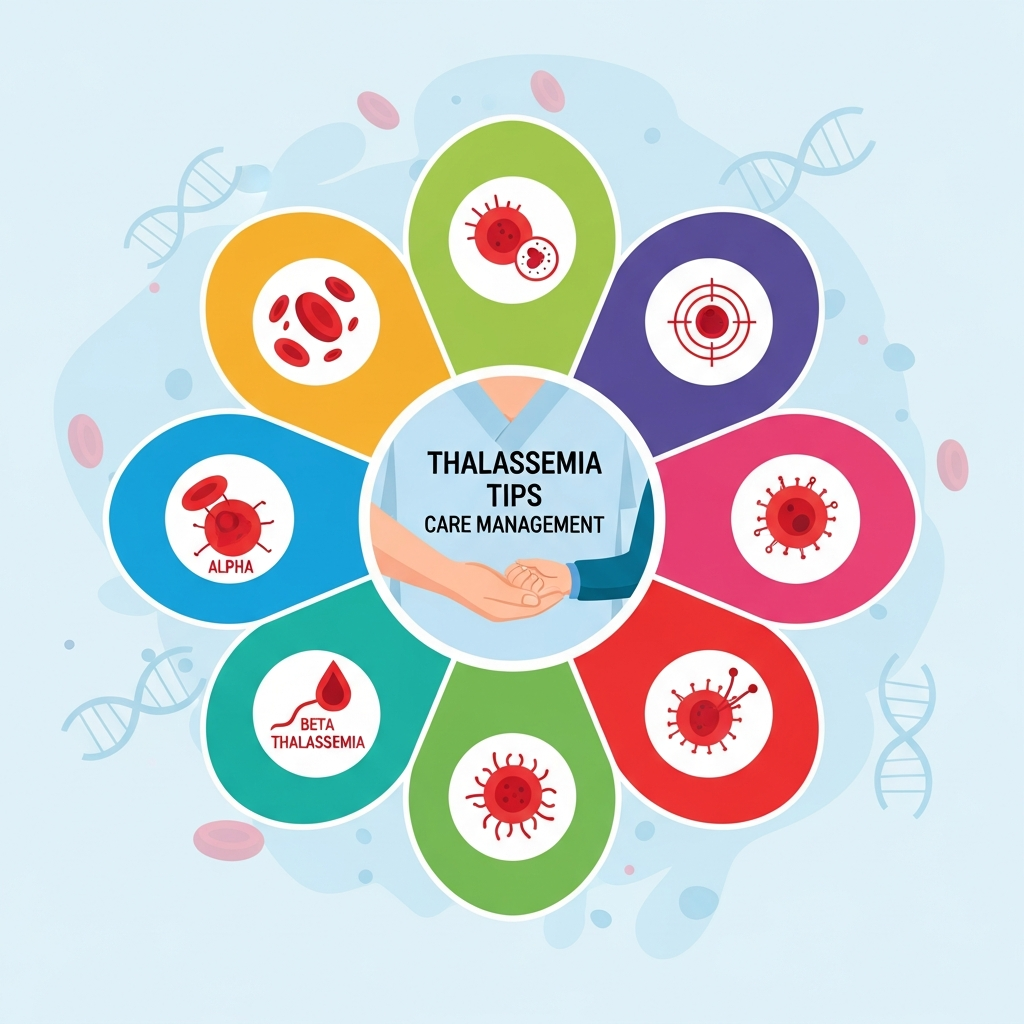
 Understanding disease type is a key step in thalassemia tips care management, as treatment approaches vary significantly based on severity.
Medical Monitoring and Treatment Strategies
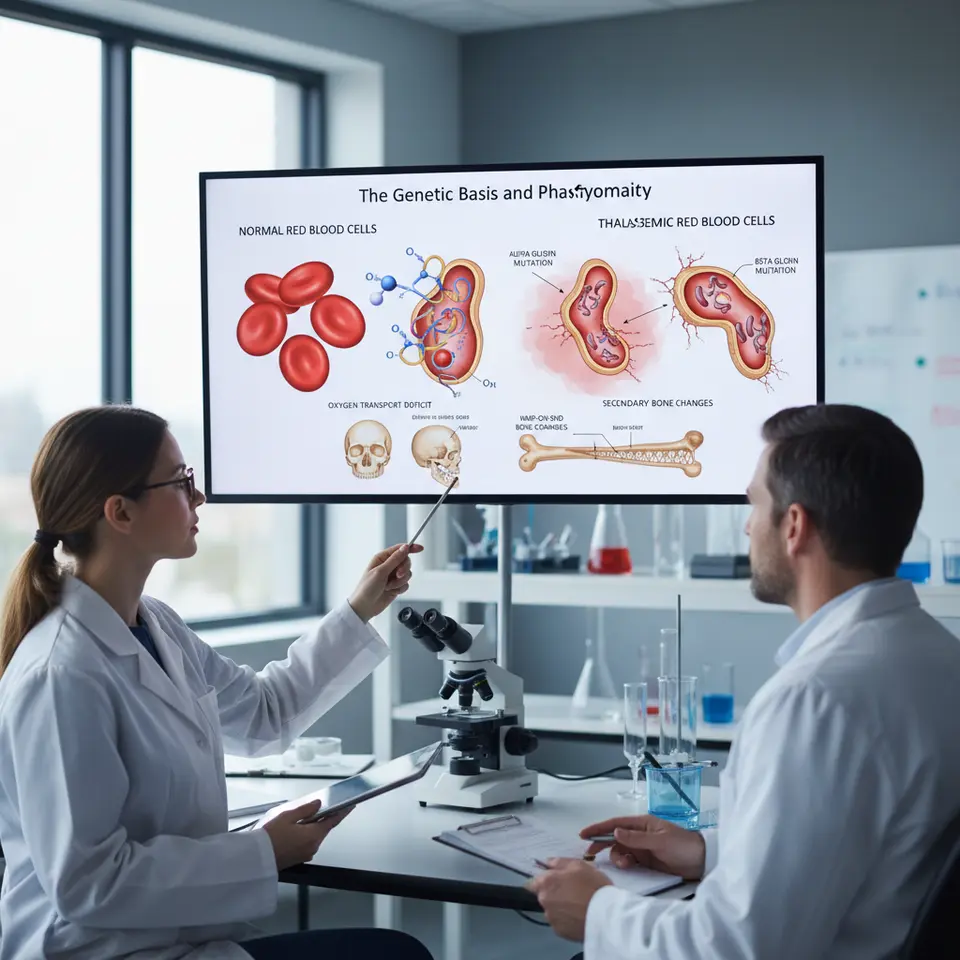 Accurate and timely diagnosis is a cornerstone of effective thalassemia tips care management, as it helps determine disease severity, guide treatment decisions, and prevent long-term complications. A structured diagnostic approach combines blood tests, hemoglobin analysis, and genetic evaluation to ensure precise classification of the disorder.
Step-by-Step Diagnostic Approach in Thalassemia Tips Care Management
A systematic diagnostic process in thalassemia tips care management ensures early detection and accurate disease classification, which is essential for effective treatment planning.
- Complete Blood Count (CBC): Evaluates hemoglobin level, red blood cell size (MCV), and overall anemia severity
- Reticulocyte Count: Assesses bone marrow response and red blood cell production activity
- Iron Studies: Differentiates thalassemia from iron deficiency anemia for correct diagnosis
- Hemoglobin Electrophoresis / HPLC: Identifies abnormal hemoglobin types such as HbA, HbA2, and HbF patterns
- Genetic Testing: Confirms specific mutations in alpha or beta globin genes for precise diagnosis
Importance in Thalassemia Tips Care Management
Each diagnostic step plays a vital role in strengthening thalassemia tips care management by improving accuracy and guiding long-term care decisions.
- Enables early and precise diagnosis before complications develop
- Helps classify disease severity for personalized treatment plans
- Guides appropriate transfusion and medication strategies
- Supports genetic counseling and family screening programs
Regular follow-ups are essential in thalassemia tips care management to track disease progression, monitor iron overload, and detect early signs of organ dysfunction or treatment-related side effects.
Core Treatment Modalities in Thalassemia Tips Care Management
Effective thalassemia tips care management focuses on controlling anemia, preventing complications, and improving long-term quality of life through a combination of medical interventions and continuous monitoring.
Blood Transfusion Therapy in Thalassemia Tips Care Management
Regular blood transfusions form the foundation of care in thalassemia tips care management, especially for patients with moderate to severe disease.
Key Objectives:
- Maintain safe and stable hemoglobin levels for normal body function
- Improve oxygen delivery to tissues and organs for better energy levels
- Reduce fatigue, weakness, and growth delays in children
- Support overall physical development and daily activity tolerance
Clinical Notes:
- Transfusions are typically required every 3–4 weeks in severe cases
- Blood must be carefully matched to minimize immune reactions
- Continuous monitoring of hemoglobin levels ensures treatment effectiveness
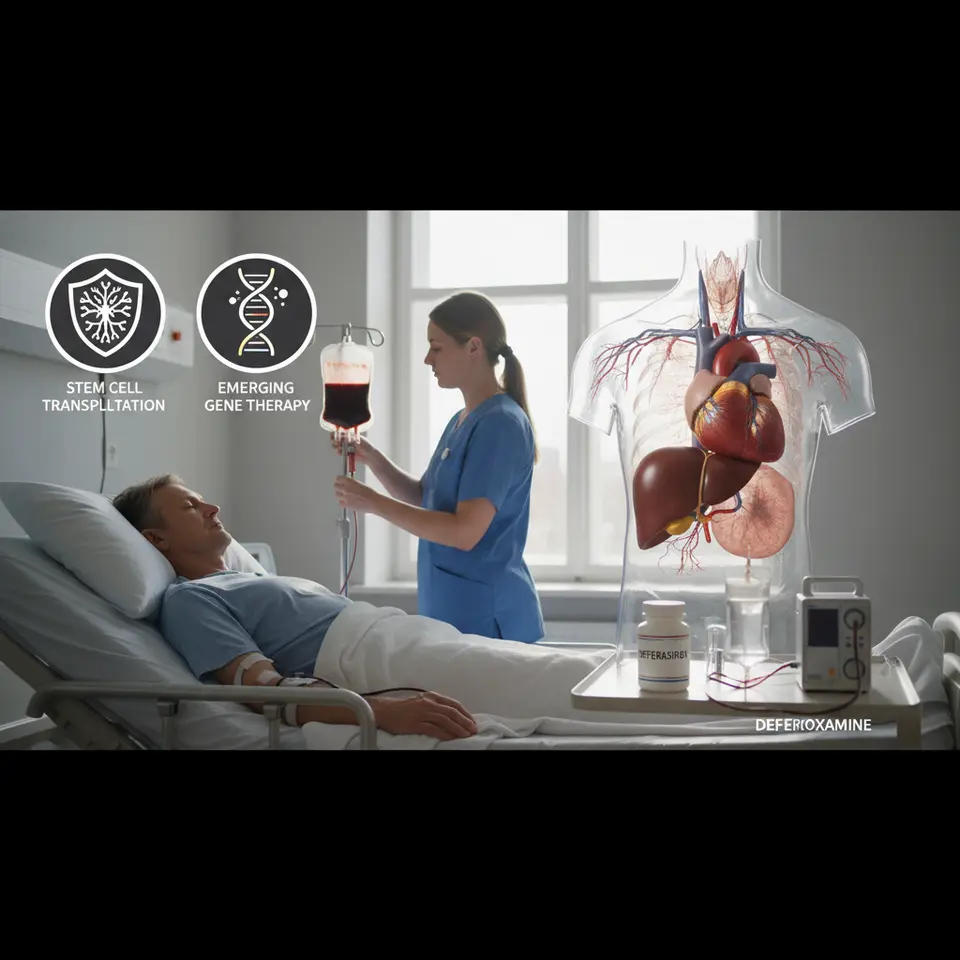
Iron Chelation Therapy in Thalassemia Tips Care Management
Repeated transfusions lead to iron overload, making chelation therapy a crucial part of thalassemia tips care management.
Common Chelation Drugs:
- Deferasirox (oral medication)
- Deferoxamine (injectable infusion therapy)
- Deferiprone (oral medication)
Monitoring Strategy:
- Regular serum ferritin testing to assess iron levels
- MRI scans to monitor iron deposition in the liver and heart
- Dose adjustments based on individual iron burden
Key Benefit:
Iron chelation therapy helps prevent long-term damage to vital organs such as the heart, liver, and endocrine system, improving survival and quality of life.
Stem Cell Transplant and Emerging Therapies in Thalassemia Tips Care Management
Advanced medical innovations are transforming the future of thalassemia tips care management, offering potential curative options.
Treatment Options:
Hematopoietic Stem Cell Transplant (HSCT):
- Currently the only established curative treatment option
- Most effective in younger patients with matched sibling donors
- Requires specialized medical centers and careful post-transplant care
Gene Therapy Approaches:
- Designed to correct defective globin gene function at the source
- Offers potential for long-term or permanent disease correction
- Currently under continuous clinical development and research
Nutrition and Lifestyle for Enhanced Well-Being
Key Dietary Principles
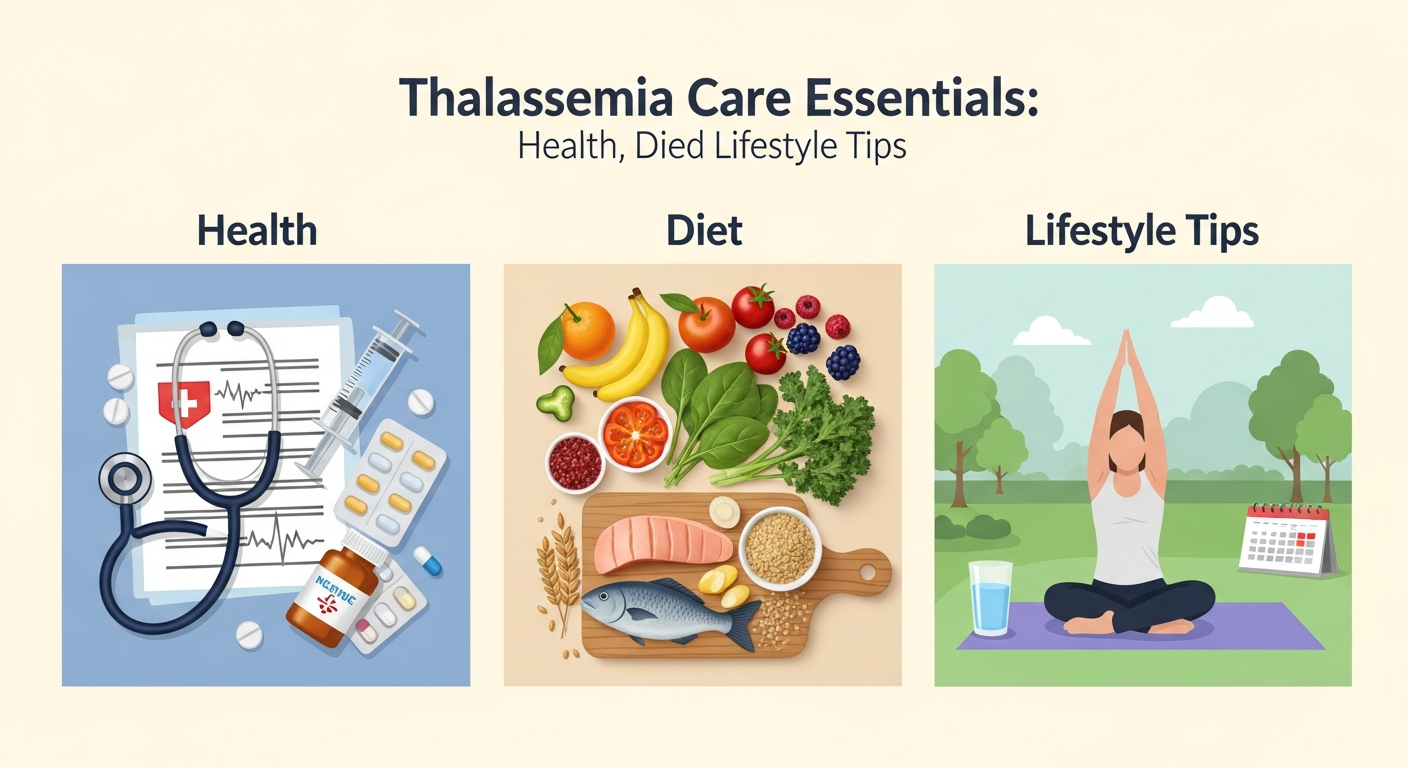
A balanced diet plays a pivotal role in supporting red blood cell production and maintaining strength. Prioritize high-quality protein sources—lean meats, poultry, fish, eggs, and legumes—to supply amino acids essential for hemoglobin synthesis. Leafy green vegetables, such as spinach and kale, are rich in folate, a vitamin critical for red blood cell formation. Incorporate vitamin C–rich fruits like oranges and strawberries to boost dietary iron absorption, while limiting iron-fortified cereals and red meats if you face iron overload challenges.
Supplements, Hydration, and Rest
Folic acid supplements are routinely recommended to assist erythropoiesis, and your doctor may advise additional B-vitamins or vitamin D if deficiencies are detected. Adequate hydration is also vital for blood volume and circulation; aim for 8 to 10 glasses of water daily. Rest periods are equally important—quality sleep rejuvenates the body and helps combat chronic fatigue. Structured rest and sleep hygiene practices, such as maintaining consistent bedtimes and creating a calm sleep environment, support overall health in today’s busy world.
Emotional Support and Psychological Health
 Strong emotional well-being is a core part of effective thalassemia tips care management, because living with a chronic lifelong condition can create ongoing emotional pressure, anxiety, and fatigue that directly affects both mental health and treatment adherence over time.
